
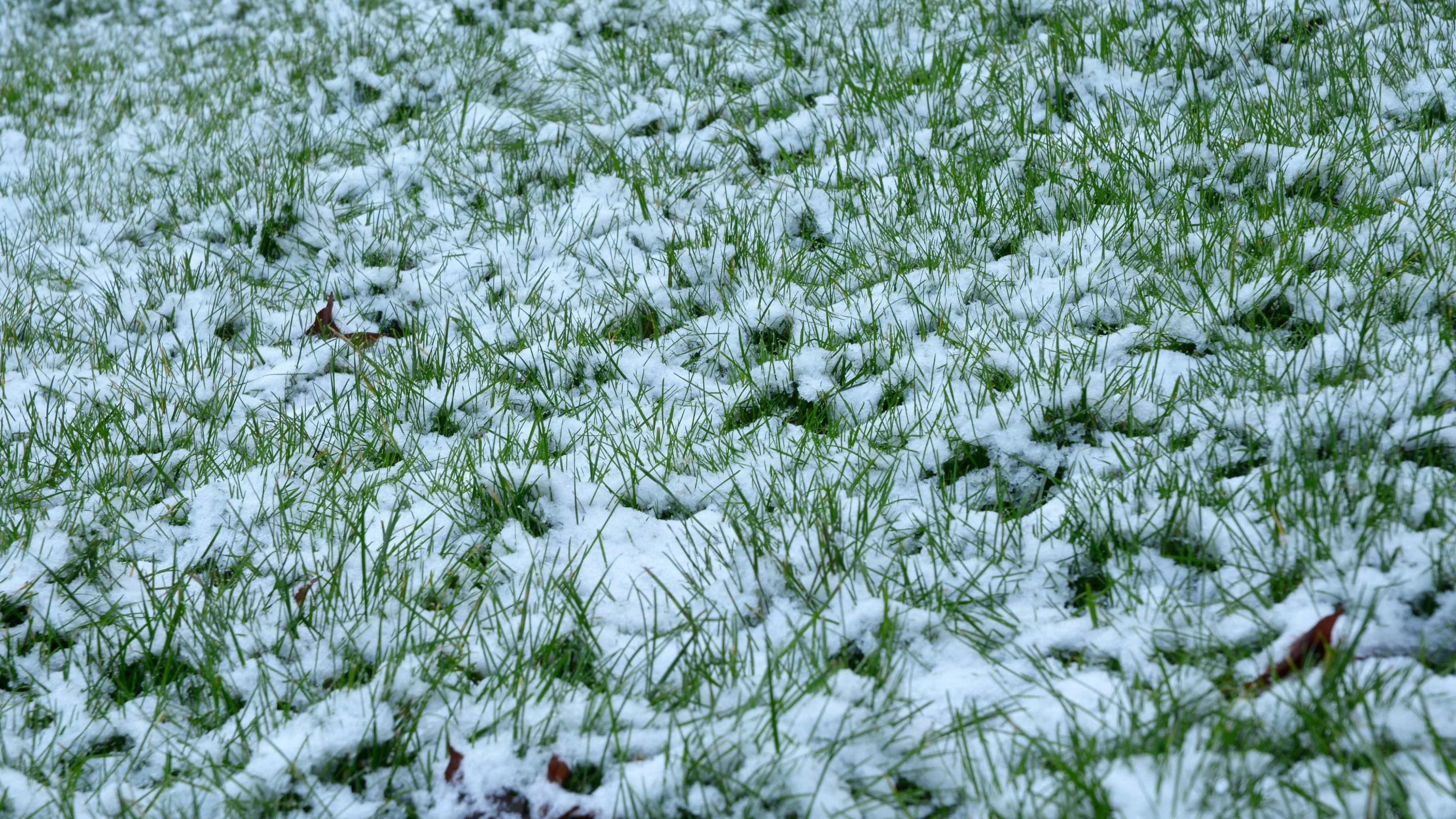
As winter settles in and temperatures drop, your lawn enters a period of dormancy. While it might seem like there’s little to do, winter lawn care is just as important as in the more active seasons.
Proper maintenance in the winter period will reduce compaction, prevent disease, and prepare your grass for a strong, healthy start in spring.
Lawn care in the winter is still essential in preventing your lawn from being overrun by moss or remedying winter grass diseases before they cause lasting damage to your lawn.
This guide will give you the best winter lawn care tips to ensure that your lawn is looked after throughout the colder season. Let TopGrass run you through the best methods of lawn care for the winter period!
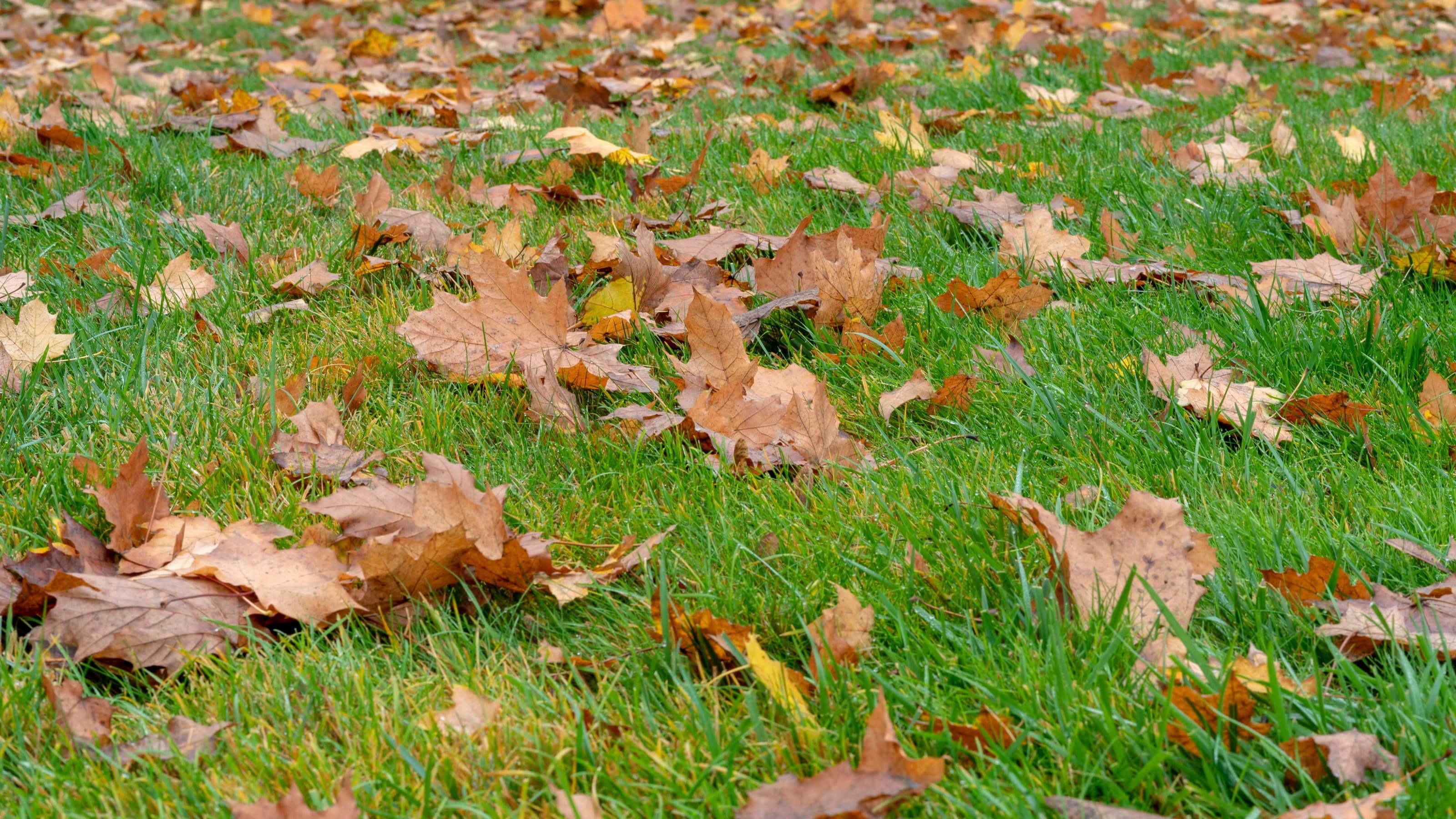
Fallen leaves may look picturesque, but if left to sit on your lawn, they can block sunlight and moisture from reaching the grass root zone and create the perfect environment for pests, moss, and disease to thrive.
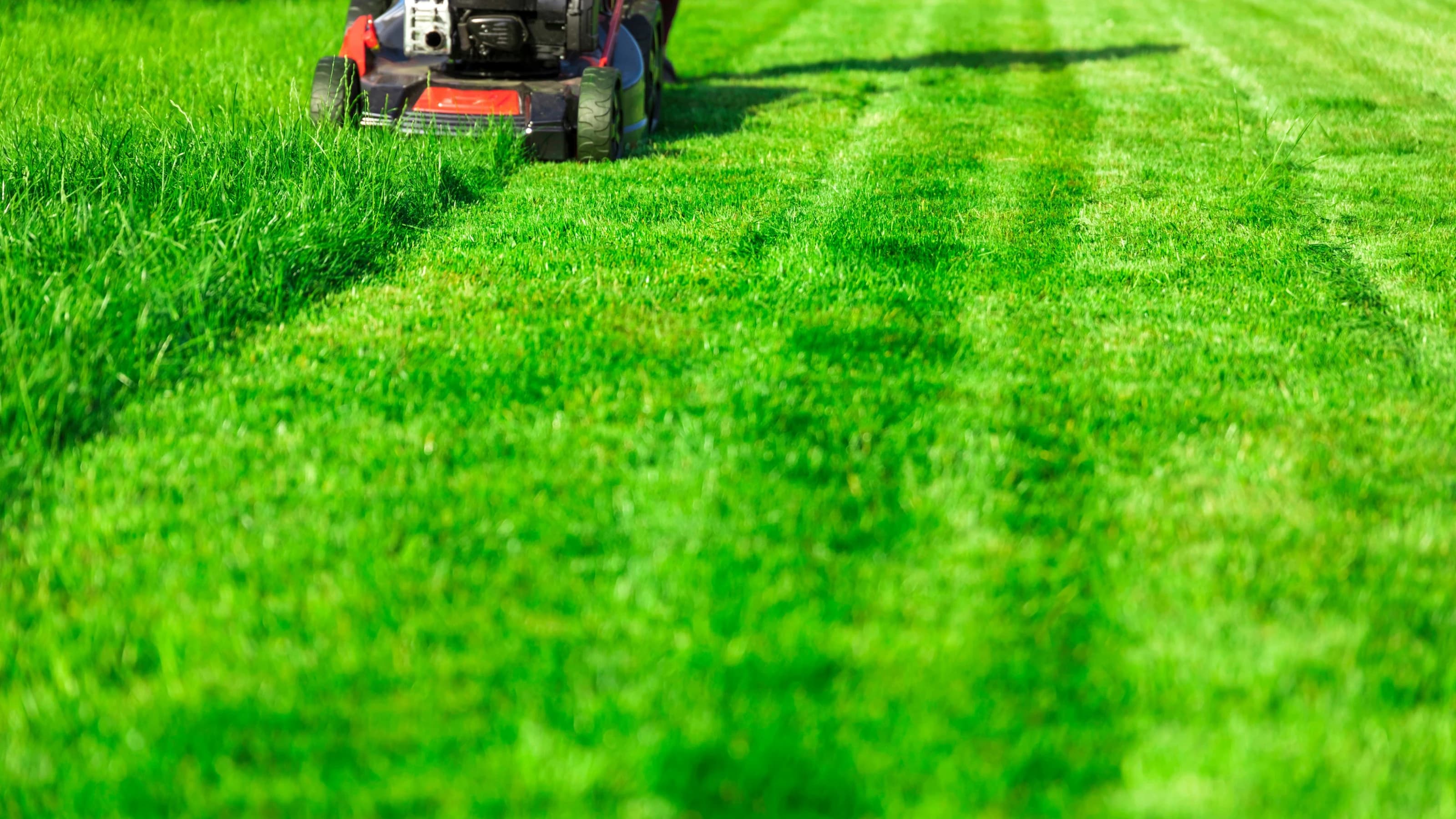
Grass growth slows dramatically in winter, especially when temperatures fall below 5°C. However, in milder periods, you may notice some continued growth. This may require you to continue mowing throughout the winter period if the conditions are right.

Feeding your lawn in winter can help keep the grass resilient and prepare it for spring recovery. A winter lawn fertiliser should contain low nitrogen and higher levels of potassium to support root strength and disease resistance.
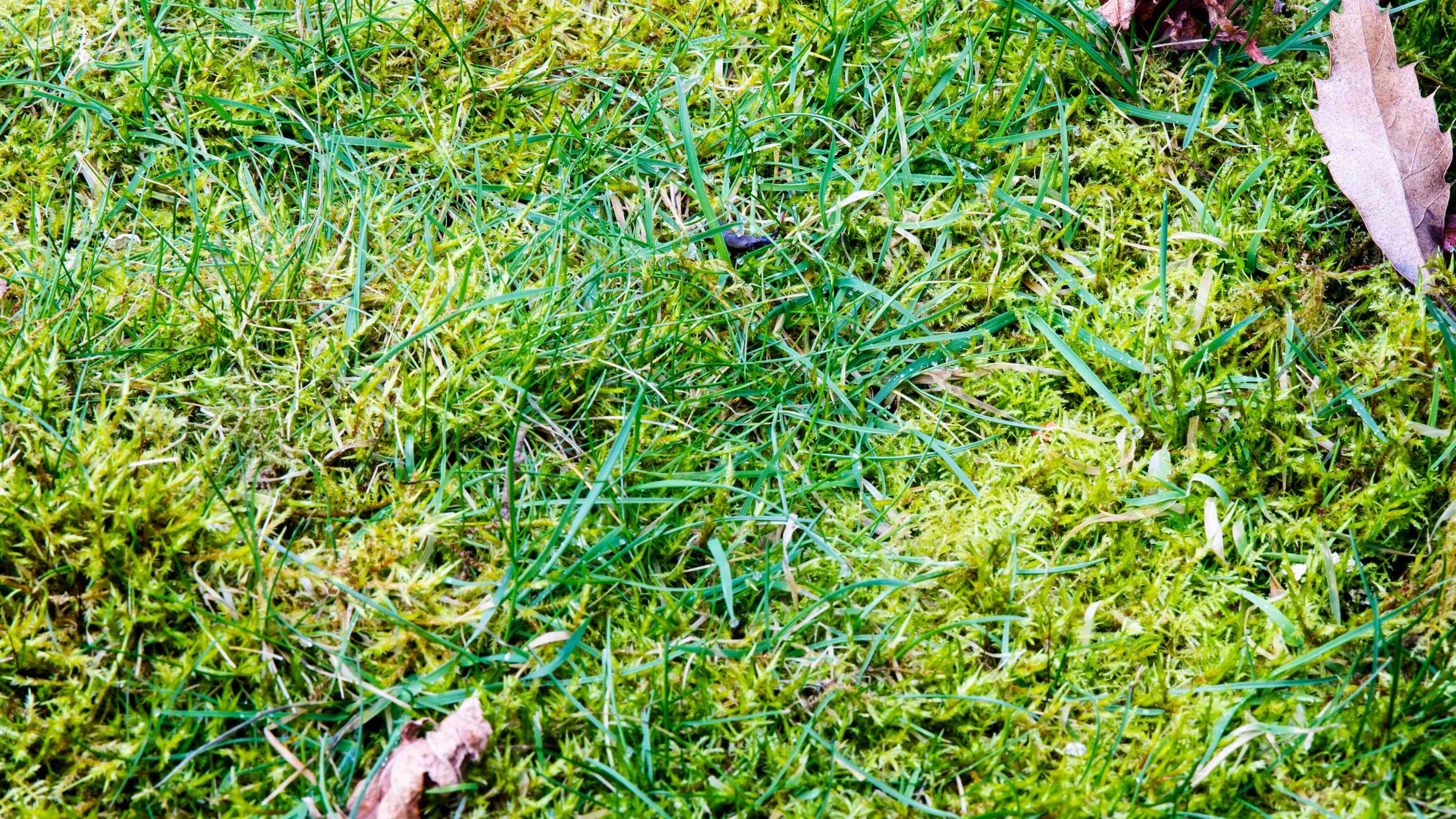
During the winter period, you may notice your lawn developing a carpet of moss. This is because the conditions in winter are perfect for moss to thrive in. Moss flourishes in damp and shady conditions, which winter provides with increased rainfall and lack of sunlight. If you do not want moss to run rampant in your lawn, you will need to take measures to keep on top of it.
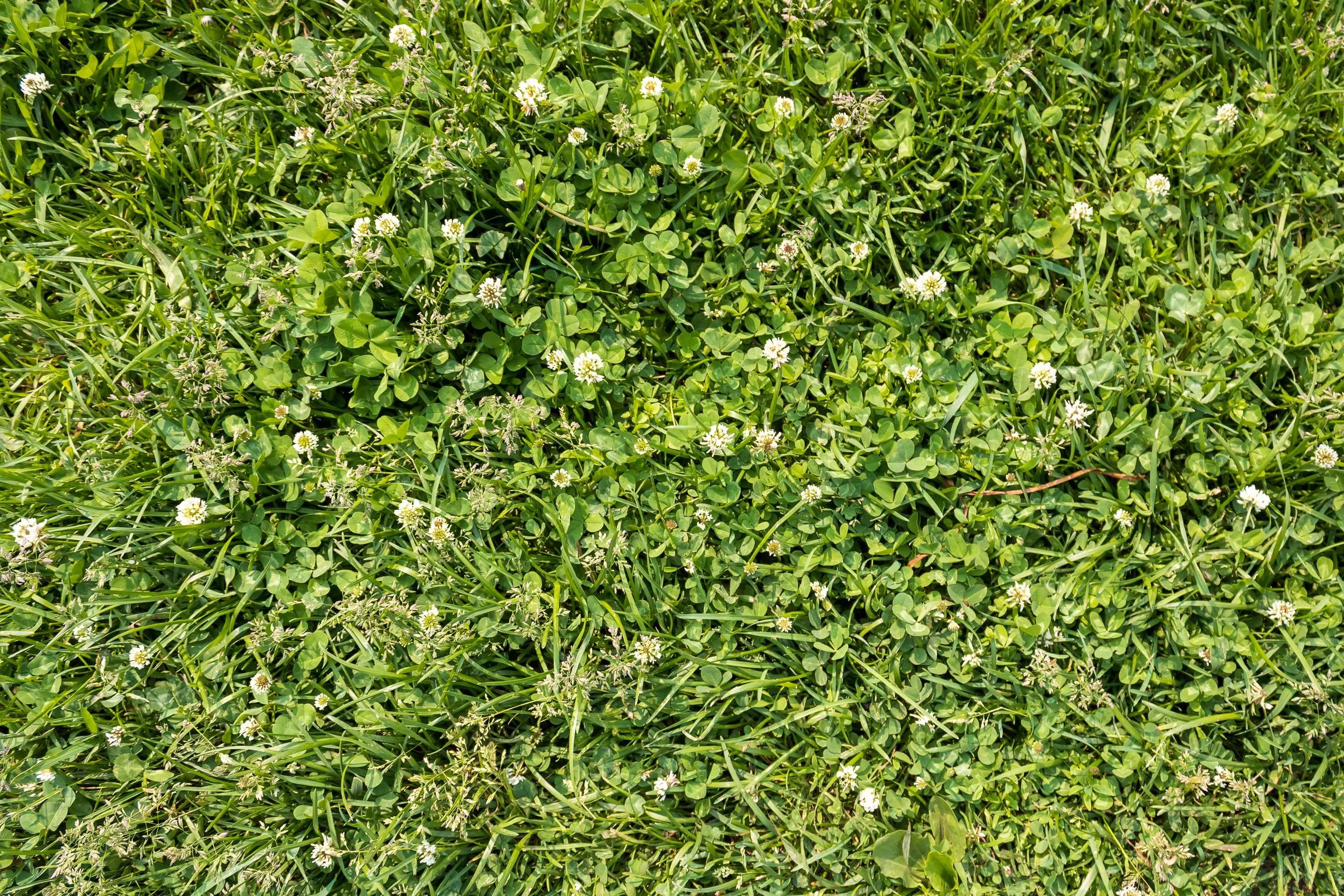
Although most lawn weeds slow down in winter, some hardy species may persist.
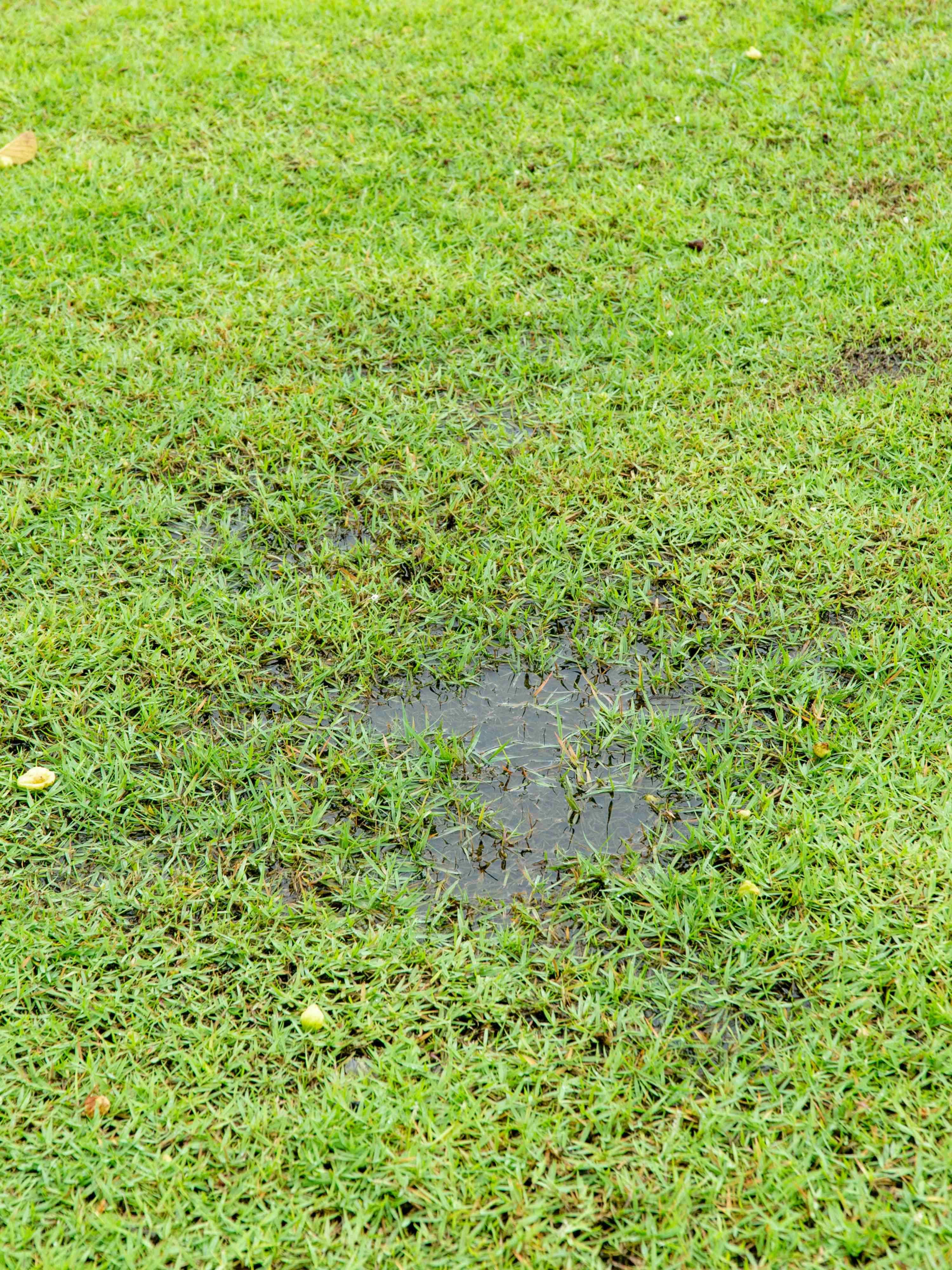
Heavy winter rain and lack of sunlight can lead to soggy, compacted lawns. Aeration helps improve drainage and allows oxygen to reach the roots.
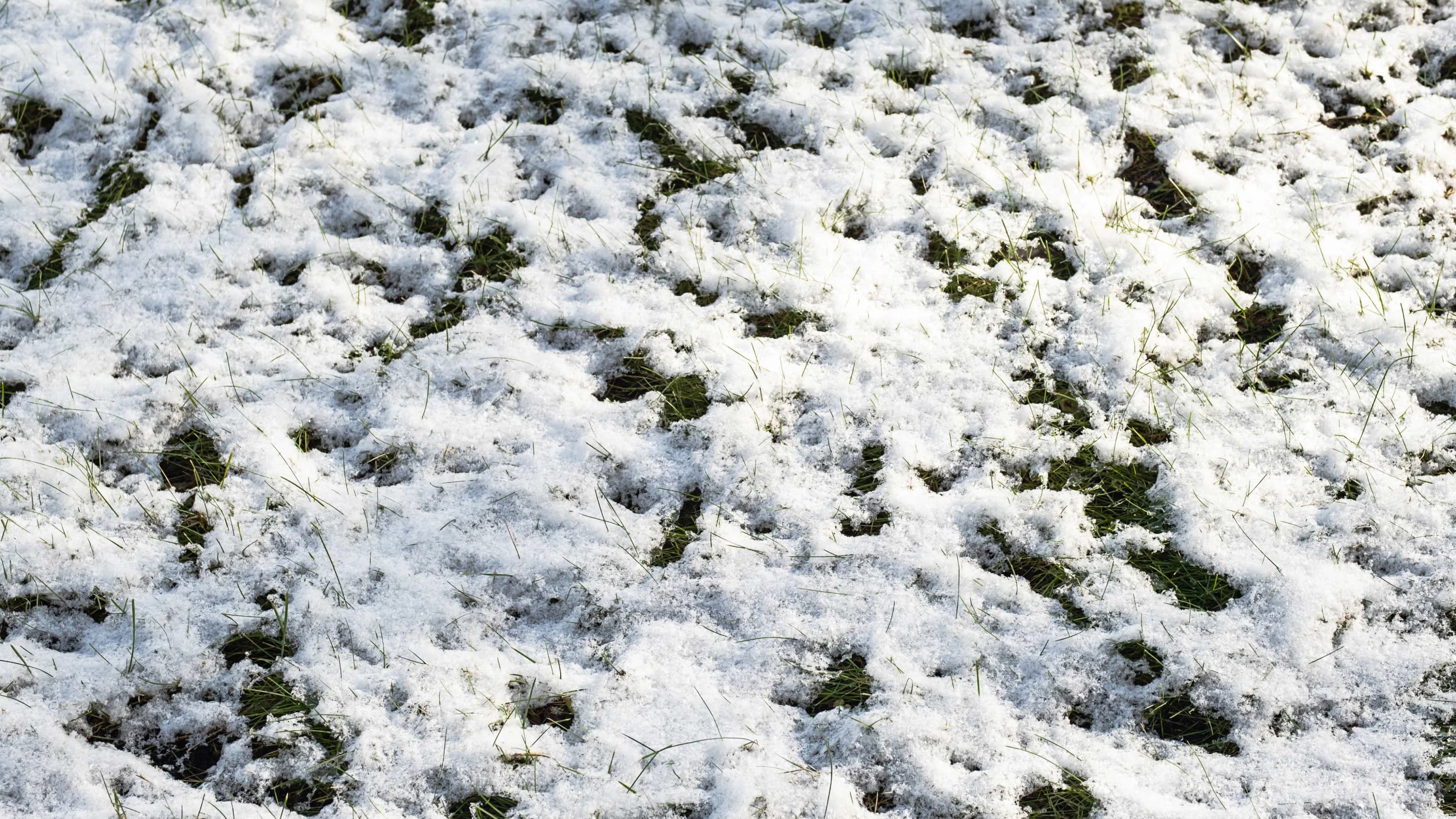
Protecting your grass through the winter months is essential, especially when it’s more vulnerable to damage.
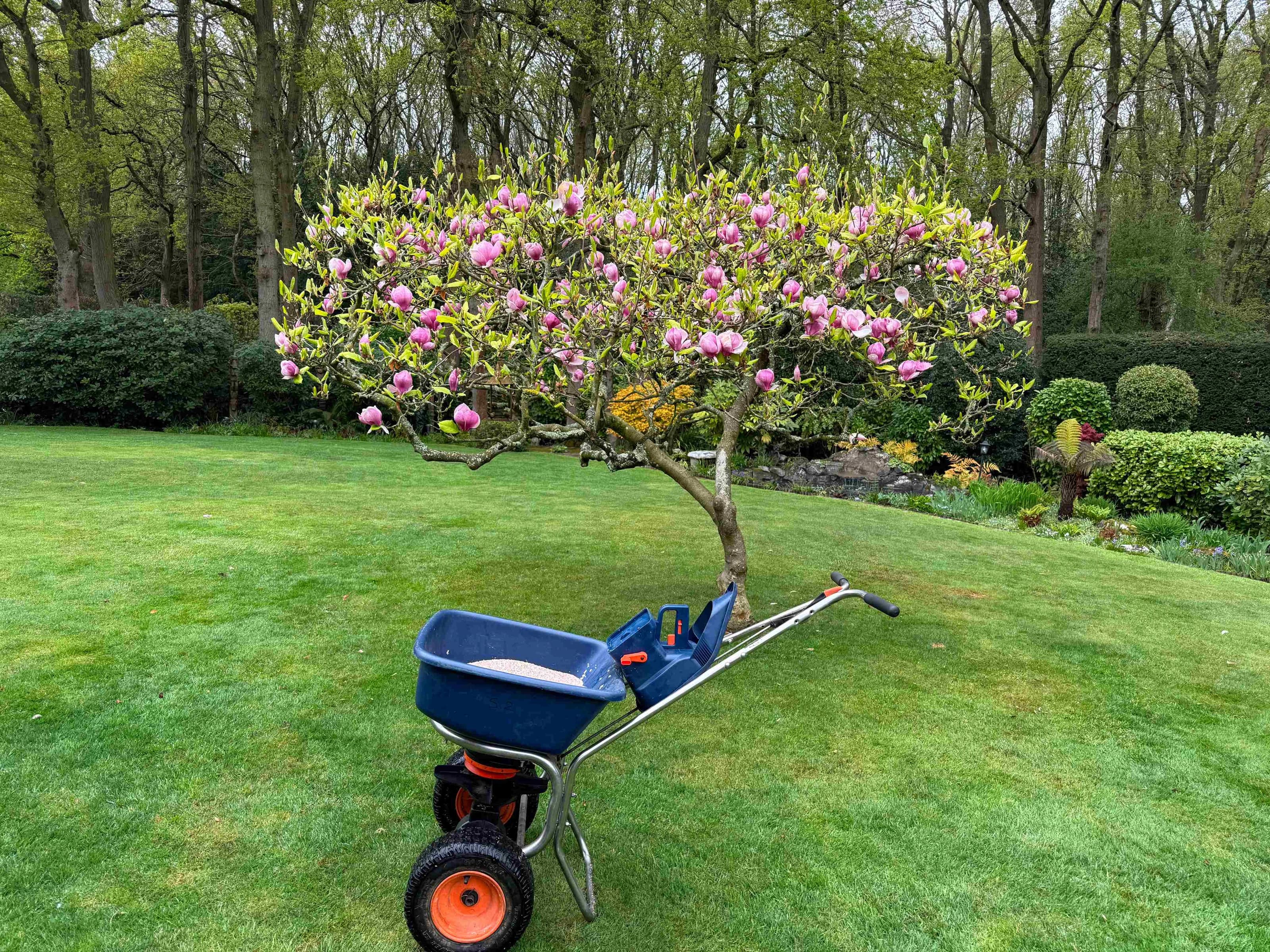
Winter is the ideal time to start planning ahead for your spring lawn care routine.
Whether you’re concerned about lawn moss, winter compaction, or want to get ahead for spring, our expert team is here to help.
Yes, winter lawn care is very important in ensuring the health of your lawn, and that it is ready to flourish in time for spring. Winter moss control, making sure to clear leaves from your lawn and fertilising your lawn are just some of the important jobs to maintain your lawn's health during the colder period.
The most common method of removing leaves from your lawn would be through using a trusted rake. However, there are many other options that can help with leaf clearance, such as leaf blowers, leaf vacuums or leaf mulchers. Leaf mulch can then be added to your flowerbeds to improve soil quality or as an autumn top dressing for your lawn.
No you should not walk on your lawn when it is frosty! Walking on grass when it has frozen can cause it to fracture and break, leaving behind damaging footprints on your lawn.
If we go through milder periods during the winter, with temperatures above 5°C, your lawn will continue to grow. On these occasions, you should give your lawn a mow on a high cut of 2-2.5 inches just to tidy it up.
Winter lawn diseases, like fusarium patch, can do real damage to your grass. To help strengthen your grass against such diseases, a dose of iron sulphate will help. Iron sulphate, which is applied on both our Late Season and End of Season Treatments, helps to harden the grass plant, making it less susceptible to disease.
This is your in-depth monthly guide to lawn care!

As we enter the later months of the year and temperatures begin to cool, autumn is the perfect time to focus on your lawn.
As temperatures start to rise, it’s the perfect time for spring lawn care in the UK. Whether you’re looking for affordable lawn care plans, tackling patchy areas, or investing in complete lawn treatment, spring is when your garden wakes up and needs your attention.