
At TopGrass we want to see your lawns in its best condition. Here are our easy tips for you to keep your lawn looking great all year round. The best time to mow your lawn, how to water your lawn and what to do about ant control in your lawn.
Ideally mowing should be carried out at 3-4 day intervals during the growing season, however this is often difficult to achieve and in most cases mowing weekly is more realistic. Mowing is one of the keys to having a lawn with dense growth. Every time you cut the grass, it encourages the plant to produce more shoots, so the more you cut, the thicker your lawn will be. During the spring and summer months the mowing height should be around 1” in good growing conditions.
However, during very dry conditions, raising the height to 1.5-2” will help the grass survive dry weather better as more leaf length helps to reduce stress and aid moisture retention by self shading.
Remember to keep the mower blades sharp for best results.
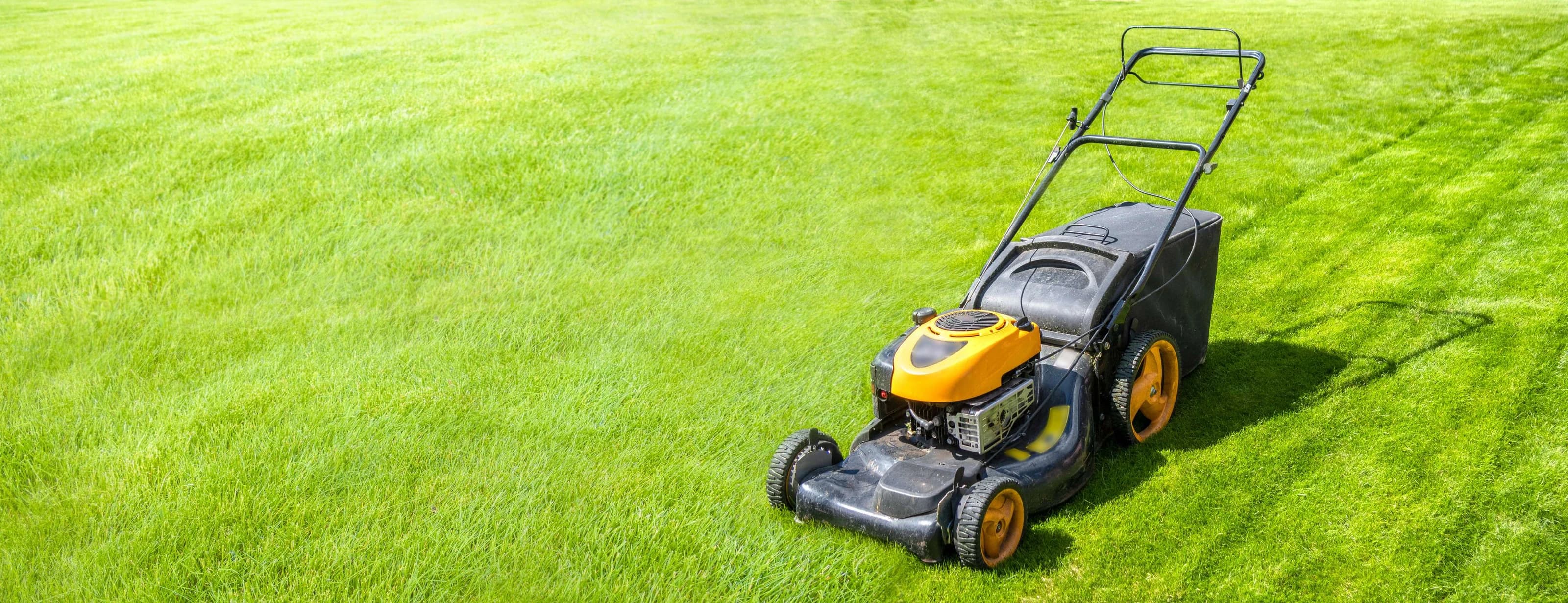
“When should I stop mowing?” is a question we get asked very often. Some lawn guides advocate stopping mowing between the end of October and the beginning of April, but with our variable seasons, we do not think that is the best approach. We advise mowing as long as the lawn is still growing and the soil is firm enough to support the mower without damaging the lawn. Set the mower at a higher than normal setting and try and cut in the afternoon when the lawn is at its driest.
In the spring, keep the mower at a high setting for the first cut and lower the setting to about 1” over the next few cuts. It’s a good idea to get your mower serviced and the blades sharpened over the winter.
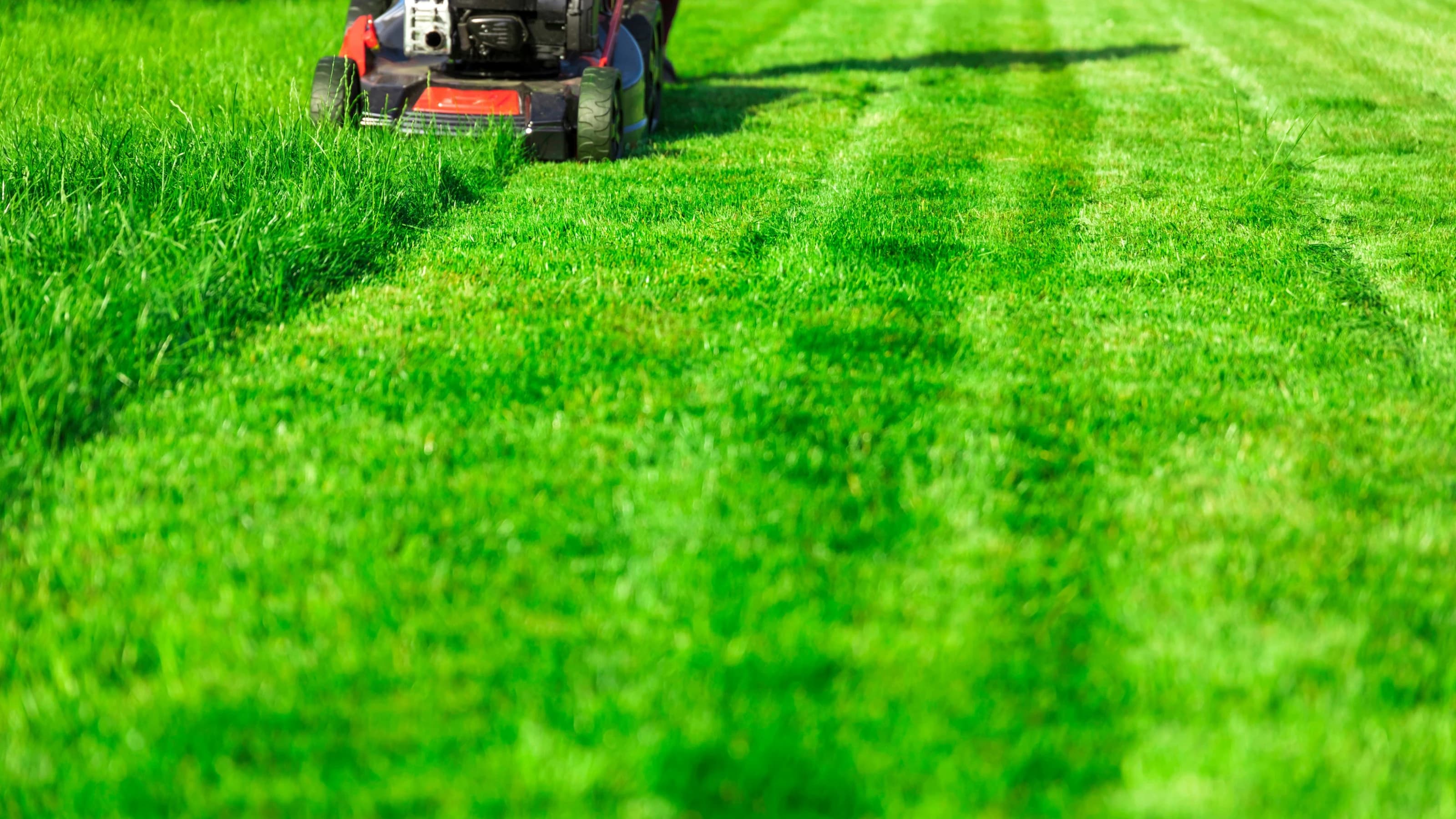
“When should I stop mowing?” is a question we get asked very often. Some lawn guides advocate stopping mowing between the end of October and the beginning of April, but with our variable seasons, we do not think that is the best approach. We advise mowing as long as the lawn is still growing and the soil is firm enough to support the mower without damaging the lawn. Set the mower at a higher than normal setting and try and cut in the afternoon when the lawn is at its driest.
In the spring, keep the mower at a high setting for the first cut and lower the setting to about 1” over the next few cuts. It’s a good idea to get your mower serviced and the blades sharpened over the winter.
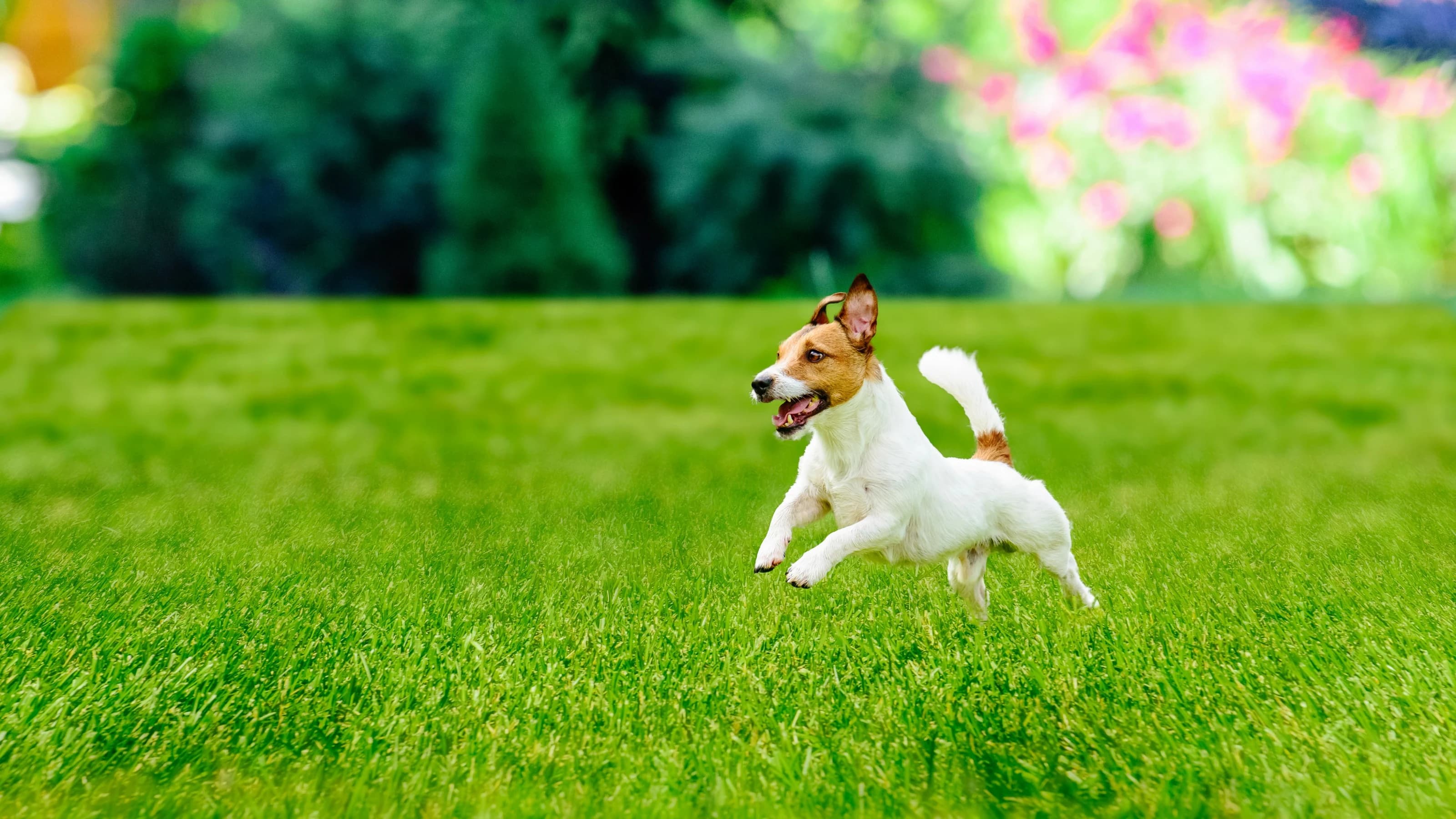
Dogs urinating on lawns will cause scorch effects to appear. The urine contains urea, which is high in nitrogen and up to a point is a good fertiliser, beyond that point it starts to kill the grass. If you can train your dog to go in small doses all over the lawn you can reduce the amount of fertiliser you need to apply! However, for most of us the best answer is to keep the dogs off the lawn or to flush the affected areas with water straight away.
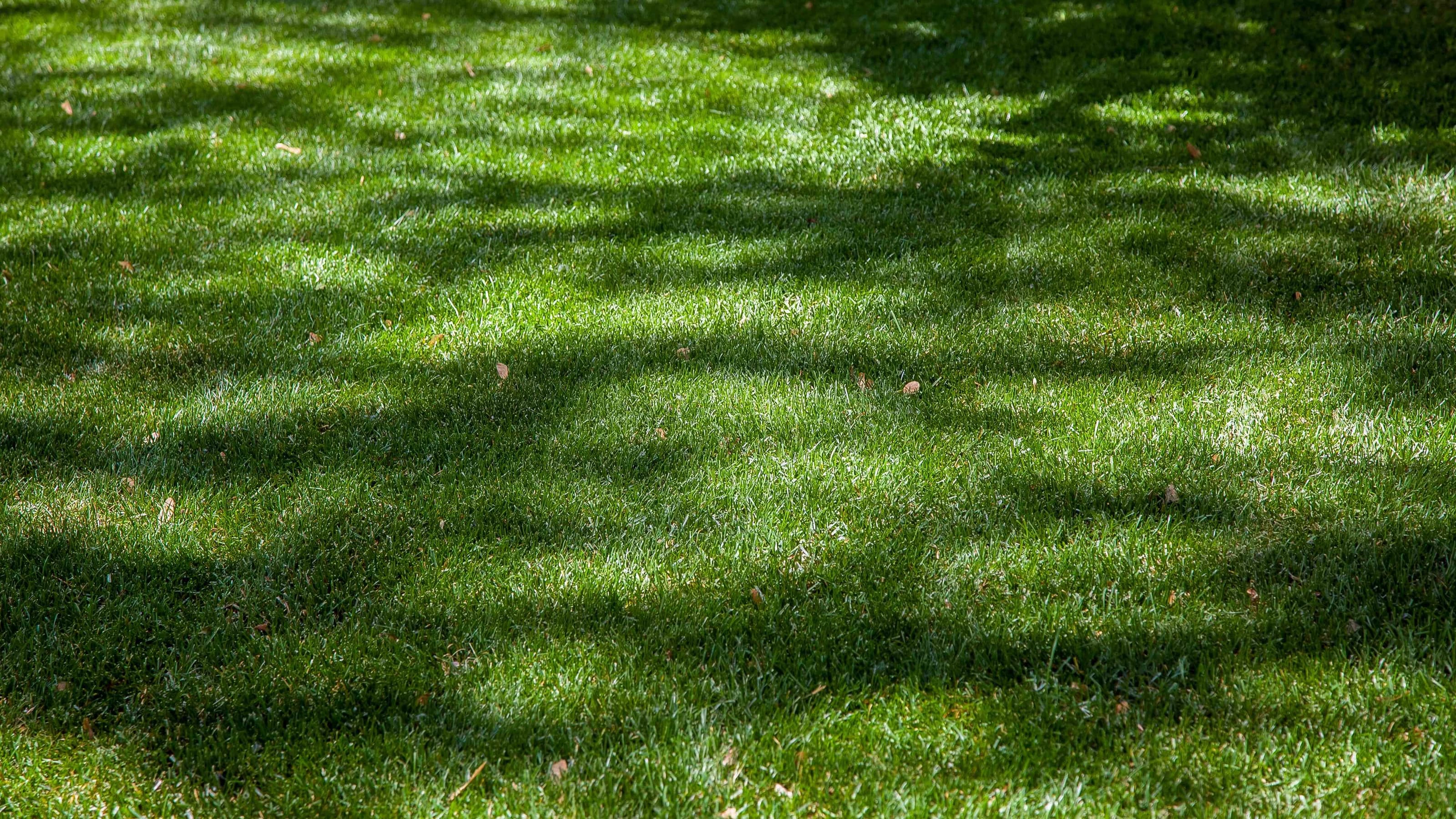
Shade will severely limit grass growth. The more you keep shrubs and trees trimmed back the better your lawn will like it. Also if you have play equipment or furniture on the lawn, you will need to move it every 2-3 days to avoid getting patches of poor growth.
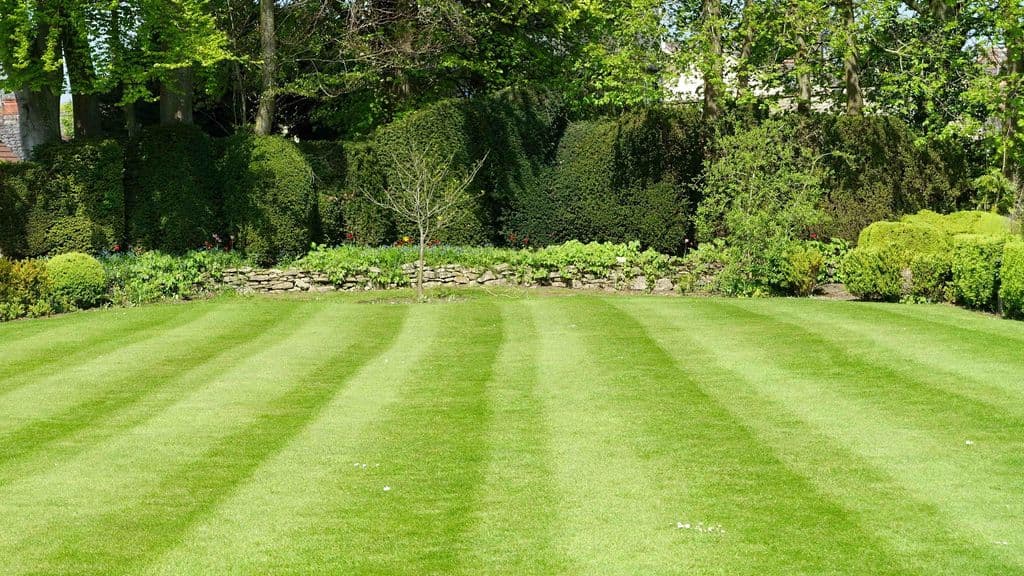
This is your TopGrass guide to why UK lawns need nitrogen in order to thrive!
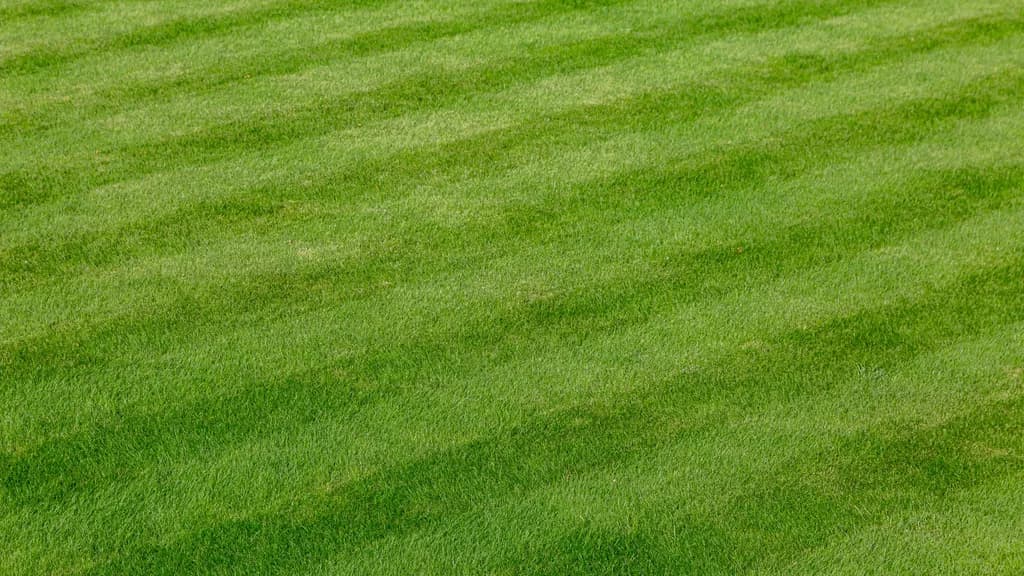
Here are TopGrass's top reasons why you should have your lawn professionally cared for!
We have provided here a handy guide on the differing weather conditions we experience here in the UK and how our services and treatments work in the different conditions.