
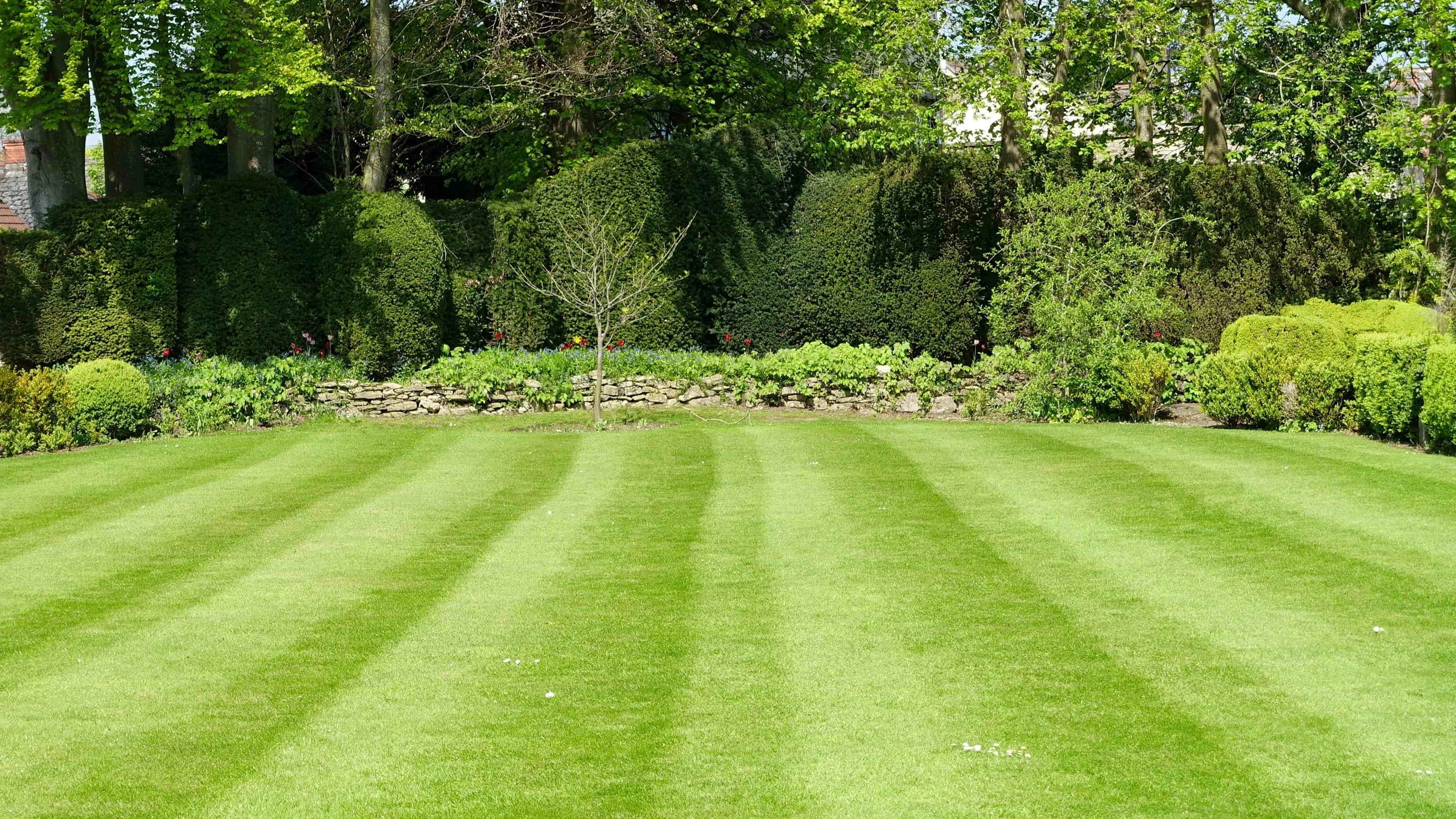
This is your TopGrass guide to why UK lawns need nitrogen in order to thrive!
A lush, green lawn might look effortless, but beneath the surface there’s a surprising amount of science at work. One of the most important elements in that science is nitrogen for lawns. Whether you’re a homeowner trying to improve tired turf or a beginner learning the basics of lawn care, understanding why nitrogen matters will help you grow healthier, stronger grass with fewer problems.
This article explains, in plain English, why lawns need nitrogen, how it fuels grass growth, and how to use it responsibly to support both your lawn and the environment.
One of nitrogen’s most important jobs is helping grass produce chlorophyll. Chlorophyll is the pigment that makes grass green and allows plants to carry out photosynthesis — the process of converting sunlight into energy.
When nitrogen levels are adequate:
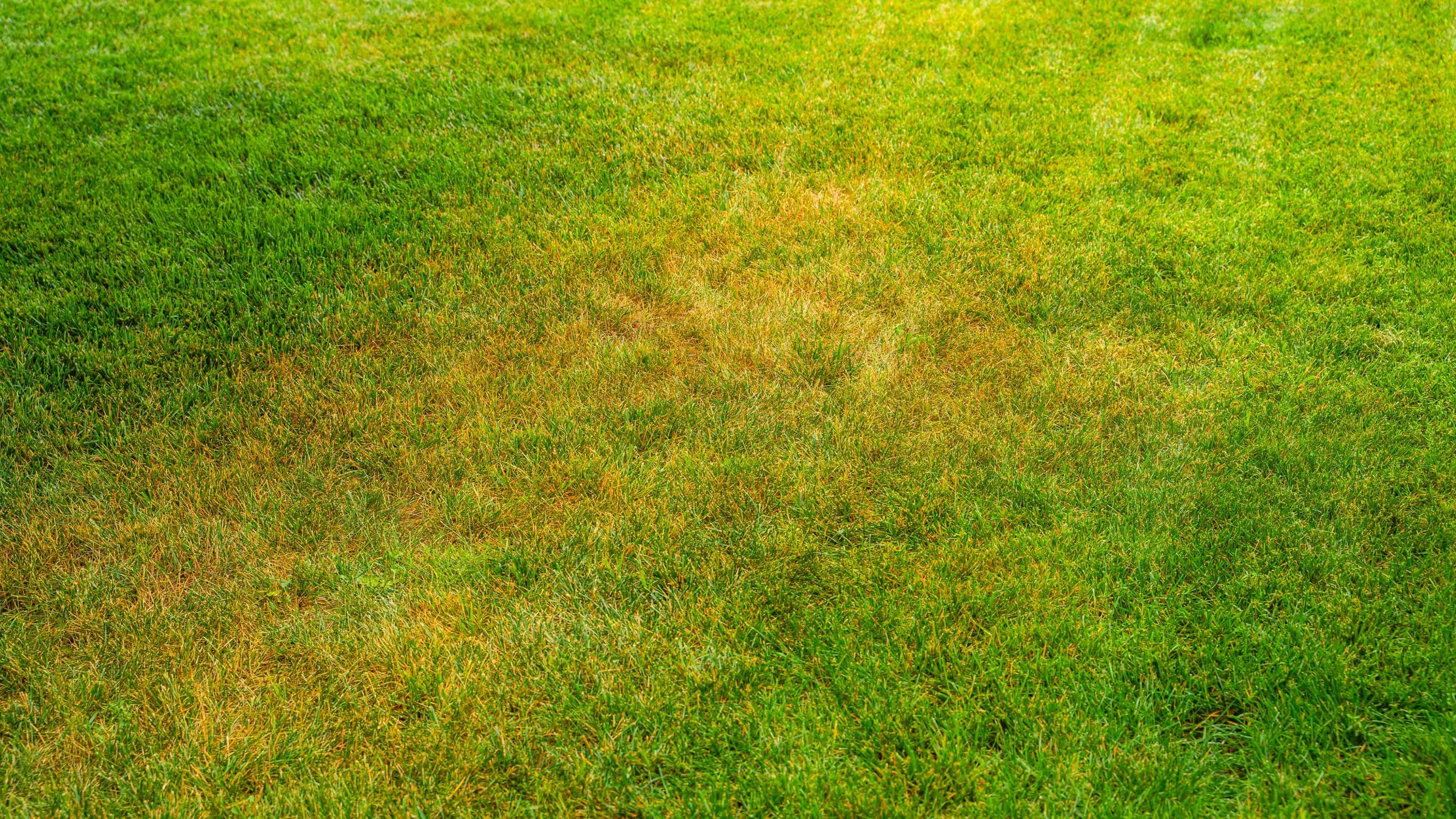
When nitrogen is lacking, chlorophyll production drops. This is why nitrogen deficiency often shows up first as pale or yellowing grass. Less chlorophyll means less energy, and less energy means weaker growth overall.
Nitrogen also directly influences how quickly and densely grass grows. It encourages:
This is why lawn fertiliser nitrogen content is often higher than other nutrients. A well-fed lawn fills in bare patches more quickly and is better able to outcompete weeds by forming a dense, closed surface.
However, because nitrogen mainly promotes top growth, it needs to be balanced with proper mowing and other nutrients to avoid excessive softness or disease risk.
Nitrogen doesn’t just sit in the soil waiting to be used. It constantly moves through what’s known as the soil nitrogen cycle.
Here’s a simplified version of how it works:
This constant movement explains why nitrogen levels drop over time, even in good-quality soil.
Organic nitrogen sources (like compost or manure-based fertilisers) rely on microbes to break them down slowly. This provides a steady, long-term supply.
Synthetic nitrogen sources are manufactured to release nutrients quickly or gradually, depending on the formulation. They give more immediate results but need careful management to avoid waste.
Nitrogen is particularly mobile. Heavy rainfall can wash it below the root zone (leaching), and warm conditions can cause some forms to evaporate into the air. This makes regular, well-timed feeding more important than simply applying large amounts at once.
Nitrogen deficiency is most common:
Recognising these signs early allows you to correct the issue before long-term damage occurs.
The Standard Package includes our Season Starter, Early Season and Mid Season Treatments that all contain a nitrogen rich fertiliser treatment to tackle nutrient deficient grass, plus a Lawn Aeration to improve drainage and help nutrients reach the roots more easily. Click here to find out how our Standard Package can help your lawn thrive.
Grass receives nitrogen from both natural processes and human intervention. The healthiest lawns usually benefit from a combination of both.
Soil microbes
Beneficial bacteria and fungi convert organic nitrogen into forms grass can absorb. Healthy soil biology is essential for sustainable nutrition.
Grass clippings
Leaving clippings on the lawn (mulching) returns valuable nitrogen to the soil as they break down.
Organic matter
Compost, leaf mould and well-rotted manure improve soil structure while slowly releasing nutrients, including nitrogen.
When natural sources aren’t enough, fertilisers provide a controlled way to supply nitrogen.
Fast-release nitrogen
Slow-release nitrogen
Granular vs liquid fertilisers
Granular products are popular for even coverage and ease of use, while liquid fertilisers act faster and are useful for targeted feeding.
Choosing the right nitrogen fertiliser for grass depends on your lawn’s condition, the season and how much maintenance you’re willing to do.
Yes — and it’s a common mistake.
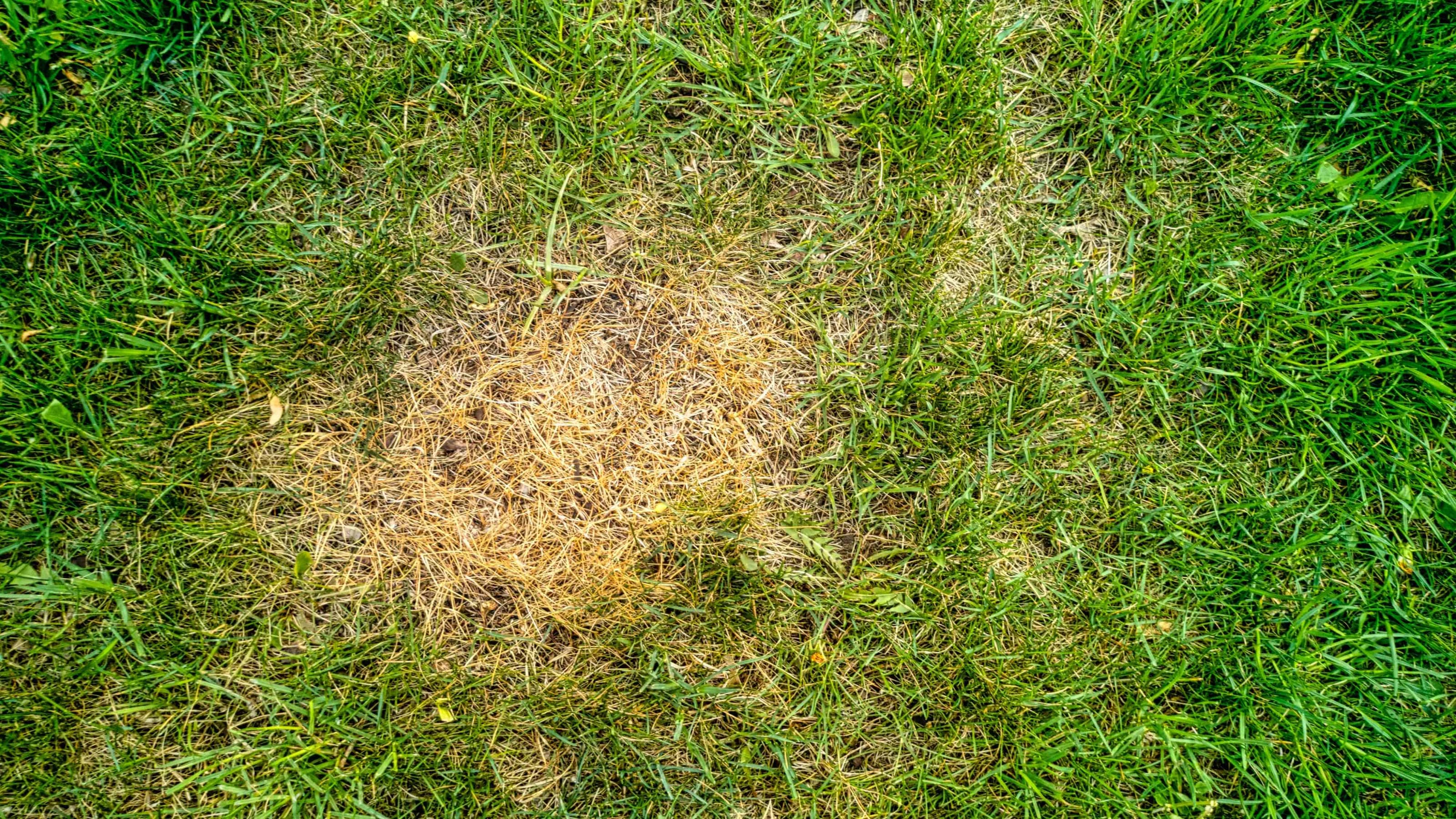
Over-application of nitrogen can cause:
From an environmental perspective, too much nitrogen can wash into drains and waterways, contributing to pollution and harming aquatic ecosystems.
The goal isn’t maximum growth, but balanced growth. A lawn that grows steadily and evenly is healthier and more resilient than one pushed too hard.
A soil test is the most accurate way to understand your lawn’s nutrient needs. It reveals:
Testing helps you avoid guesswork and unnecessary applications.
Avoid heavy nitrogen applications during droughts or extreme heat.
Fertiliser labels show an N-P-K ratio. For example, 20-5-10 means 20% nitrogen. Lawns typically benefit from higher nitrogen ratios, but the exact balance should match the season and soil condition.
Responsible use protects both your lawn and the wider environment.
Nitrogen is at the heart of healthy grass growth. It fuels photosynthesis, drives leaf development and keeps lawns green and dense. Understanding why lawns need nitrogen allows you to move beyond guesswork and make smarter decisions about feeding and maintenance.
The key is balance. Too little nitrogen leads to weak, pale turf; too much creates problems just as quickly. By combining basic lawn science with careful application and good timing, you can enjoy a lawn that looks great and grows sustainably.
TopGrass has the right nitrogen-rich treatments to get your lawn back in top condition!
Lawns need nitrogen because it is essential for healthy grass growth, green colour and density. Nitrogen helps grass produce chlorophyll for photosynthesis, allowing it to convert sunlight into energy. Without enough nitrogen, lawns grow slowly, become pale or yellow, and struggle to recover from wear and tear.
Common signs of nitrogen deficiency in lawns include pale green or yellowing grass, slow growth, thin or patchy turf and increased weed growth. These symptoms are most noticeable in spring, after heavy rainfall, or on sandy soils where nutrients drain away more quickly.
Nitrogen supports grass growth by encouraging leaf development and improving lawn density. It plays a key role in chlorophyll production, which gives grass its green colour and enables photosynthesis. With enough nitrogen, grass grows thicker, recovers faster and forms a stronger, more resilient lawn surface.
Yes, applying too much nitrogen can damage your lawn. Over-fertilisation may cause lawn scorch, weak and excessive growth, increased mowing needs and a higher risk of disease. Excess nitrogen can also leach into waterways, so it’s important to apply the right amount at the right time.
The best way to add nitrogen to a lawn is through a combination of natural sources and properly timed fertiliser treatments. Leaving grass clippings, improving soil health and using slow-release nitrogen fertilisers help provide consistent feeding. A soil test can also guide how much nitrogen your lawn actually needs.
Here are TopGrass's top reasons why you should have your lawn professionally cared for!
We have provided here a handy guide on the differing weather conditions we experience here in the UK and how our services and treatments work in the different conditions.
Expert Lawn Care Tips for Mowing and Watering UK Gardens