
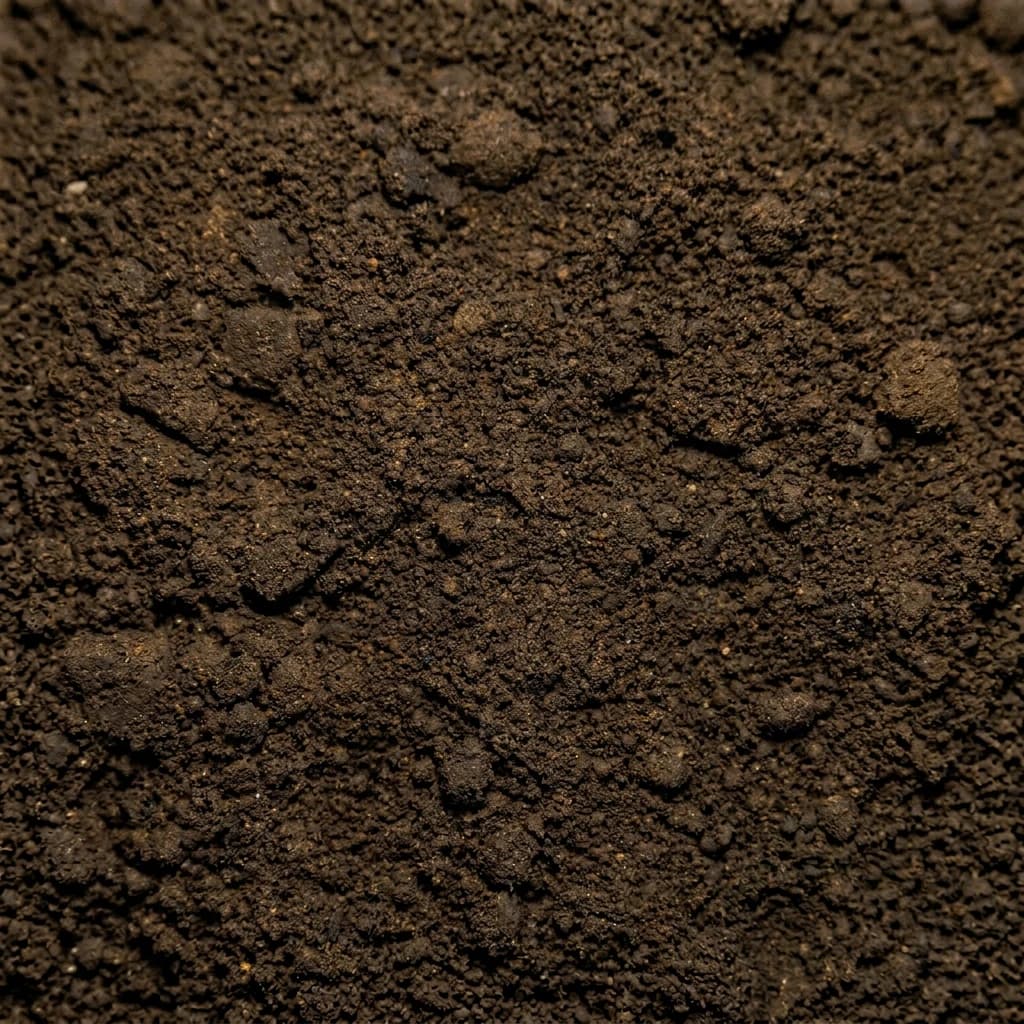
UK Lawn Soil Types: A Complete Guide to Understanding and Improving Your Lawn
You may have an issue with your lawn that has not appeared in our lawn diseases, pests or weeds guide. This guide identifies any of those other lawn problems for you and potential solutions.
Don't forgot your soil type!
If your lawn never quite looks the way you want it to, the answer might be right beneath your feet. Soil type is one of the most important factors in lawn health, yet it is one of the most commonly overlooked. Understanding what kind of soil you have will help explain why your lawn struggles with waterlogging, dries out too quickly, or always seems to have a moss problem, and more importantly, what to do about it.
In this guide, we walk through the main soil types found in UK gardens, how to identify them, and what each one means for your lawn care routine.
Why Soil Type Matters for Your Lawn
Grass roots need three things to thrive: water, air, and nutrients. The type of soil you have determines how well your lawn can access all three. A soil that drains too quickly loses nutrients before the grass can use them. A soil that holds too much water suffocates roots and creates the damp, airless conditions that moss and fungal disease thrive in.
No two gardens are exactly the same, and even within a single lawn the soil can vary. That said, most UK gardens fall into one of four main soil categories: clay, sandy, loam, or chalky. Each comes with its own strengths, weaknesses, and care requirements.
Clay Soil
What is Clay Soil?
Clay soil is made up of tiny, tightly packed particles that hold water well but drain slowly. It is the most common soil type across much of the UK, particularly in the Midlands, parts of the North, and areas of the South East.
How to Identify Clay Soil
Take a small handful of moist soil and try to roll it between your palms into a sausage shape. Clay soil will hold together easily and can be smoothed to an almost shiny finish. When wet it feels sticky and heavy. In summer, clay lawns often crack visibly as the surface dries and bakes hard.
Clay soil is genuinely fertile because it holds nutrients well, but those nutrients are often locked away from grass roots due to compaction and poor drainage. The main issues clay soil causes for lawns include:
- Waterlogging in autumn and winter, which encourages moss and fungal disease
- Surface compaction, particularly in high-traffic areas, which prevents roots from breathing
- Hard, cracked surfaces in summer that make it difficult for water and nutrients to penetrate
- Slow warming in spring, which can delay grass growth compared to lighter soils
- Thatch build-up, as the slower decomposition rate in dense soil allows dead material to accumulate
The good news is that clay lawns can be transformed with the right approach. The key treatments are:
- Solid tine aeration creates channels through the compacted soil, allowing air, water and nutrients to reach the roots. This is particularly beneficial in autumn when clay lawns are most susceptible to waterlogging.: Aeration
- Removing the build-up of thatch through scarification improves airflow at soil level and reduces the conditions that moss and disease favour.
- Clay soil already holds nutrients, so over-fertilising can do more harm than good. A carefully balanced seasonal feeding programme works with the soil rather than against it.
- Bare patches and thin areas can be restored with overseeding in spring or autumn, helping to establish a denser, more resilient grass.
Regular aeration is the single most impactful treatment for clay-heavy soil types.
Sandy Soil
What is Sandy Soil?
Sandy soil sits at the opposite end of the spectrum from clay. Its large, loose particles drain quickly and warm up fast in spring, but they hold very little water or nutrients.
How to Identify Sandy Soil
Sandy soil feels gritty between the fingers and falls apart when you try to mould it. It cannot be rolled into a sausage shape. After rain, it drains almost immediately. In dry spells, it becomes dusty and pale very quickly.
- Rapid drying out, making lawns vulnerable to drought stress in summer
- Nutrient leaching, where rain washes essential minerals through the soil before grass roots can absorb them
- Thin, patchy growth due to poor fertility
- Susceptibility to drought browning, particularly during the warmer months
- Sandy lawns need more frequent fertilisation than clay lawns because nutrients are lost through drainage. A slow-release fertiliser is particularly effective as it replenishes nutrients over time rather than all at once.
- Sandy lawns benefit from more regular watering in dry periods, ideally in the early morning to reduce evaporation.
- Deep-rooting and drought-tolerant grass species establish better in sandy conditions and help maintain coverage through dry spells.
- Over time, adding organic material to sandy soil can improve its water and nutrient retention.
Loam Soil
What is Loam Soil?
Loam is widely regarded as the ideal garden soil, and for good reason. It is a balanced mixture of clay, sand, and silt that combines the best qualities of each: reasonable drainage, good moisture retention, and natural fertility. Loamy soils are found across much of the Thames Valley, Hampshire, and parts of the Home Counties.
How to Identify Loam Soil
Loam soil feels soft and slightly crumbly. When moist, it will hold its shape if you squeeze it gently but breaks apart without too much effort. It does not feel sticky like clay, nor gritty like sand.
Loam lawns tend to grow evenly and maintain good colour across the seasons. However, even the best soil type requires proper care:
- Compaction can still occur in high-traffic areas, restricting root growth
- Thatch can build up quickly because loam is so fertile and grass grows vigorously
- Drought stress remains possible during prolonged dry spells
- Nutrient levels need to be maintained through regular feeding, even though the soil is naturally fertile
Loam lawns reward consistent, well-timed care. Seasonal aeration prevents compaction, scarification keeps thatch in check, and a balanced fertilisation programme maintains the soil's natural fertility without overstimulating growth. Overseeding in autumn helps to keep the sward dense and resilient.
Chalky Soil
What is Chalky Soil?
Chalky soils are alkaline, free-draining, and often shallow. They are found predominantly in areas overlying chalk or limestone geology, such as the Chilterns, the North Wessex Downs, and parts of the Cotswolds. Chalky soil can vary considerably in depth and clay content.
How to Identify Chalky Soil
Chalky soil often contains visible lumps of white or pale stone. If you place a small sample in a jar of water and add a drop of vinegar, chalky soil will fizz noticeably due to its calcium carbonate content. It tends to be pale in colour and drains quickly.
- High alkalinity, which limits the availability of certain nutrients including iron and manganese
- Poor depth, meaning grass roots have limited room to establish
- Free-draining nature, which can lead to drought stress in summer
- Yellowing of grass (chlorosis) caused by nutrient lockout in highly alkaline conditions
- Choosing fertilisers formulated for alkaline soils helps to deliver nutrients that chalky soil makes harder for grass to access.
- Because chalky soil drains freely, nutrients need to be replenished more often, which can be done through regular feeding.
- In dry periods, chalky lawns may need supplementary watering and careful mowing height management to reduce stress. Our Water Conserver Treatment helps lawns reduce drought stress on lawns by increasing their ability to absorb and retain moisture.
- Some grass varieties are better suited to free-draining, alkaline conditions and will establish more successfully on chalky soil.
How to Identify Your Soil Type
You do not need a laboratory to get a good idea of your soil type. Here is a simple test you can do at home:
- Take a small handful of moist soil from your garden, a few centimetres below the surface.
- Try to roll it into a sausage shape between your palms. If it rolls easily and holds together with a slight sheen, it is likely clay. If it crumbles and feels gritty, it is likely sandy. If it holds shape gently but breaks apart with a little pressure, it is probably loam.
- Look at how quickly your lawn drains after rainfall. Clay soils often stay waterlogged for hours or days. Sandy soils drain almost immediately. Loam sits somewhere in between.
- Note how your lawn behaves in summer. Does it crack and harden? Clay. Does it go pale and dry very quickly? Sandy.
- Check the colour. Clay soils tend to be darker and more orange-brown. Sandy soils are often lighter and more yellow-grey. Chalky soils may have visible pale stones.
Soil Type and Your Lawn Treatment Plan
Understanding your soil type is not just an academic exercise. It directly determines which treatments your lawn will benefit from most and how often they should be applied. A clay lawn needs very different care from a sandy lawn in a riverside village, even if both look similar on the surface.
At TopGrass, all of our lawn assessments take soil type into account. Our technicians understand the local soil conditions across the Midlands and South East and tailor every treatment plan accordingly, from the timing and type of fertiliser to the frequency of aeration visits.
Whether your lawn is struggling with moss and waterlogging on heavy clay, drought browning on sandy ground, or simply never quite looking as good as it should, the starting point is always the same: know your soil.
Not Sure What Soil Type You Have?
When one of our technicians visits your property for a free lawn assessment, they will assess your soil conditions alongside the current state of your lawn and recommend the most appropriate treatment plan. There is no obligation, and it is the quickest way to get a clear picture of what your lawn actually needs.
Frequently Asked Questions About Lawn Soil Types
The simplest way is to take a small handful of moist soil from just below the surface and try to roll it between your palms. Clay soil will roll easily into a sausage shape and feel sticky. Sandy soil will feel gritty and crumble apart. Loam will hold its shape gently but break apart without too much effort. You can also observe how your lawn behaves after rainfall. If water sits on the surface for a long time, you are likely dealing with clay. If it drains almost immediately, your soil is probably sandy.
Waterlogging is almost always a sign of poor drainage, which is most commonly caused by clay soil or compacted ground. When soil becomes compacted, water cannot pass through it quickly enough and sits on the surface instead. This is one of the most common problems we see on North Oxford lawns. Regular aeration is the most effective treatment, as it creates channels through the soil that allow water to drain away more freely.
If your lawn loses its colour quickly during dry spells, sandy soil is often the cause. Sandy soils drain so freely that they struggle to hold onto water and nutrients, leaving grass vulnerable to drought stress. It can also affect lawns on shallow chalky soil, where there is simply not enough depth for roots to find moisture. Choosing the right fertiliser and grass varieties for your soil type makes a significant difference in how well your lawn copes during dry periods.
Aeration is the single most impactful treatment for clay soil lawns as it relieves compaction and improves drainage in one go. Combined with a tailored seasonal fertilisation programme and moss control where needed, aerated clay lawns can be transformed significantly within a single season. Scarification also helps by removing the thatch that builds up more quickly in dense clay soils.
Most clay lawns benefit from aeration at least once a year, typically in autumn when the soil is moist enough to work with but before the worst of the winter waterlogging sets in. Lawns that experience heavy foot traffic or show signs of significant compaction may benefit from aeration twice a year. Our Standard and Enhanced packages both include aeration as part of the annual treatment plan.
You cannot fundamentally change your soil type, but you can significantly improve its characteristics over time. Clay soil can be made much more workable and better draining through regular aeration and the gradual addition of organic matter. Sandy soil can be made more moisture-retentive in a similar way. Professional lawn treatments that are tailored to your soil type will consistently work to improve conditions at root level, building a healthier growing environment season by season. Our Soil Improver Programme is designed to naturally improve all soil types by changing the structure of the soil and providing natural aeration.
Yes, considerably. Sandy soils lose water quickly and may need supplementary watering during dry spells, particularly in summer. Clay soils retain water much longer, meaning overwatering can actually make waterlogging worse. Loam sits comfortably in between, handling most seasons well with minimal intervention. Understanding your soil type helps you water smarter rather than simply watering more.
Check Your Location
Check Your Location
About the author
Written by
Peter Arnold
Marketing Manager
Related Articles
The Complete TopGrass Lawn Care Calendar: Month-by-Month Guide
This is your in-depth monthly guide to lawn care!

Common Weeds with White Flowers: Lawn Care Tips
This is your TopGrass guide to weeds with white flowers!

Common Weeds with Yellow Flowers: Lawn Care Tips
This is your TopGrass guide to weeds with yellow flowers!