
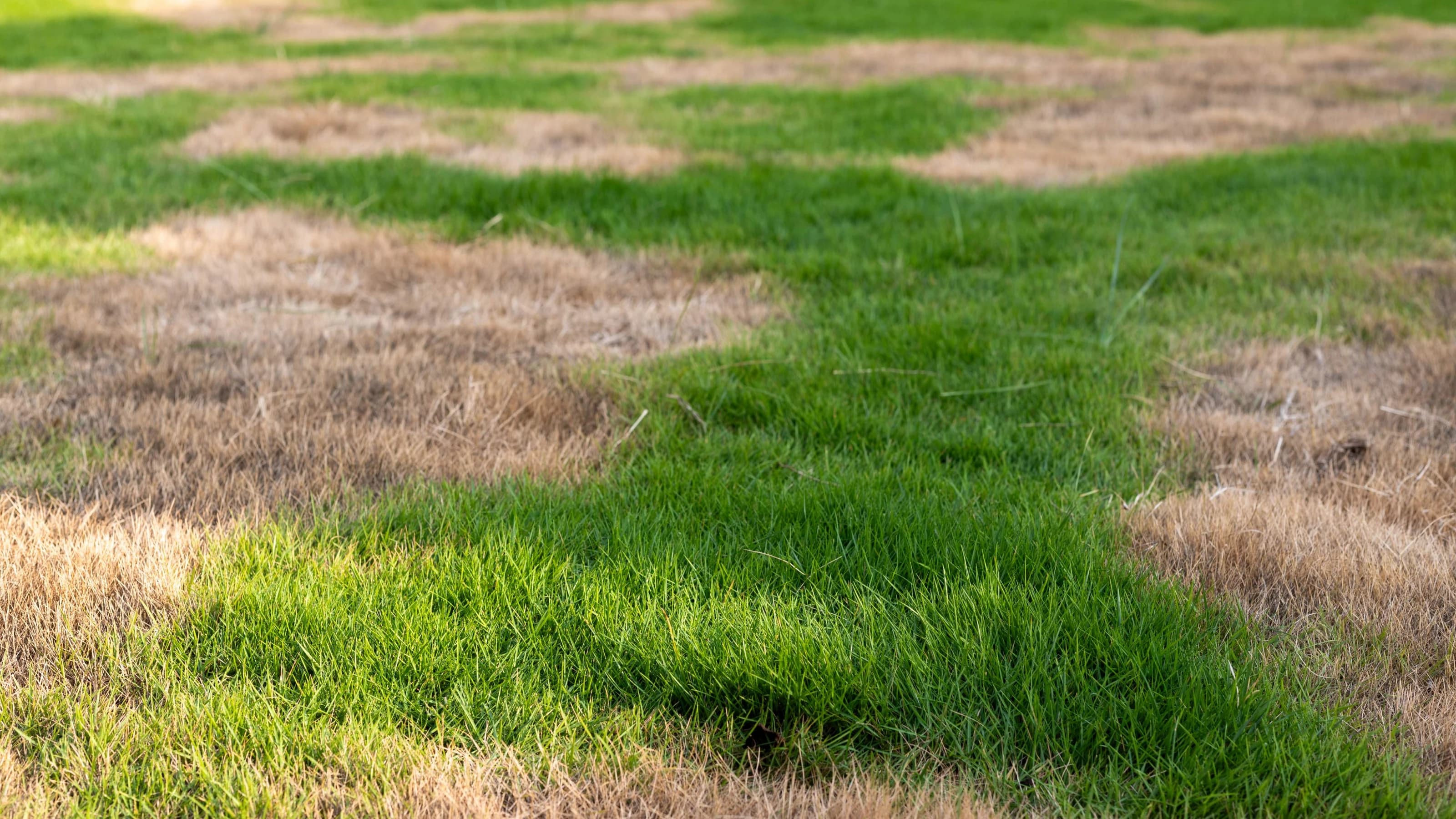
This is your TopGrass guide on how to identify brown patches in your lawn and how to solve them.
Few things are more frustrating than seeing unsightly brown patches ruin the appearance of an otherwise lush, green lawn. Whether you’re a UK homeowner, an eco-conscious gardener, or a DIY lawn care enthusiast, understanding the causes of lawn disease and damage is the first step toward effective repair.
In this comprehensive guide, we’ll explore the most common reasons behind brown patches, how to identify them, and eco-friendly solutions to restore your turf naturally. By following these strategies, you can enjoy a healthier, greener lawn year-round.
Brown patches can appear for many reasons, ranging from environmental stress to pests and diseases. Understanding the root cause is essential to apply the right solution.
Extended dry spells or heatwaves can leave grass dehydrated and stressed. Lawns in sandy or shallow soils are especially vulnerable.
Symptoms:
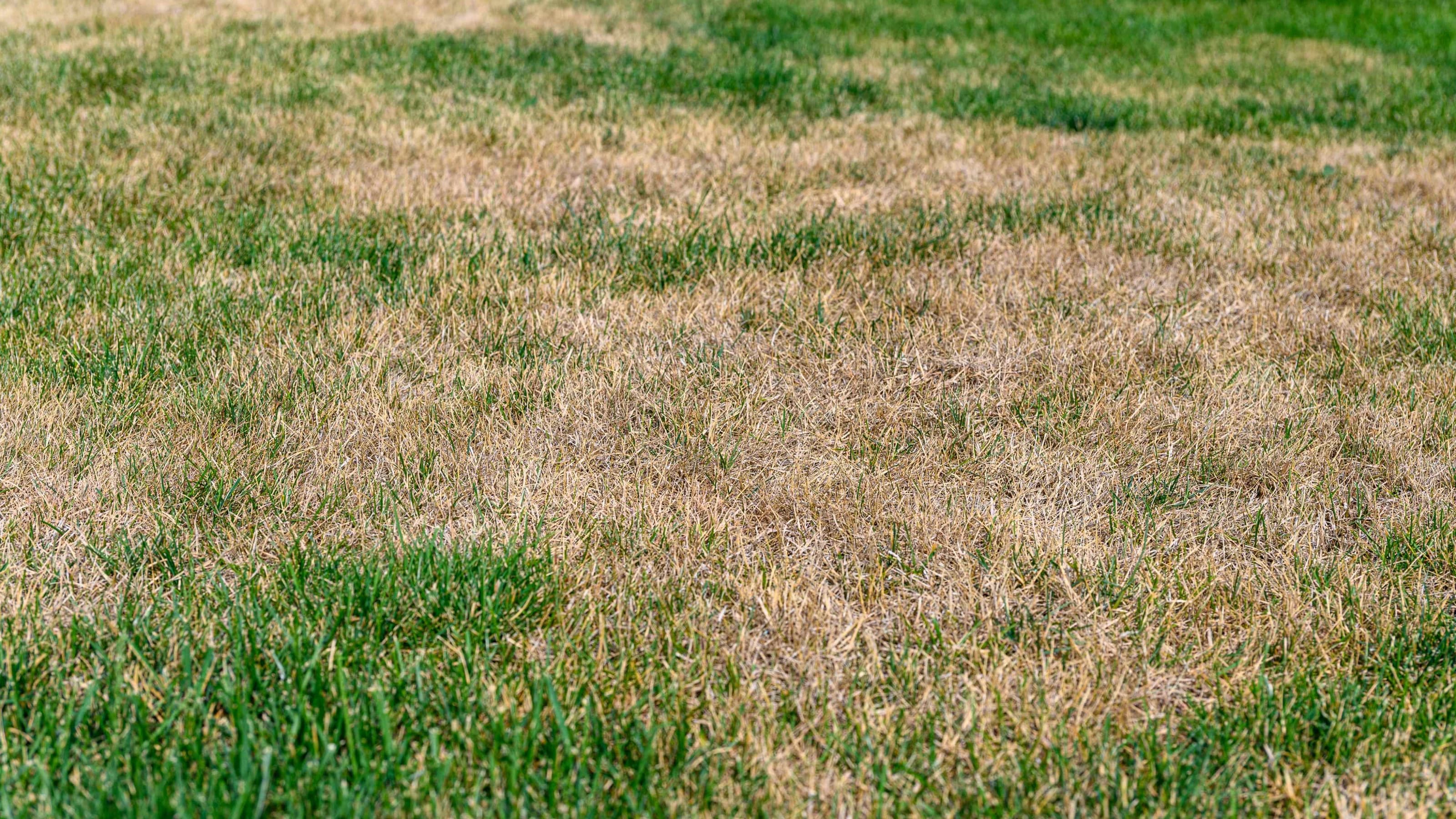
Dog urine is a common cause of patchy lawns, particularly in high-traffic areas. Nitrogen in urine can burn the grass, leaving brown centres with dark green edges.
Prevention & Fixes:
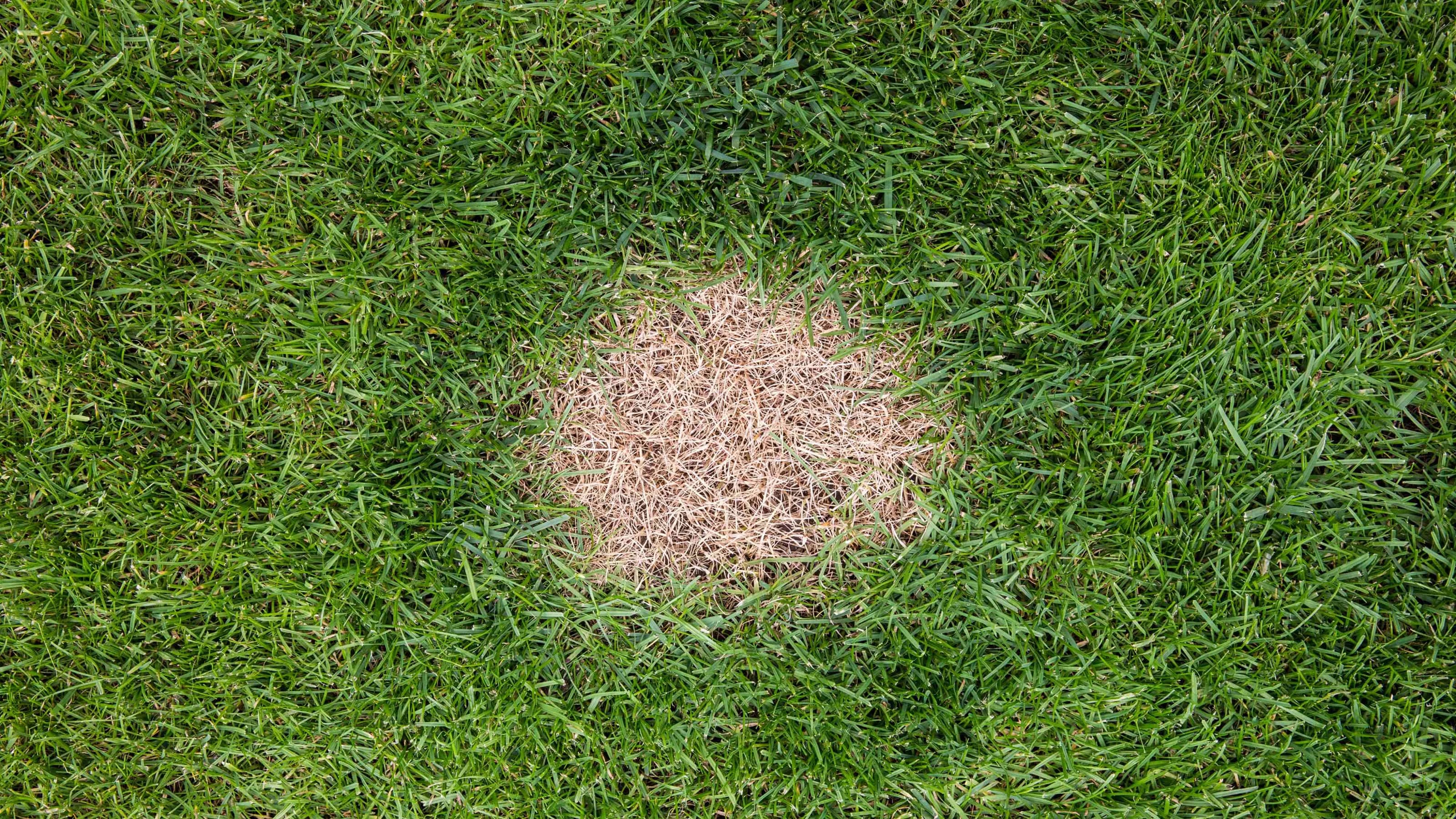
Fungal infections thrive in damp or poorly-drained lawns. Common lawn diseases include:
Prevention & Fixes:
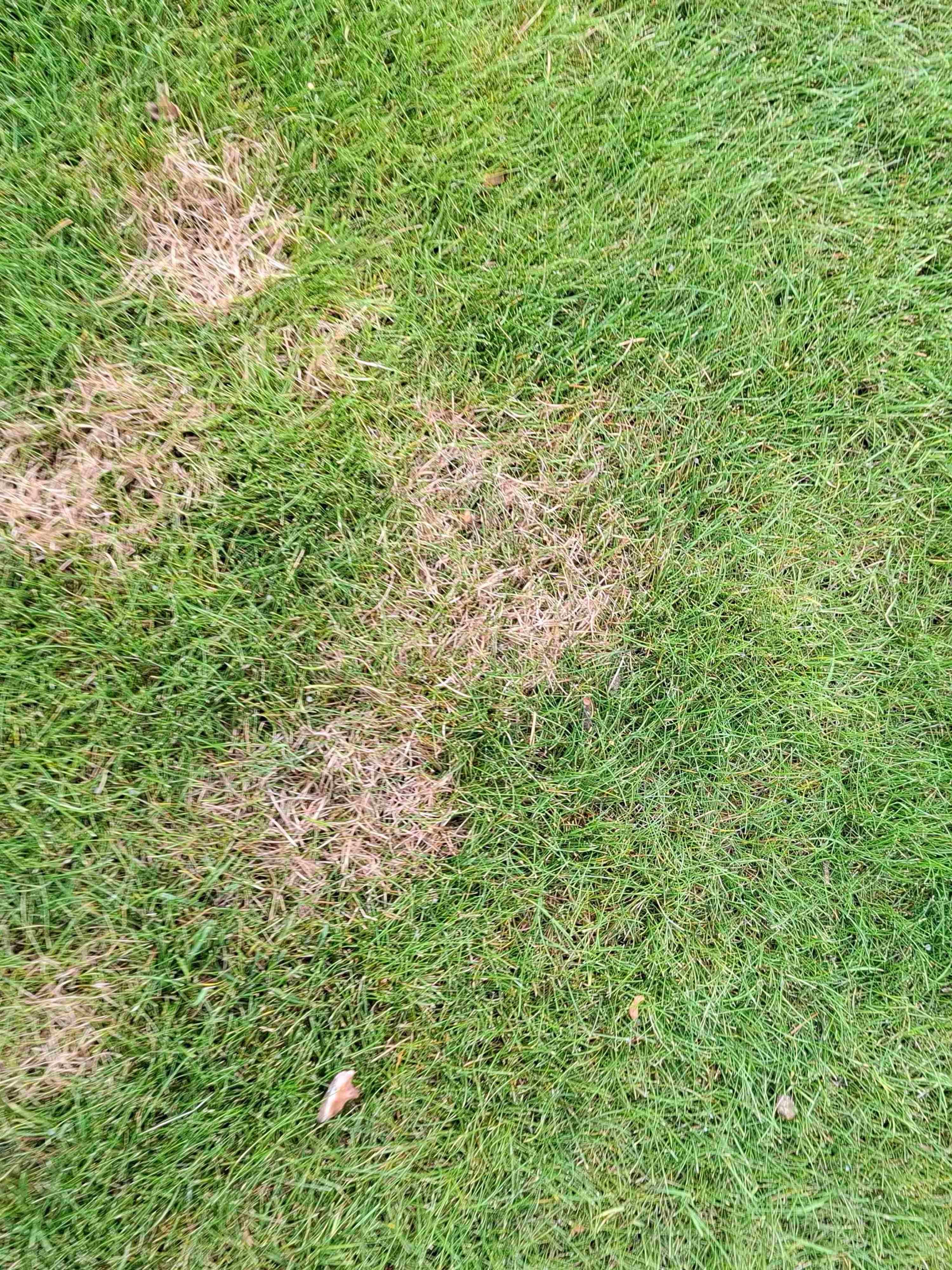
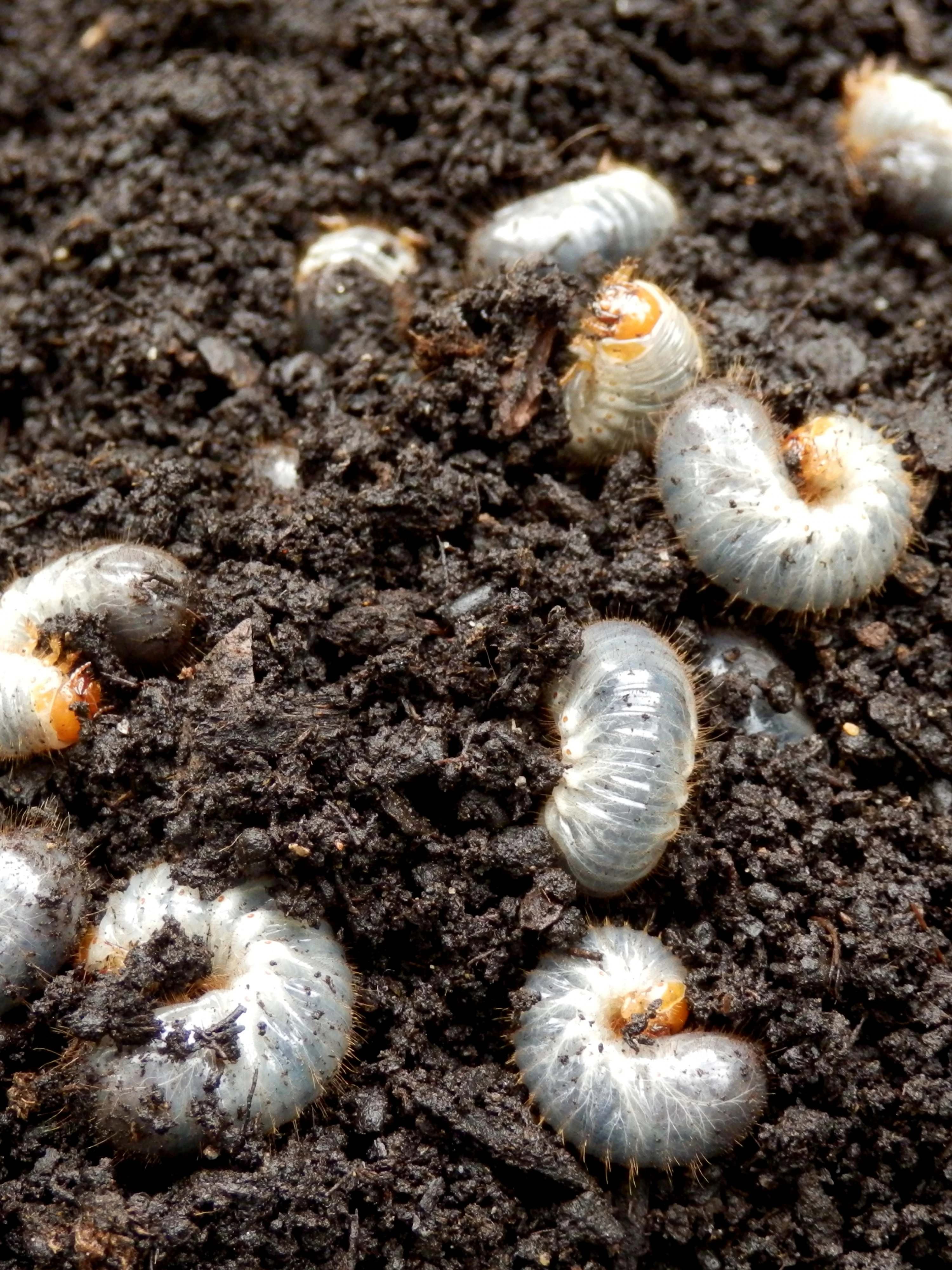
Chafer grubs, leatherjackets, and other soil pests feed on grassroots, leaving your turf patchy and easy to lift. Birds pecking at your lawn may indicate an infestation.
Solutions:
Heavy foot traffic or clay-heavy soil can suffocate grass roots, making it hard for water and nutrients to reach the soil.
Symptoms:
Prevention & Fixes:
Brown patches in your lawn can be frustrating and can signal underlying issues that need immediate attention. Correctly diagnosing the cause is essential before applying any treatments. Here’s a comprehensive guide to help you identify the problem.
Shape of the Patches:
The season can provide critical clues about the underlying problem:
Simple inspections at home can help pinpoint the cause:
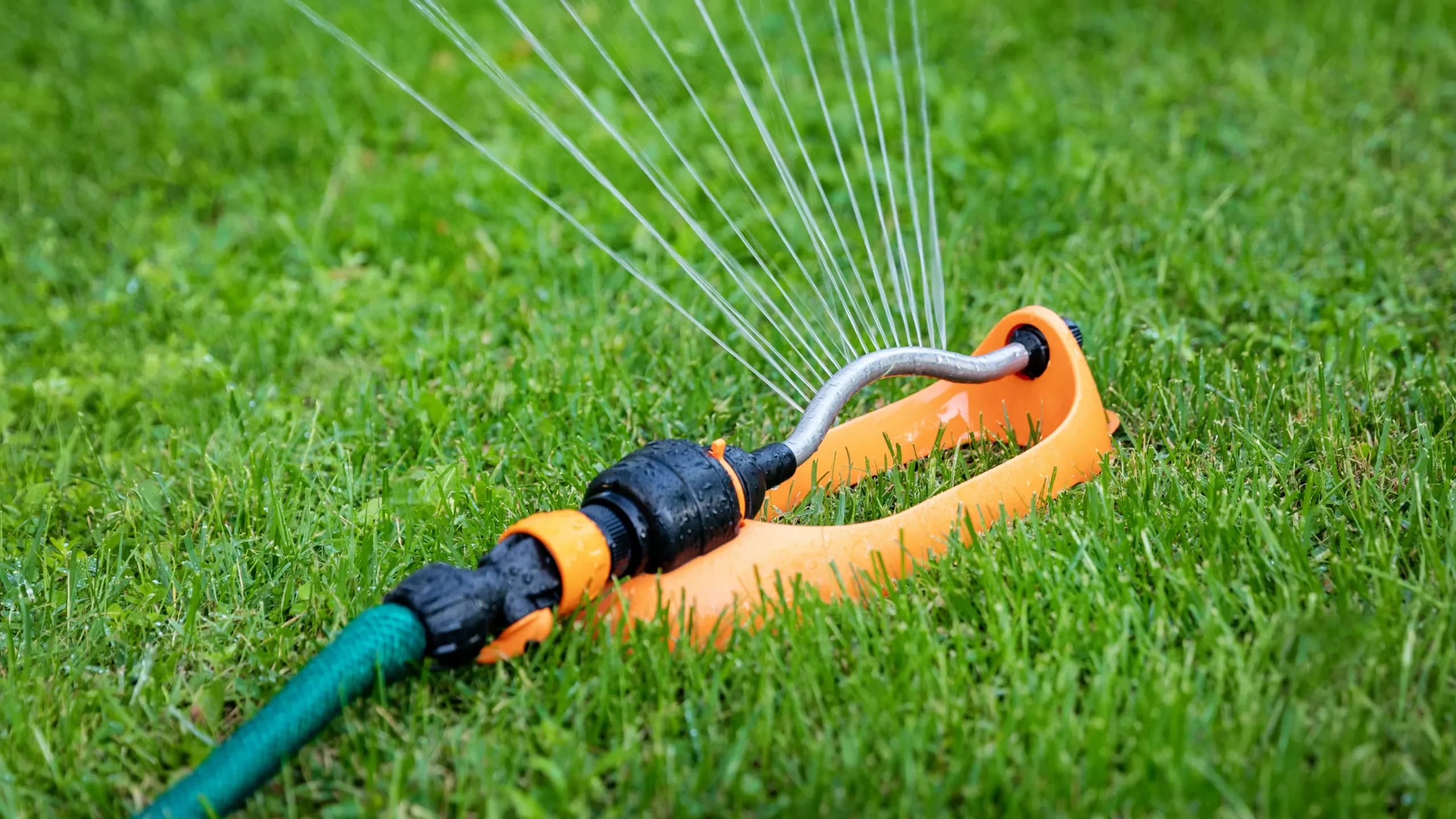
Proper watering is the cornerstone of a healthy lawn. Overwatering or shallow watering can lead to weak roots, disease, and fungal growth.
Best practices:
When soil dries out excessively, it can develop a waxy layer that repels water, a phenomenon known as hydrophobicity. You may notice water forming beads on the surface, much like rain on a waxed car, or running off slopes instead of being absorbed. Even heavy watering may fail to moisten the soil.
Wetting agents work by breaking down this waxy layer, allowing water to penetrate and reach the roots where it’s needed. If your lawn has hydrophobic areas—often seen as brown patches that don’t respond to watering—treating with a wetting agent can help restore proper water absorption.
For lawns affected by drought, we recommend our Water Conserver Treatment. This wetting agent enhances your lawn’s capacity to absorb and retain moisture, maximising the benefits of rainfall and irrigation. It’s especially effective for sandy soils or areas showing signs of hydrophobicity. Keep in mind, this treatment supports watering efforts but does not replace regular irrigation during dry spells.
Pet urine and heavy foot traffic can quickly damage your lawn, leaving unsightly brown spots.
Solutions:
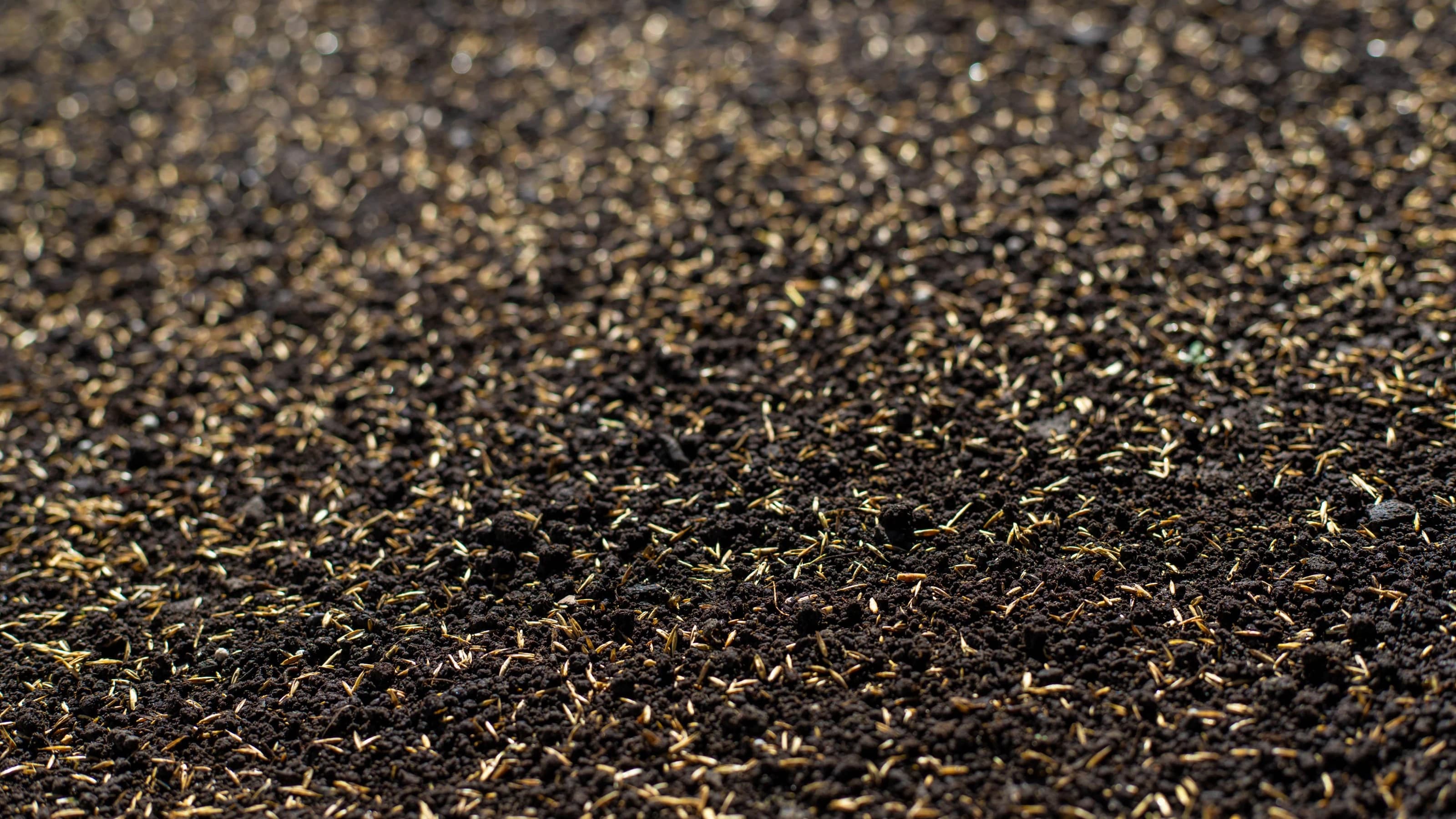
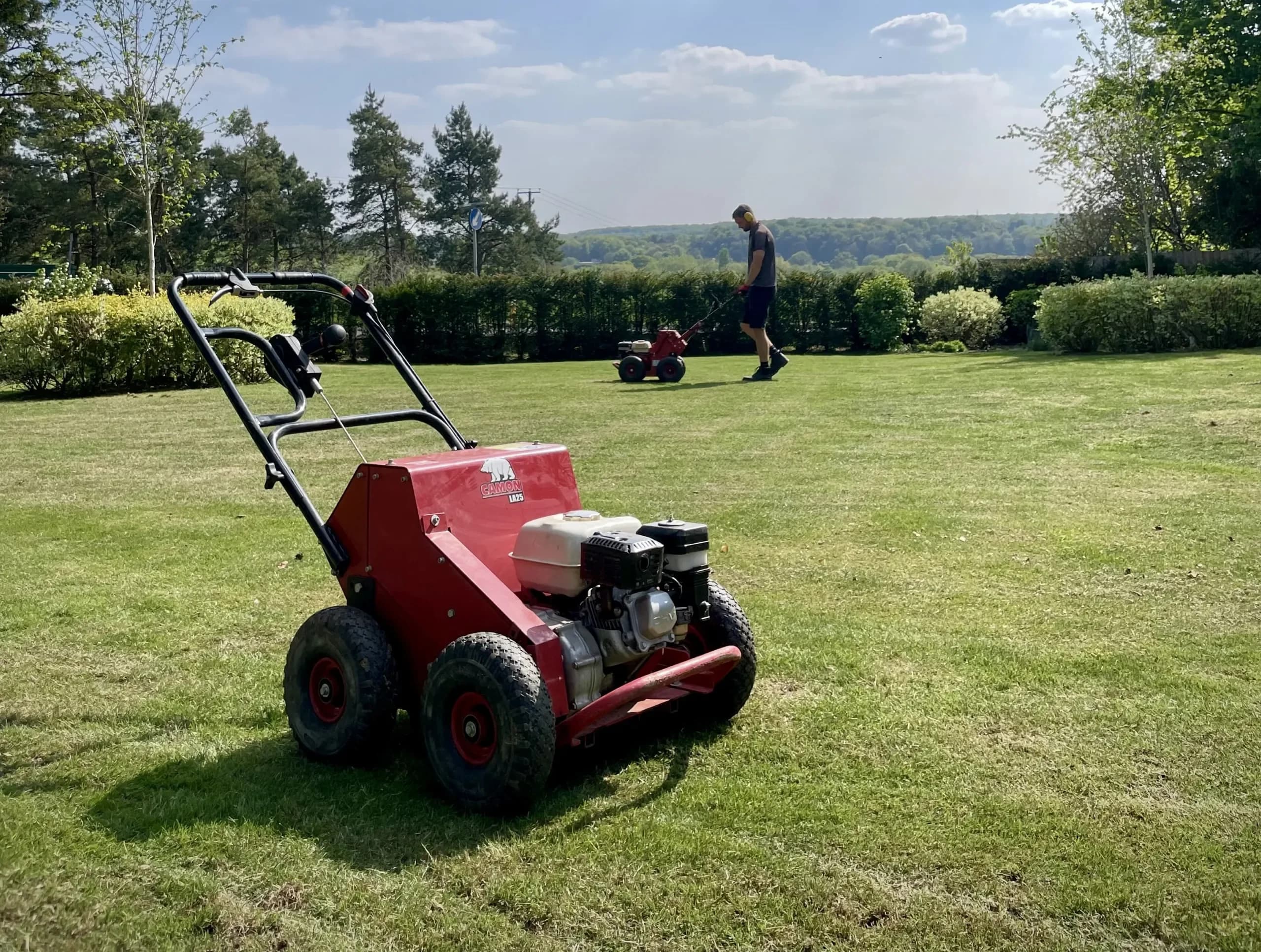
Soil compaction prevents water, nutrients, and air from reaching the roots. Aeration and overseeding are key to restoring your lawn.
How to do it:
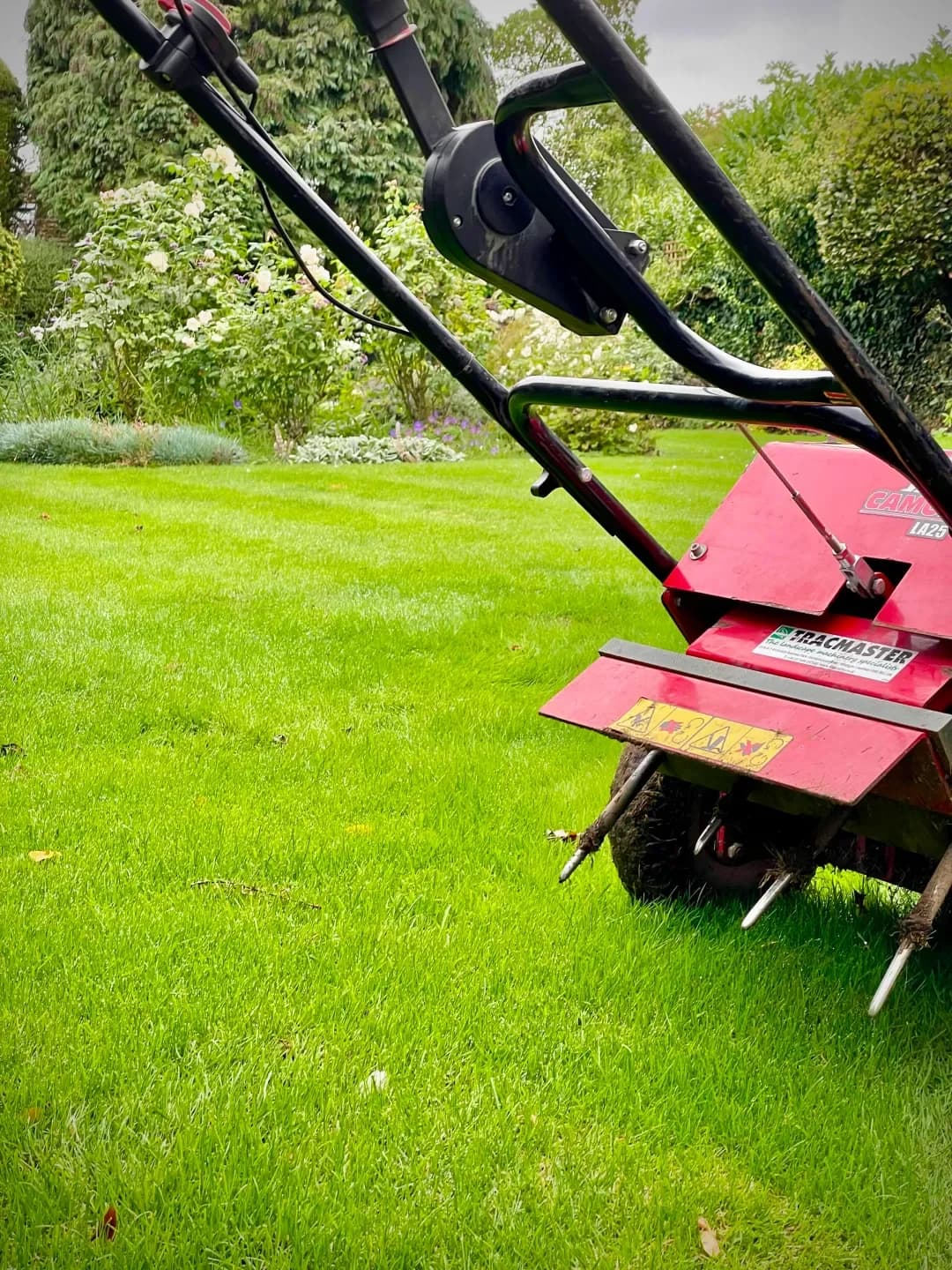
Lawn aeration is the process of creating small holes in your soil to relieve compaction and promote healthier grass. There are two main methods: hollow-tine aeration, which removes small soil plugs that break down on the surface over time, and solid-tine aeration, which simply punches holes without removing soil. Solid-tine aeration is less disruptive and doesn’t leave plugs to clean up, making it the method we recommend.
After aeration, water penetrates the soil more easily, roots grow deeper, and your lawn becomes healthier overall. With regular annual aeration, compacted, struggling lawns can gradually be transformed into lush, thriving landscapes.
Our Standard Lawn Care Package is one of our most popular plans, offering regular lawn fertilisation and weed control alongside Lawn Aeration—a crucial service that relieves soil compaction, improves drainage, and promotes deeper, healthier root growth. Discover more about Lawn Aeration here.
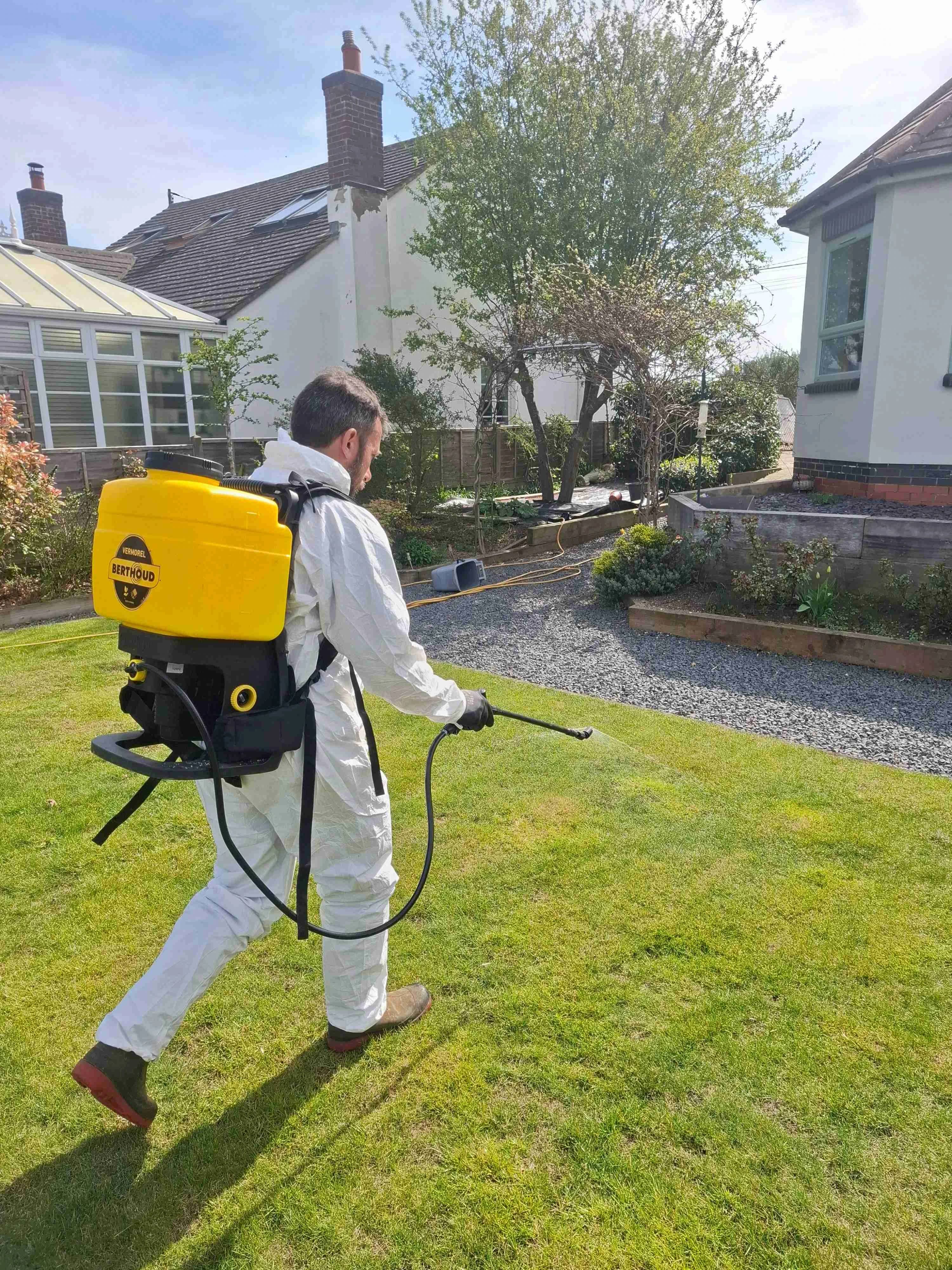
Chemical pesticides can harm beneficial insects and wildlife. Biological controls offer safe and effective alternatives.
Effective methods:
Maintaining a healthy lawn is easier than restoring a damaged one. Follow these preventive practices:
Brown patches in lawns can be caused by a variety of factors, including drought stress, pet urine damage, fungal diseases, soil compaction, poor drainage, and insect infestations such as chafer grubs or leatherjackets. Identifying the root cause is crucial for effective lawn repair.
To identify brown patches, examine the shape, colour, and edge patterns of the damaged areas. Circular patches often indicate fungal infections or pests, while irregular patches can result from drought or pet urine. Seasonal timing and soil moisture checks can also help diagnose the problem.
To repair urine-damaged areas, dilute the affected spots immediately with water, reseed with hardy, drought-resistant grass varieties, and consider designating a specific pet area to prevent further damage. Training pets and using frequent watering can reduce nitrogen burn.
Lawn aeration relieves soil compaction, allowing water, air, and nutrients to reach the roots more effectively. Techniques like solid-tine or hollow-tine aeration, combined with overseeding and mulching clippings, can restore thin or patchy areas and promote a healthier, green lawn.
Yes, fungal diseases like red thread, brown patch disease, and fusarium patch often produce circular or discoloured areas. Treatment includes improving drainage, avoiding overwatering, and using lawn treatments like our Red Thread Treatment. Early identification and correct diagnosis are key to preventing spread.
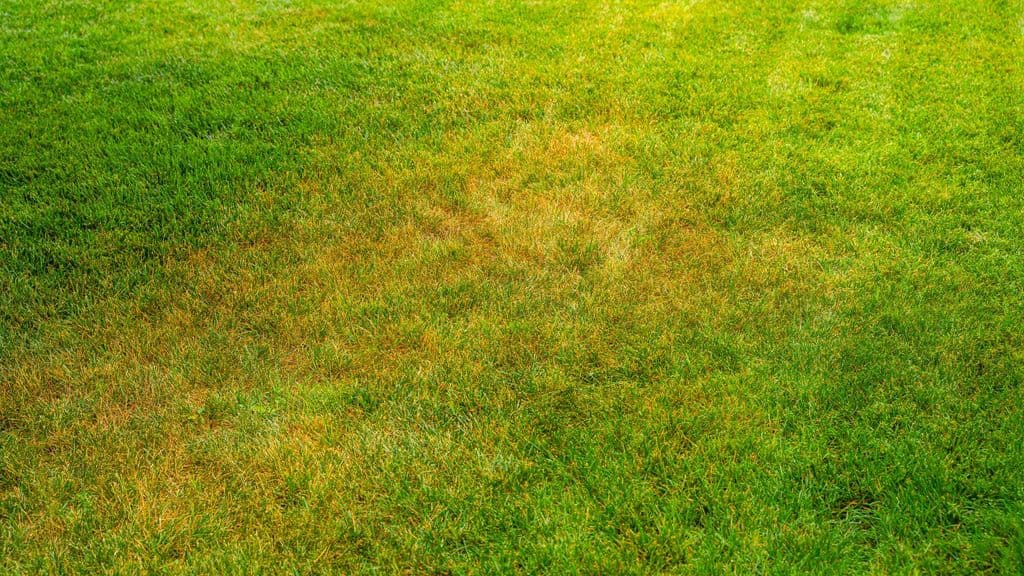
Yellowing of grass can be caused by a number of reasons, from nutrient imbalances to seasonal stress. In this guide, TopGrass will run through the causes of yellow grass and the methods of reviving your yellowing lawn.
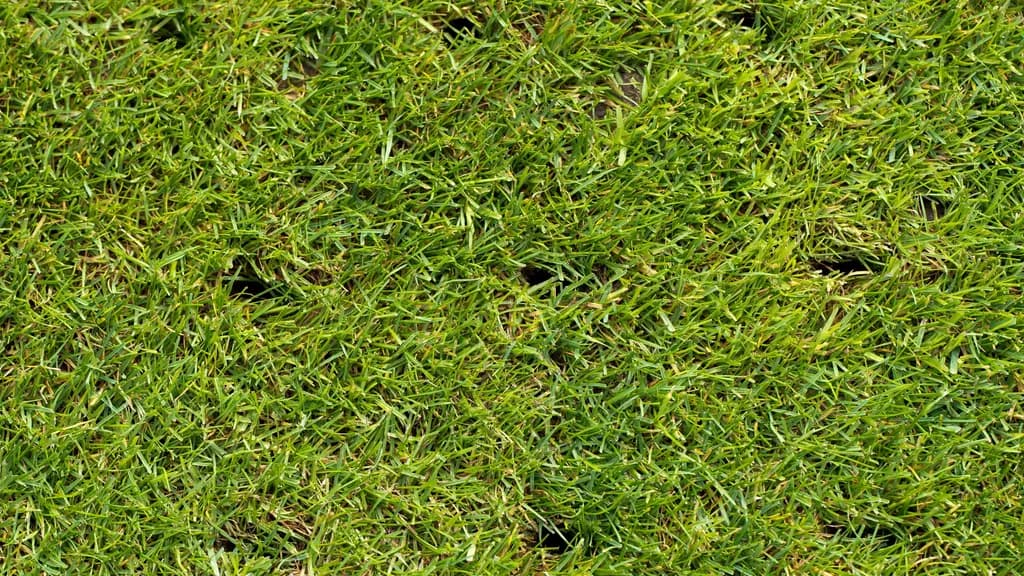
This is your TopGrass guide to compacted soil, the reasons why your soil is compacted and how to solve the issue!
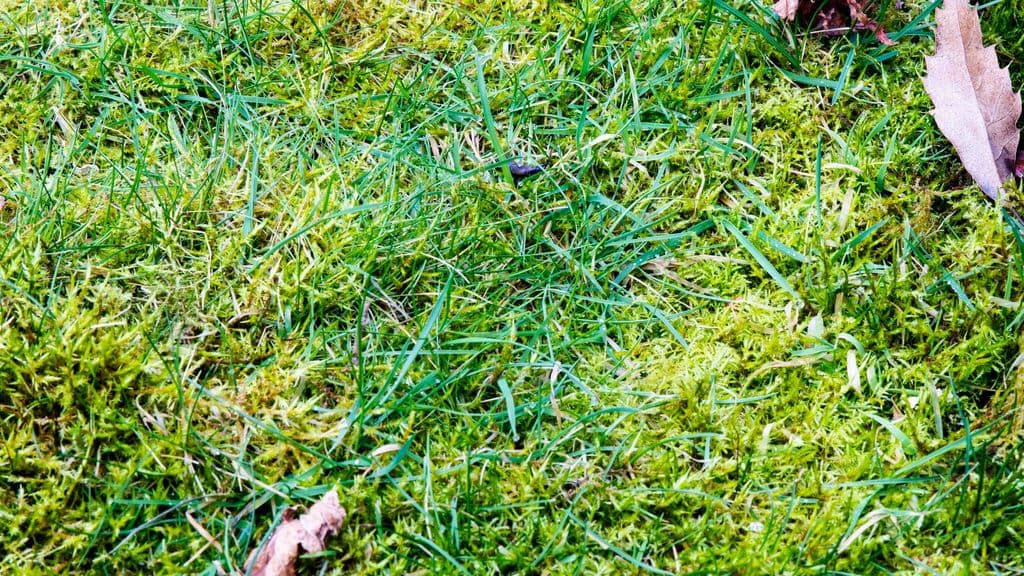
There are a variety of reasons why moss might grow in your lawn, as well as many differing methods of preventing moss and removing it. This is your TopGrass guide to how to prevent moss growth and how to take care of it if you have a moss problem in your lawn.