Top Grass Logo
Lawn Care Packages
Lawn Treatment Services
Lawn Care Guides
Company
ContactLogin

Get a Free Lawn Care Quote

From as little as £13.54 a month

Top Grass Logo

Packages

  • Basic
  • Standard
  • Enhanced
  • Pricing

Lawn Care Hub

  • All Lawn Care Guides
  • Lawn Care Problems
  • Seasonal Guides
  • Lawn Care Tips
  • News

General

  • Services
  • Locations
  • Company
  • Careers
  • Contact
UK Lawn Care Association
© 2026 Topgrass Lawncare. All rights reserved.|Privacy Policy|Terms & Conditions|Terms and Conditions of Service
Website Design and Development by sturdy.build
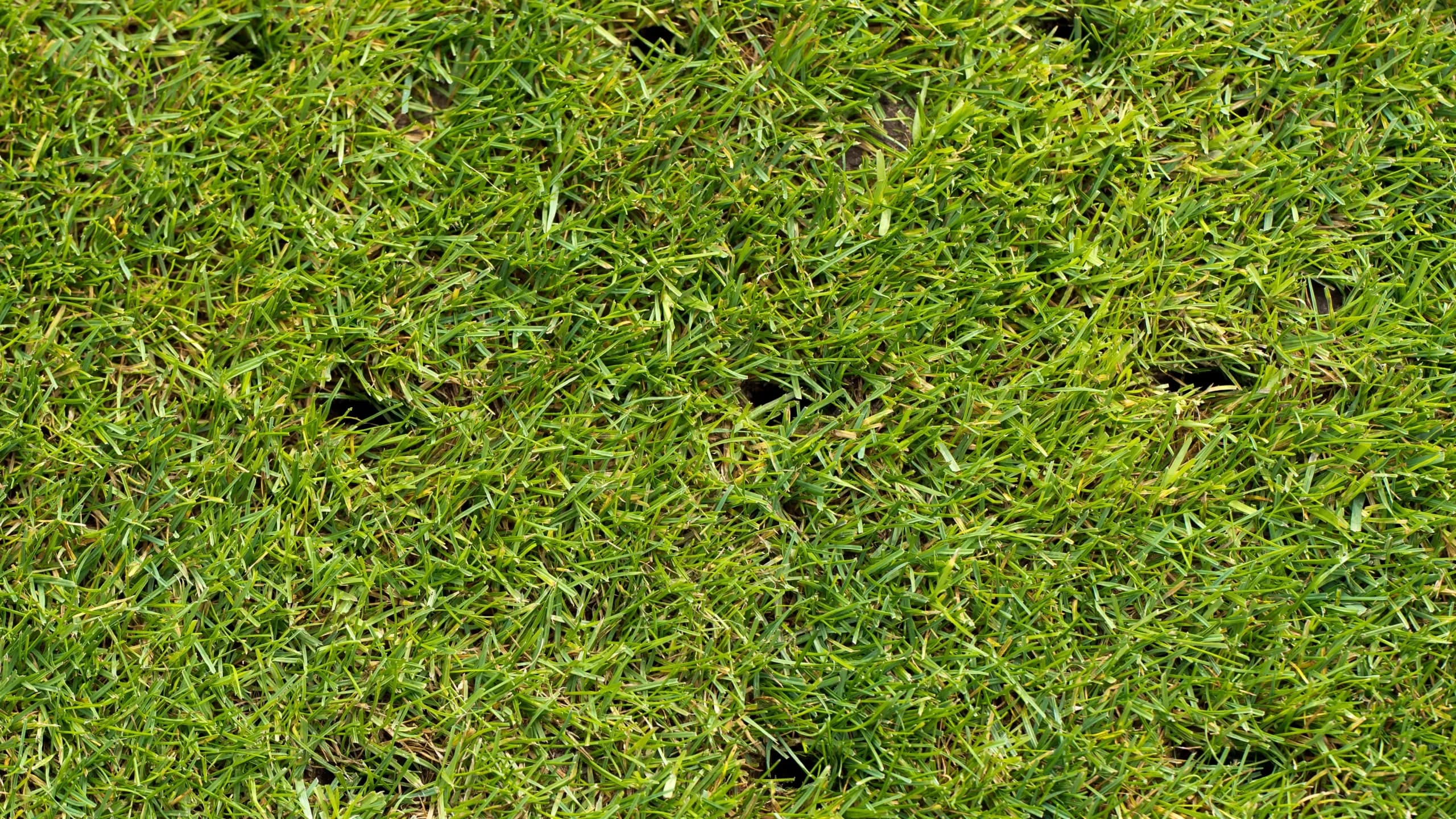
Lawn with aeration holes in it
Problems & Solutions

Compacted Soil: When & How to Aerate Your Lawn

This is your TopGrass guide to compacted soil, the reasons why your soil is compacted and how to solve the issue!

By Peter Arnold•29 October 2025•Updated 12 February 2026•6 min read

A lush, green lawn isn’t just about mowing and watering — it’s about what’s happening beneath the surface. Soil health is the foundation of strong a lawn, and one of the biggest threats to that foundation is compaction. Compacted soil silently suffocates grass roots, limits water absorption, and encourages weeds and moss. The good news? Aeration can reverse the damage. In this guide, we’ll explore what compacted soil is, how to recognise it, and the best times and methods to aerate your lawn for lasting results.
What is Compacted Soil?

Causes of Compaction

  • Foot traffic: Children playing, pets running, or regular garden use.
  • Heavy equipment: Cars parked on grass, wheelbarrows, or even repeated mowing.
  • Soil type: Clay soils are especially prone to compaction because their fine particles bind tightly.
  • Weather: Wet conditions followed by pressure (walking or machinery) compress soil more quickly.
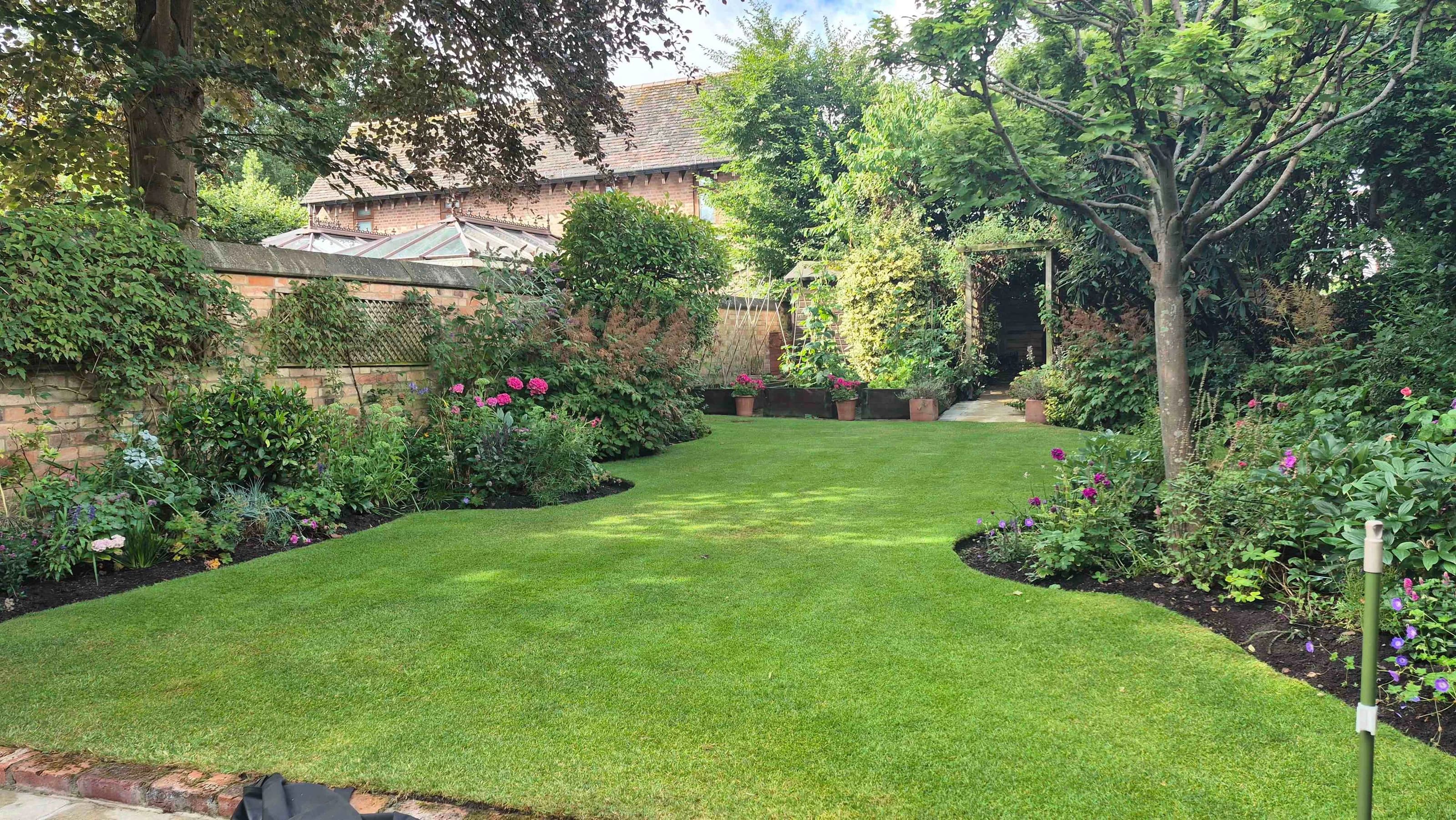
Image of UK lawn in the summer, freshly mown and surrounded by flower beds

Impact on Lawn Health

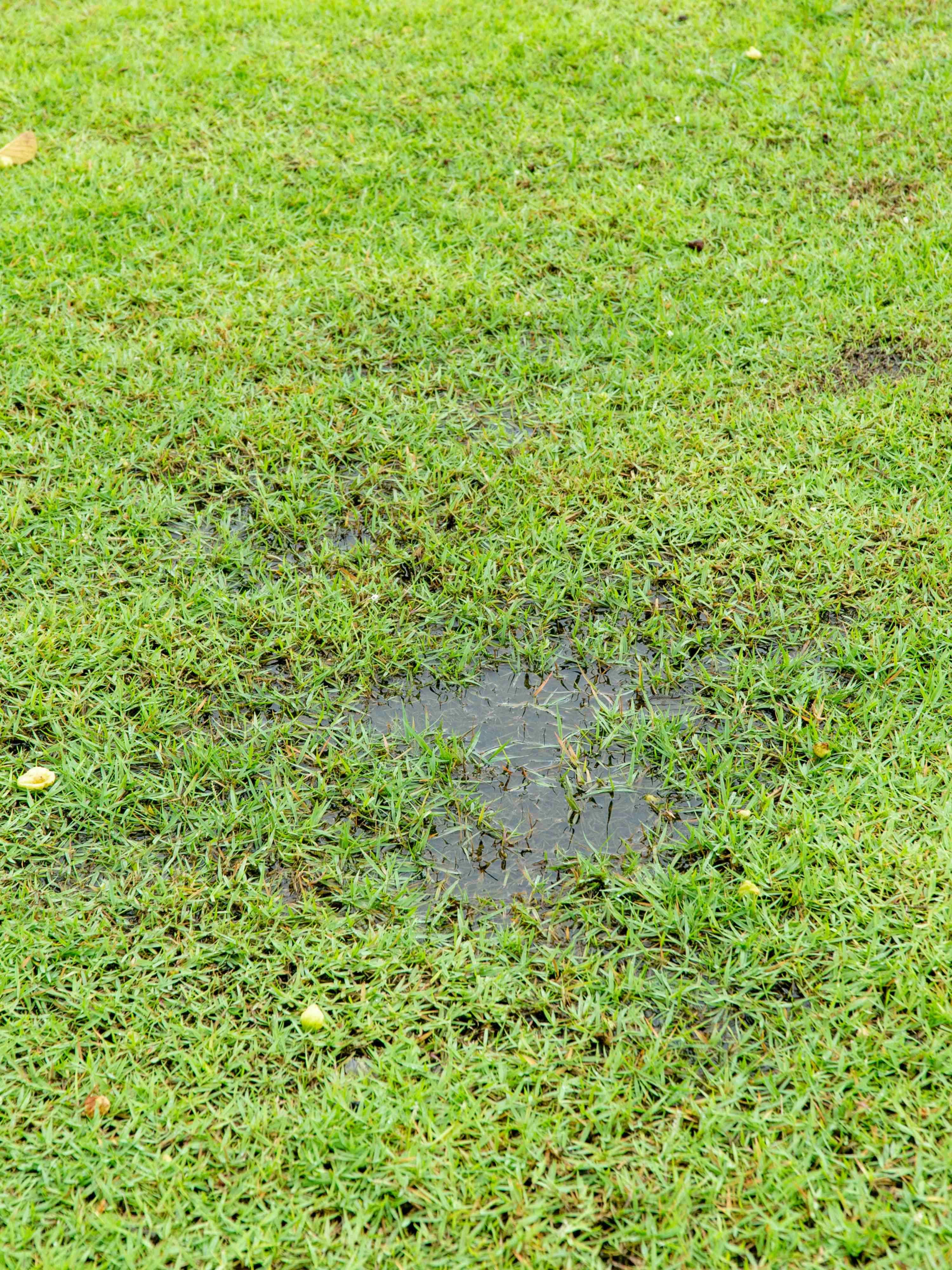
  • Poor drainage: Water pools on the surface, leading to puddles and moss growth.
  • Restricted root growth: Roots remain shallow, weakening grass resilience.
  • Nutrient lock-up: Fertilisers cannot penetrate effectively.
  • Weed invasion: Opportunistic plants thrive where grass struggles.
Image of waterlogged lawn causing puddling

Signs Your Lawn is Compacted

Healthy soil should be loose, airy, and full of microscopic channels that allow water, oxygen, and nutrients to reach grass roots. When soil becomes compacted, these channels collapse, restricting growth and creating conditions where grass struggles to thrive. Spotting compaction early is key to preventing long-term damage and ensuring your lawn remains resilient.

Common Symptoms of Compaction

  • Hard, dense surface
    The lawn feels solid underfoot, almost like walking on concrete. Grass blades may appear flattened because the soil beneath them offers little cushioning.
  • Poor drainage and puddling
    After rainfall or irrigation, water lingers on the surface instead of soaking in. This is a clear sign that the soil pores are blocked, preventing infiltration.
  • Thin, patchy, or discoloured grass
    Grass growth slows, patches appear, and colour fades to yellow or brown. This happens because roots cannot access enough oxygen or nutrients.
  • Increased moss and weed growth
    Moss thrives in damp, compacted conditions where grass struggles. Weeds with shallow root systems, such as dandelions, often outcompete weakened turf.
  • Difficulty mowing or aerating
    If your mower bounces or scalps the lawn, or aeration tools struggle to penetrate, compaction is likely severe.

DIY Tests for Compaction

  • Screwdriver Test
    Push a screwdriver or garden trowel into the soil. In healthy soil, it should slide in easily. If you meet strong resistance after just a few centimetres, compaction is present.
  • Water Infiltration Test
    Pour a small amount of water onto the lawn. In uncompacted soil, it should soak in within seconds. If water pools or remains on the surface for several minutes, the soil structure is too tight.
  • Root Inspection
    Dig up a small section of turf. Healthy grass roots should extend 10–15 cm deep. If roots are shallow (less than 5 cm), they are being restricted by compacted layers.
  • Bounce Test
  • Walk across the lawn. A healthy lawn feels springy underfoot due to air pockets in the soil. A compacted lawn feels firm and unyielding

When to Aerate Your Lawn

Spring (March–May)

  • Best for lawns that suffered compaction or moss growth over winter.
  • Aeration at this time stimulates root activity, helping grass establish resilience before summer wear.
  • Combine with spring feeding and overseeding for maximum benefit.

Autumn (September–October)

  • Considered the prime season for aeration in the UK.
  • Grass is still actively growing, temperatures are mild, and rainfall helps recovery.
  • Ideal for repairing summer damage (dry patches, compaction from foot traffic) and strengthening roots before winter dormancy.
  • Often paired with scarification, overseeding, and autumn fertiliser for a full renovation programme.

Factors to Consider Before Aerating

Soil Type

  • Clay-heavy soils: prone to compaction, benefit from aeration twice a year (spring and autumn).
  • Sandy soils: naturally freer-draining, usually require less frequent aeration.
  • Loam soils: balanced structure, typically once a year is sufficient.

Lawn Use

  • High-traffic lawns (family gardens, sports pitches, dog runs): annual aeration is essential to relieve compaction.
  • Low-use lawns: may only need aeration every 2–3 years, depending on soil type.

Weather Conditions

  • Avoid aerating during droughts (grass is stressed and recovery is slow).
  • Do not aerate when soil is frozen or waterlogged (risk of root damage and machinery issues).
  • Optimal conditions: moist but not saturated soil, mild temperatures, and active grass growth.

Practical Tips for Lawn Aeration

Aeration Methods

  • Hollow-tine aeration: removes plugs of soil, best for relieving deep compaction.
  • Solid-tine: creates channels for air and water, less disruptive, suitable for lighter compaction. This is the method that TopGrass recommends.
  • Slit aeration: slices into the soil, useful for improving drainage and root spread.
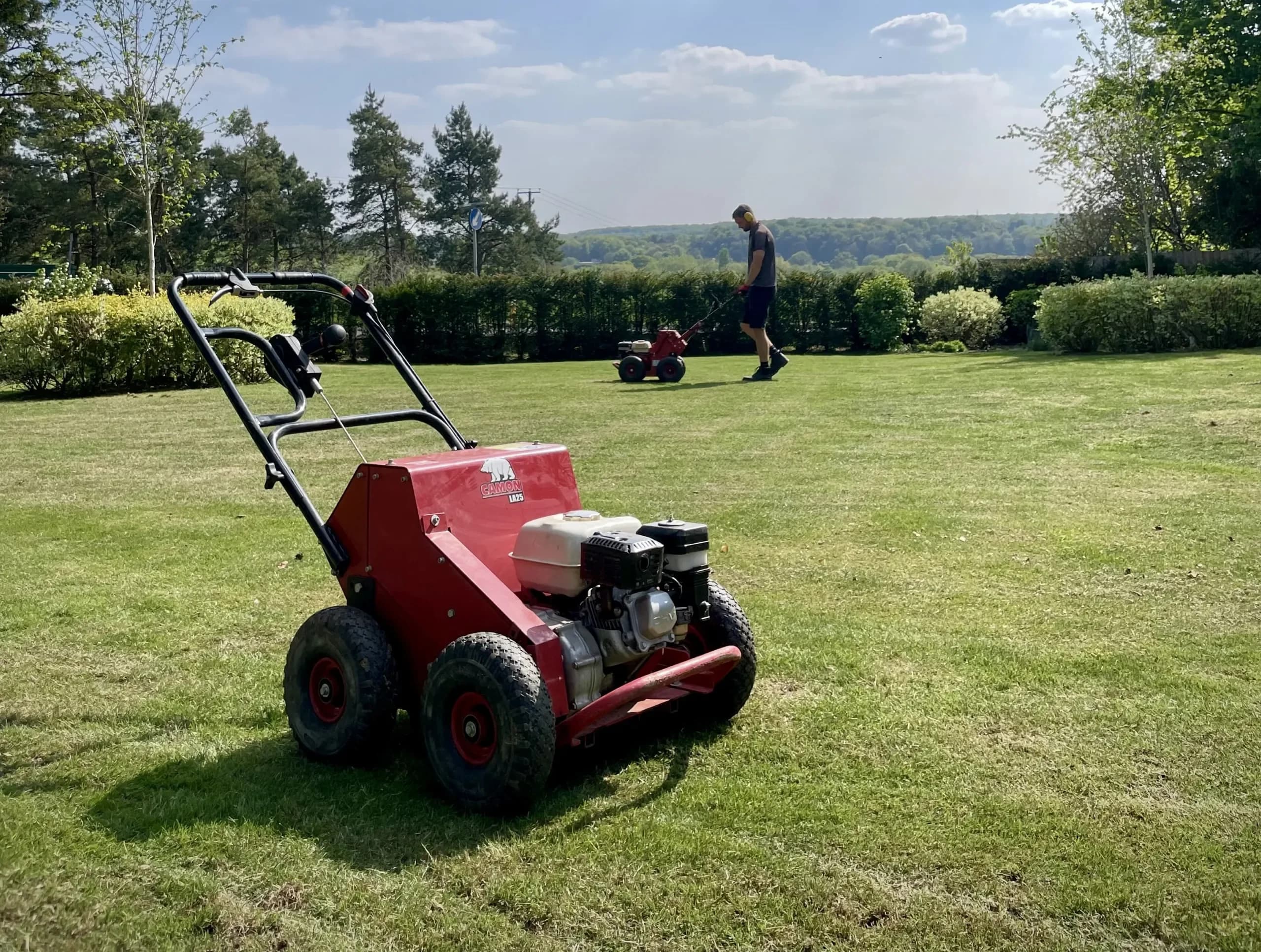
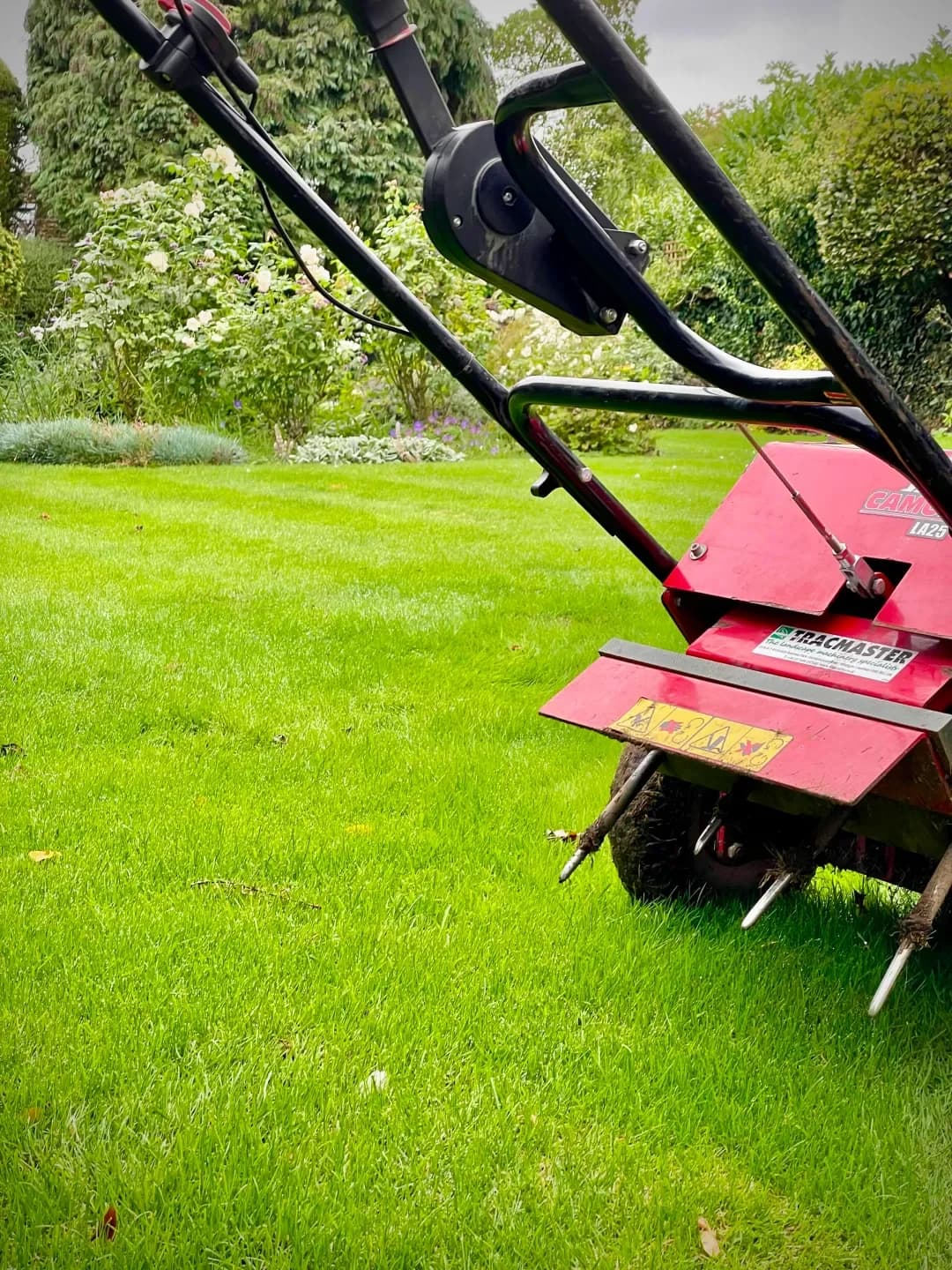
Aerator on UK lawn

Aftercare

  • If hollow-tining brush or rake soil plugs back into the lawn to break down and improve topsoil.
  • Apply fertiliser or top-dressing to take advantage of open soil channels.
  • Overseed immediately after aeration for better seed-to-soil contact.
Lawn with aeration holes in it

Frequency

  • Most UK domestic lawns benefit from aeration once a year.
  • Heavy clay or high-use lawns may need spring and autumn aeration.
  • Monitor lawn health: signs of compaction include puddling, moss growth, and poor drainage.
Image of Aerator

Lawn Aeration is included in our Standard Lawn Care Package

Our Standard Lawn Care Package is a customer favourite, offering routine fertiliser and weed control treatments alongside Lawn Aeration. This essential service reduces soil compaction, enhances drainage, and promotes stronger, deeper root growth. Discover more about the benefits of Lawn Aeration here.

Why Aeration Matters

Aeration is not just about “holes in the ground.” It:

  • Improves oxygen exchange at the root zone.
  • Enhances water infiltration and reduces surface runoff.
  • Encourages deeper root growth, making lawns more drought-resistant.
  • Reduces moss and thatch build-up by improving microbial activity.
  • Creates a healthier, more resilient lawn that withstands seasonal stresses.

Need help with your compacted lawn?

If your lawn shows signs of compaction, don’t wait until grass health declines further. Explore our seasonal lawn care packages for tailored solutions that keep your lawn thriving year-round.

Click here to get your free quotation!

Compacted Soil FAQs

Compacted soil occurs when particles are pressed tightly together, reducing the air pockets that grass roots need to thrive. This leads to poor drainage, shallow root growth, nutrient lock‑up, and increased moss or weed invasion. Healthy soil should feel springy underfoot, while compacted soil feels hard and unyielding.

Common signs include puddling after rain, thin or patchy grass, difficulty inserting a screwdriver into the soil, and increased moss growth. A compacted lawn often feels solid underfoot, almost like concrete, and may cause your mower to bounce or scalp the grass.

The ideal seasons for lawn aeration are spring (March–May) and autumn (September–October). Spring aeration helps lawns recover from winter compaction, while autumn aeration strengthens roots before winter dormancy. Clay soils or high‑traffic lawns may benefit from aeration twice a year

There are three main aeration techniques:

  • Hollow‑tine aeration – removes plugs of soil to relieve deep compaction.
  • Solid‑tine aeration – creates channels for air and water, ideal for lighter compaction (recommended by TopGrass).
  • Slit aeration – slices into the soil to improve drainage and root spread.

Each method improves oxygen exchange, water infiltration, and root development

Most UK domestic lawns benefit from aeration once a year. Heavy clay soils or lawns with frequent foot traffic may need aeration in both spring and autumn. Regular aeration reduces moss growth, improves drainage, and promotes deeper, healthier roots that resist weeds and seasonal stress.
Related Articles

Yellow Grass: Nutrient Deficiency Solutions
29 October 2025•By Peter Arnold

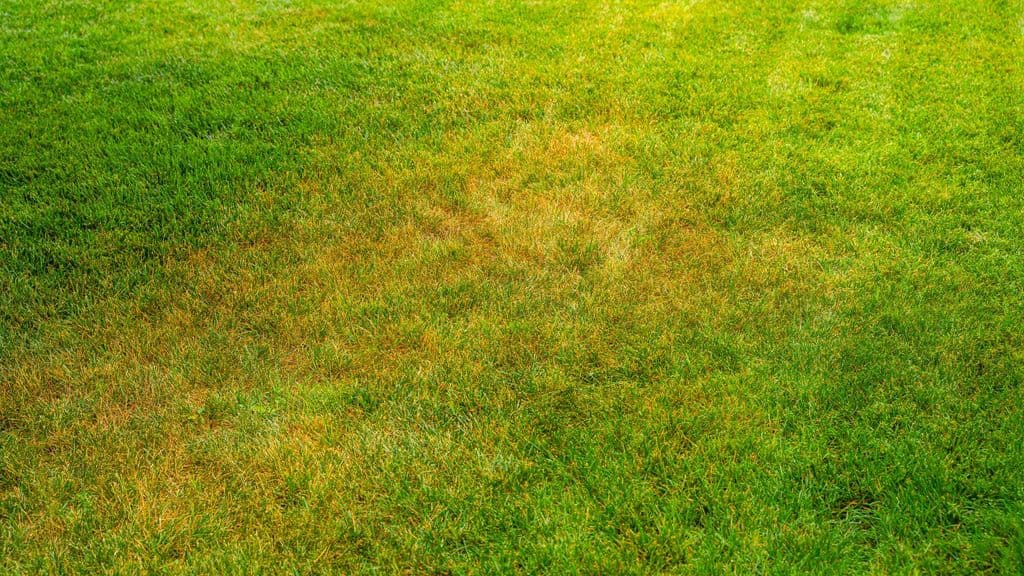
Yellow Grass: Nutrient Deficiency Solutions

Yellowing of grass can be caused by a number of reasons, from nutrient imbalances to seasonal stress. In this guide, TopGrass will run through the causes of yellow grass and the methods of reviving your yellowing lawn.
Moss in Lawns: Prevention & Removal Guide
29 October 2025•By Peter Arnold

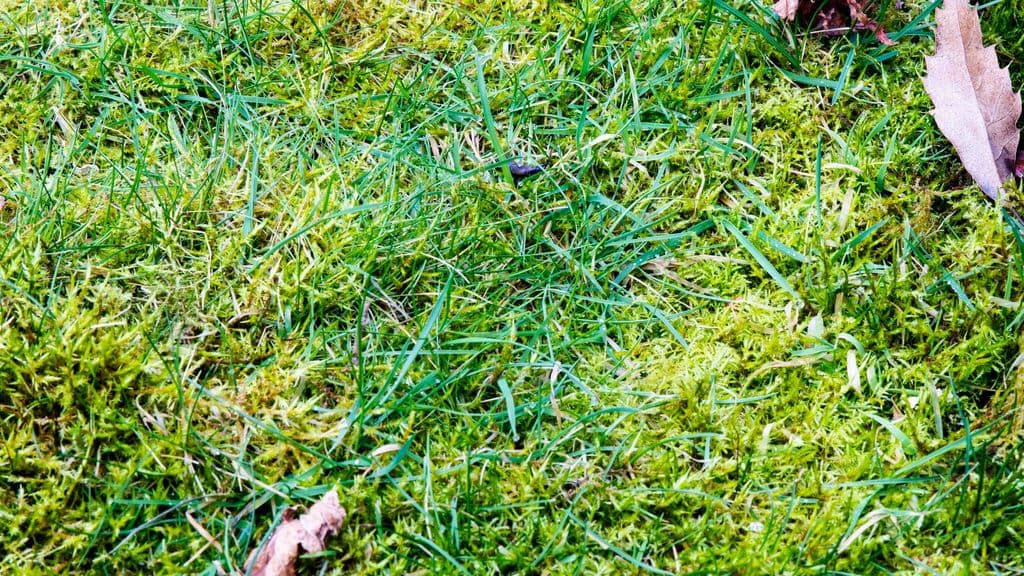
Moss in Lawns: Prevention & Removal Guide

There are a variety of reasons why moss might grow in your lawn, as well as many differing methods of preventing moss and removing it. This is your TopGrass guide to how to prevent moss growth and how to take care of it if you have a moss problem in your lawn.
Brown Patches in Lawns: Causes, Identification & Solutions
21 October 2025•By Peter Arnold

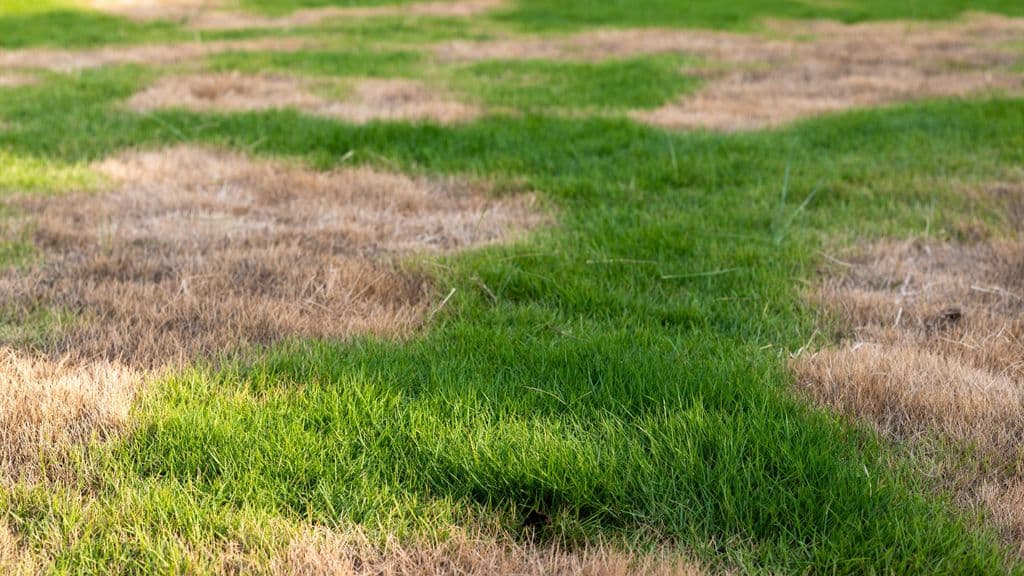
Brown Patches in Lawns: Causes, Identification & Solutions

This is your TopGrass guide on how to identify brown patches in your lawn and how to solve them.