
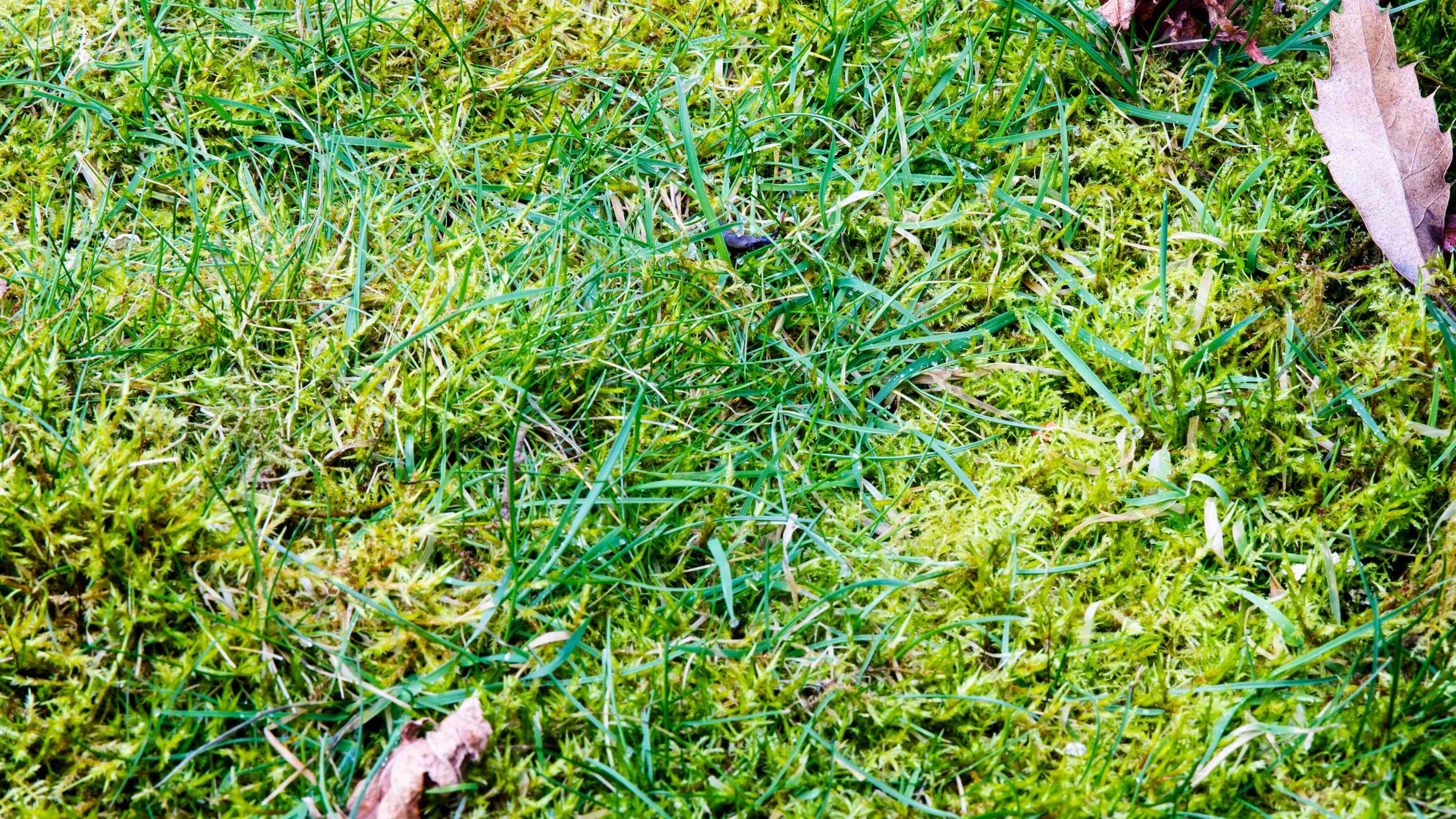
There are a variety of reasons why moss might grow in your lawn, as well as many differing methods of preventing moss and removing it. This is your TopGrass guide to how to prevent moss growth and how to take care of it if you have a moss problem in your lawn.
Moss in lawns is one of the most common frustrations for UK homeowners. While moss itself isn’t harmful, its presence signals underlying lawn issues such as poor drainage, shade, or compacted soil. Left untreated, moss can outcompete grass, leaving your lawn patchy and uneven.
This guide explains why moss appears, how to prevent moss in grass, and the most effective moss control methods to restore a healthy, green lawn.
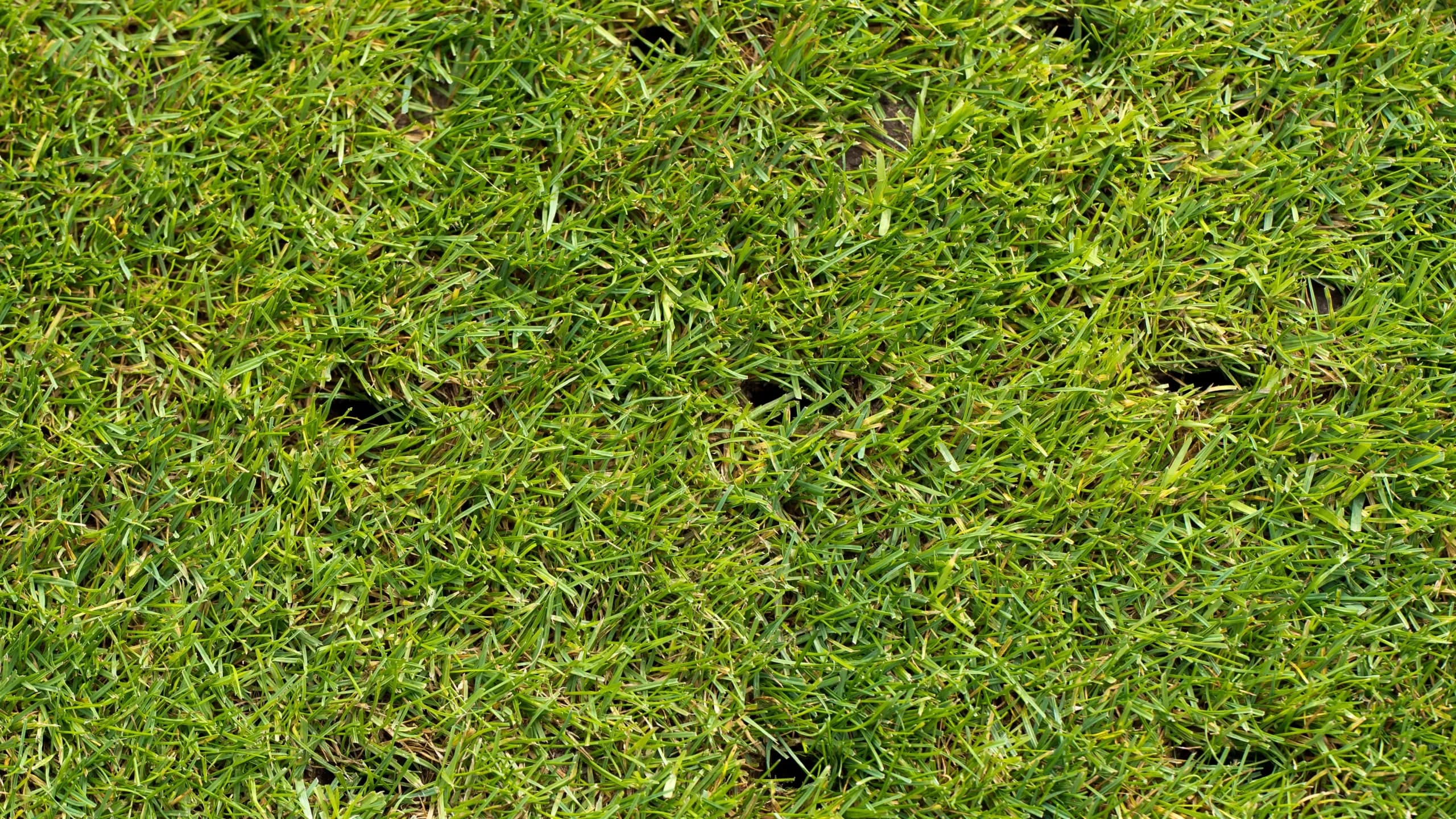
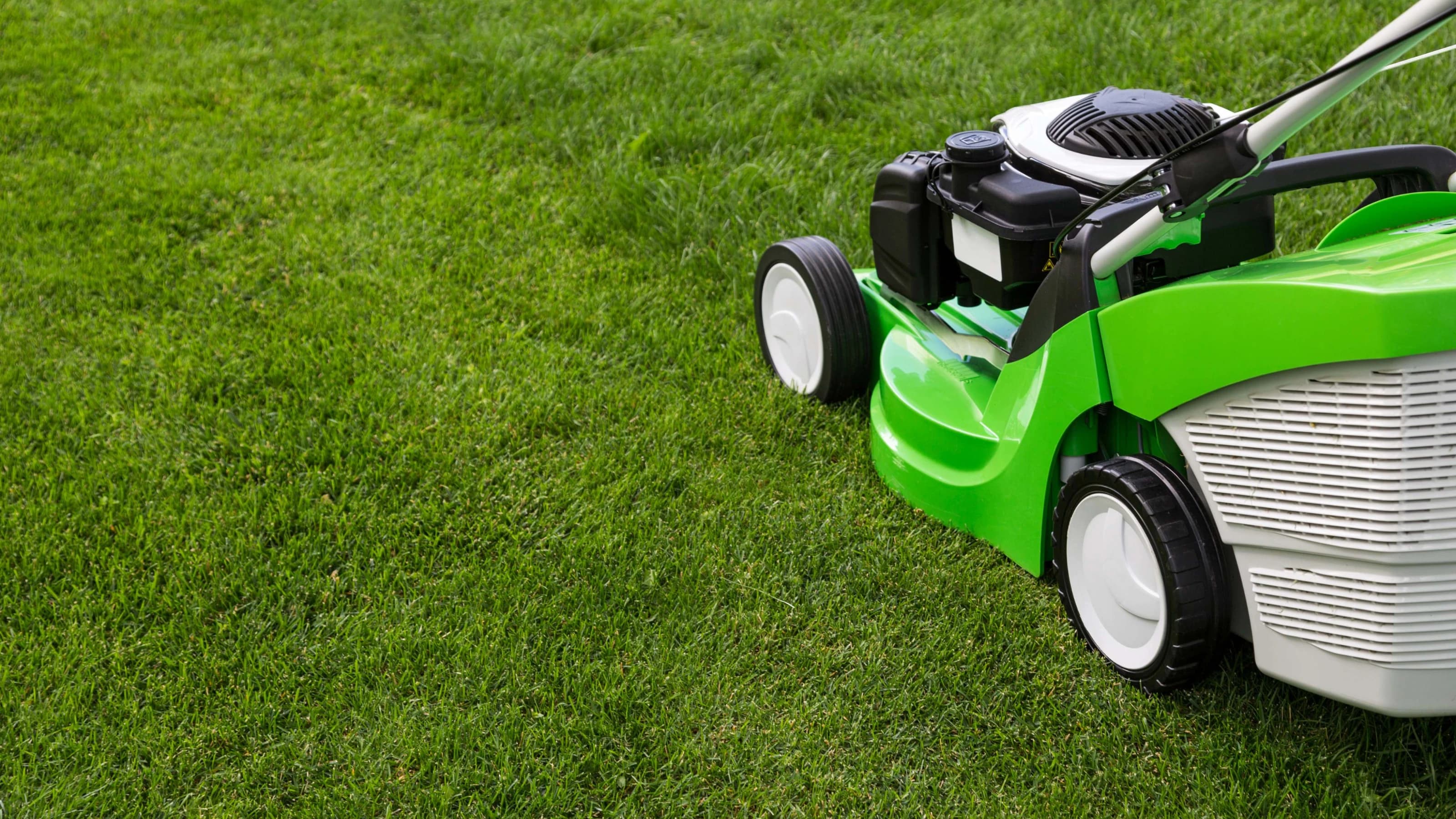
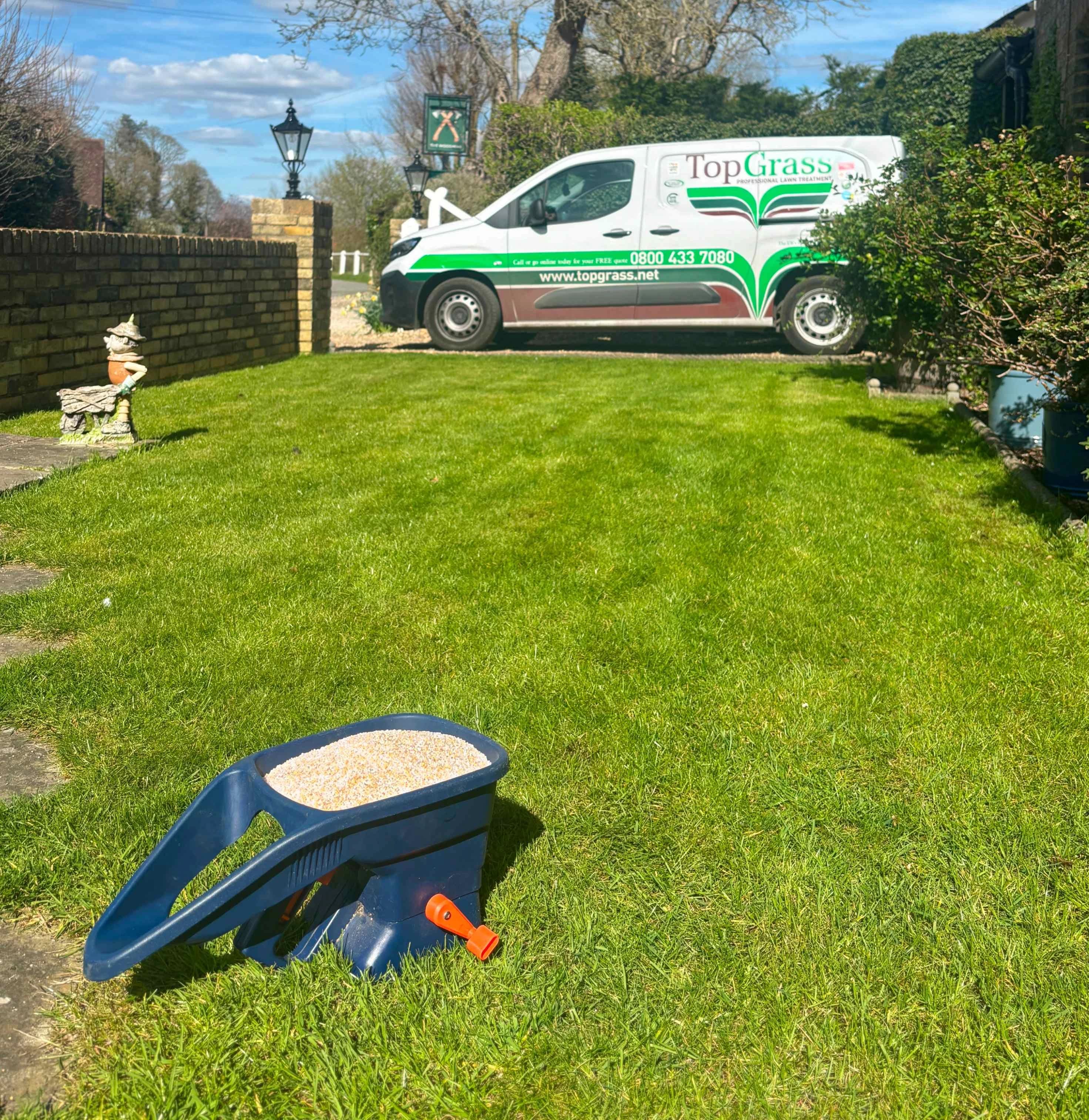
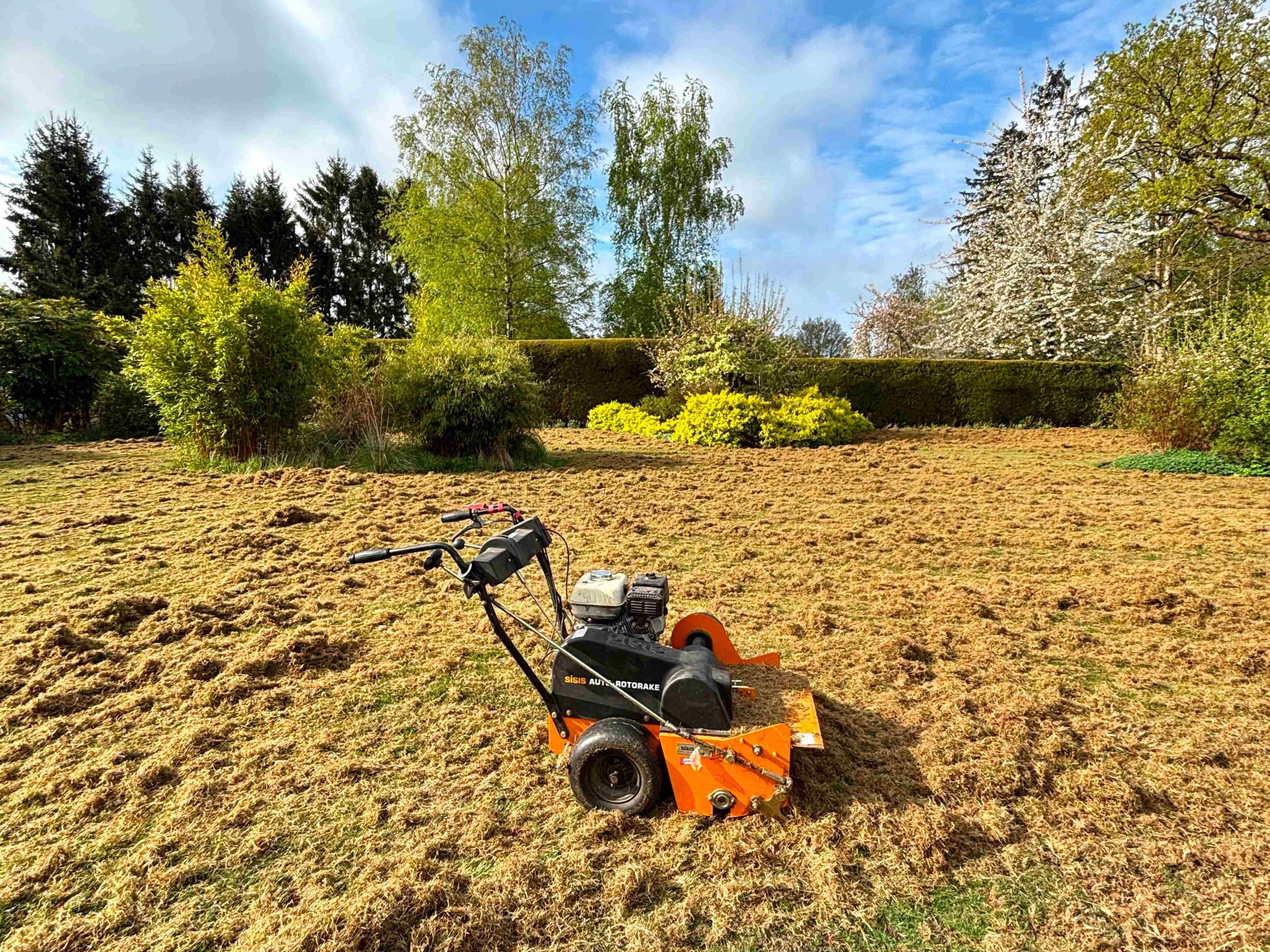
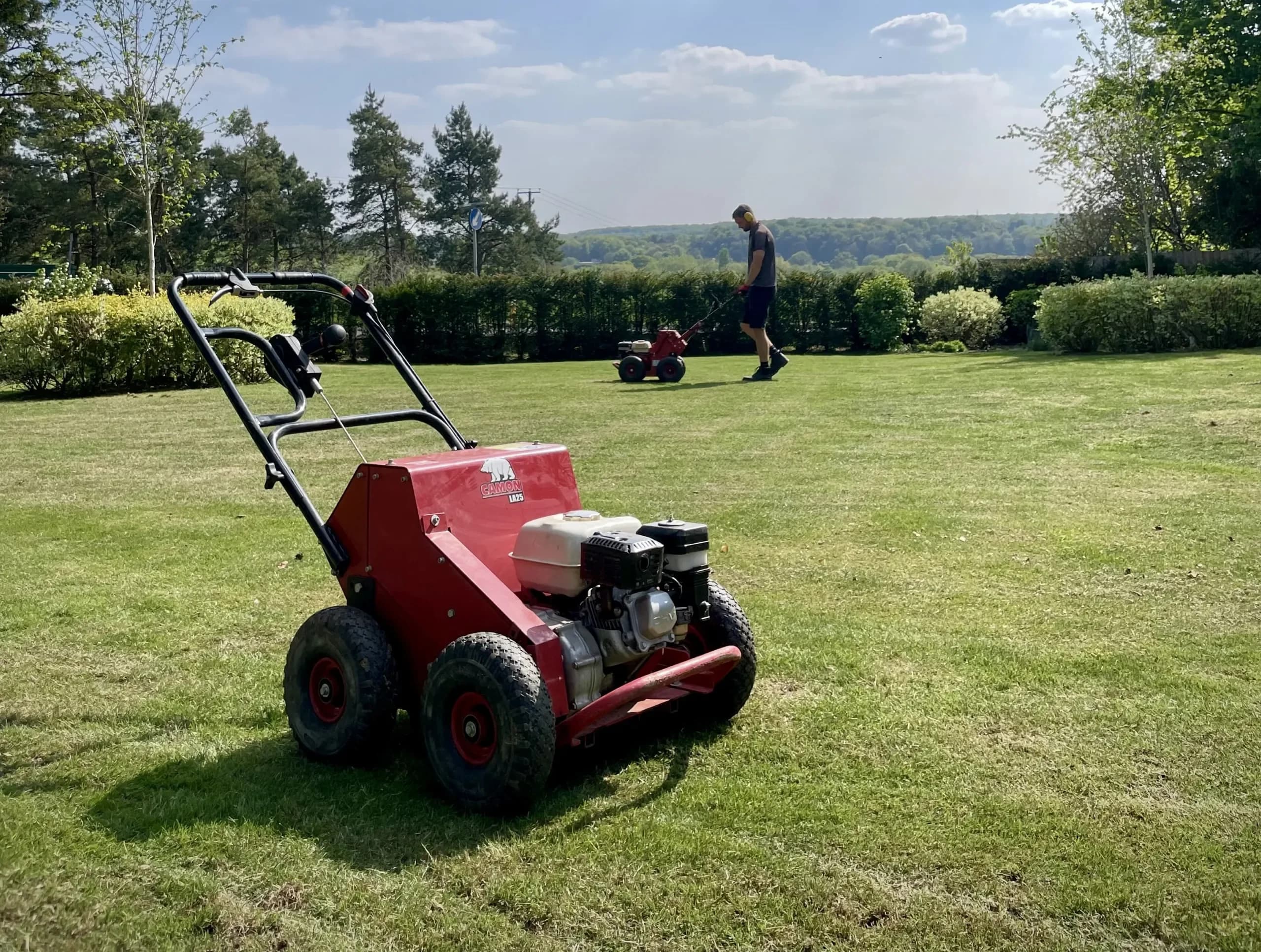
At TopGrass, we provide a range of scarification packages designed to suit the moss levels of your lawn. Our services include:
Removing moss is only half the battle. To prevent recurrence:
• Overseed bare patches: Encourages thick regrowth and reduces gaps where moss can return.
• Follow a maintenance calendar: Seasonal feeding, mowing, and aeration keep grass strong.
• Promote dense grass cover: Healthy grass naturally suppresses moss growth.
A proactive approach ensures your lawn remains resilient against moss year after year.
Contact TopGrass today for a free lawn assessment or seasonal moss treatment package. Our eco-friendly solutions restore lawns sustainably, giving you a vibrant, moss-free garden to enjoy.
Moss in lawns is usually a sign of underlying issues such as poor drainage, compacted soil, shade, or low fertility. Heavy clay soils, frequent rainfall, and shaded areas create damp conditions where grass struggles, allowing moss to thrive. Seasonal factors like cool, wet autumns and mild winters in the UK further accelerate moss growth.
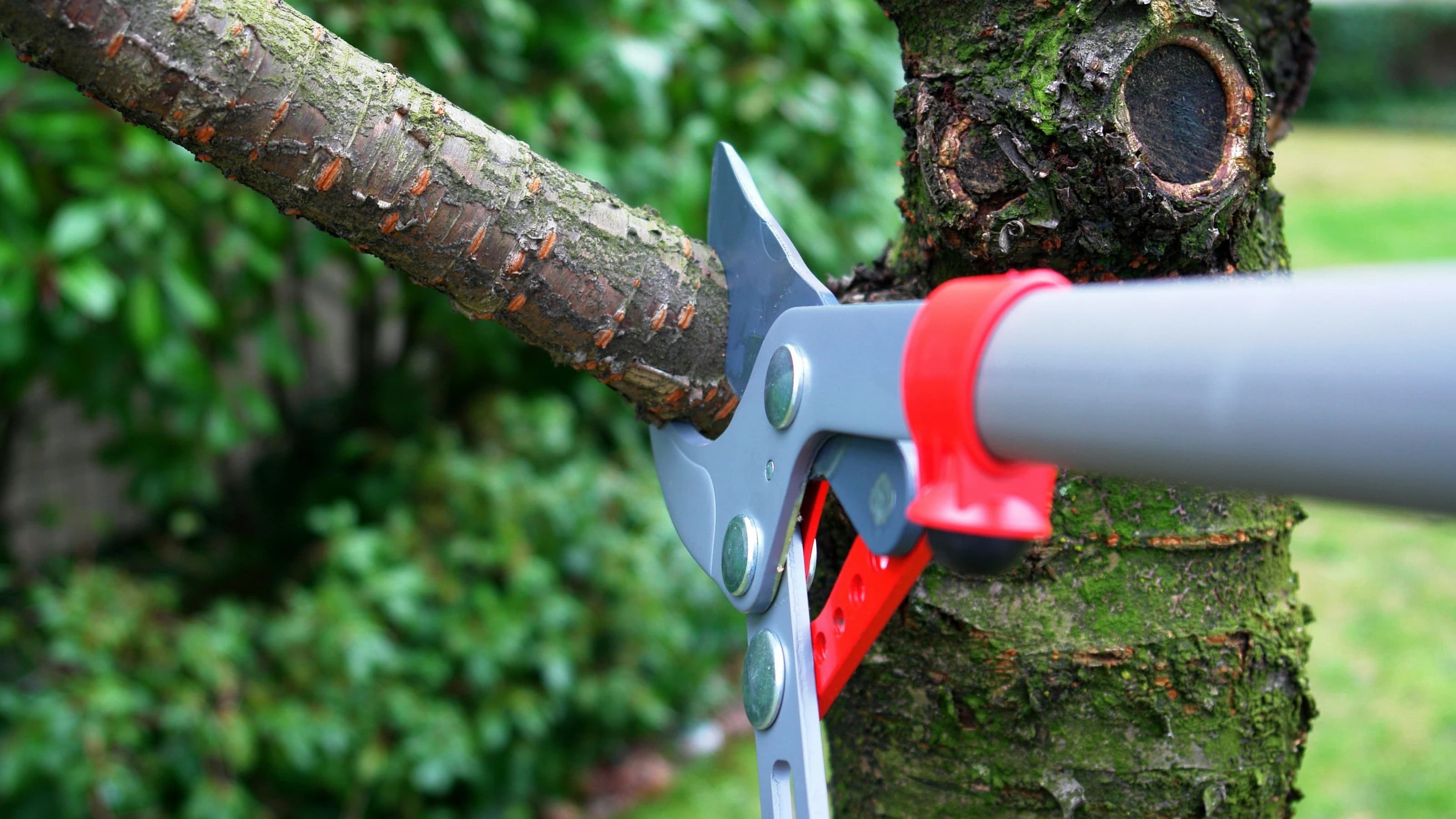
To prevent moss in grass, focus on improving lawn health. Key strategies include aerating compacted soil, topdressing with sand or compost to improve drainage, mowing at the correct height, scarifying to remove thatch, pruning trees to reduce shade, and applying balanced fertiliser in spring and autumn. Healthy, dense grass naturally suppresses moss.
Manual removal methods such as raking or scarifying are effective for lifting moss and thatch. These should be carried out in spring or autumn when grass growth is strong enough to recover. After moss removal, overseed bare patches and apply fertiliser to encourage regrowth. For persistent moss problems, professional lawn care services can provide tailored treatments.
Scarification is the mechanical removal of moss and thatch from the lawn surface. It improves airflow, nutrient penetration, and reduces disease risk. By opening up the turf, scarification strengthens grass roots and creates conditions less favourable for moss. TopGrass offers scarification packages ranging from light maintenance to full reseeding, depending on the severity of moss.
The most effective times to tackle moss are spring and autumn. In spring, grass growth is strong, helping the lawn recover quickly after scarification or moss removal. Autumn treatments prepare the lawn for winter, strengthening grass roots and reducing moss spread during damp, cool months. Avoid moss removal in summer droughts or during winter dormancy, as grass may struggle to regrow.
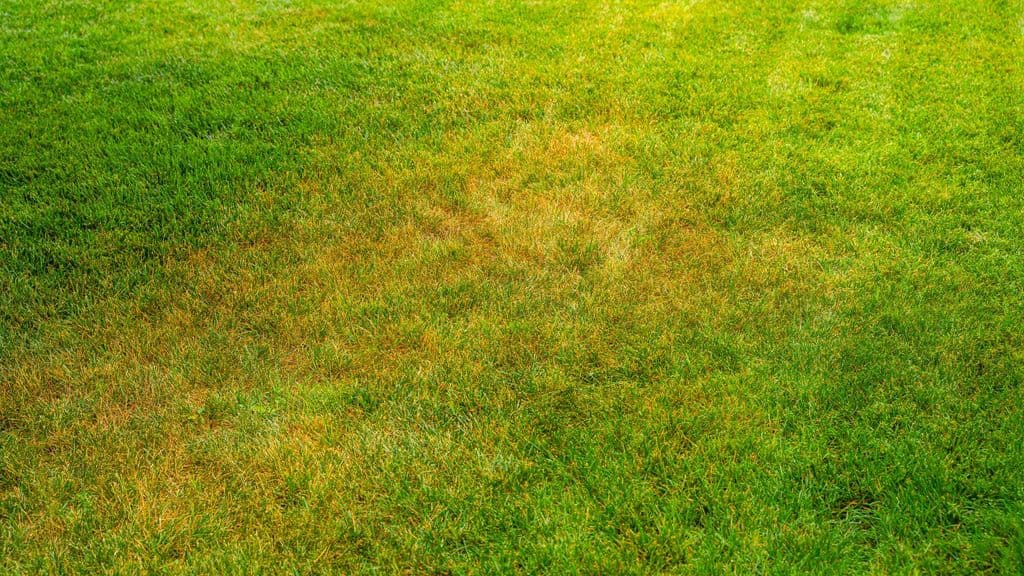
Yellowing of grass can be caused by a number of reasons, from nutrient imbalances to seasonal stress. In this guide, TopGrass will run through the causes of yellow grass and the methods of reviving your yellowing lawn.
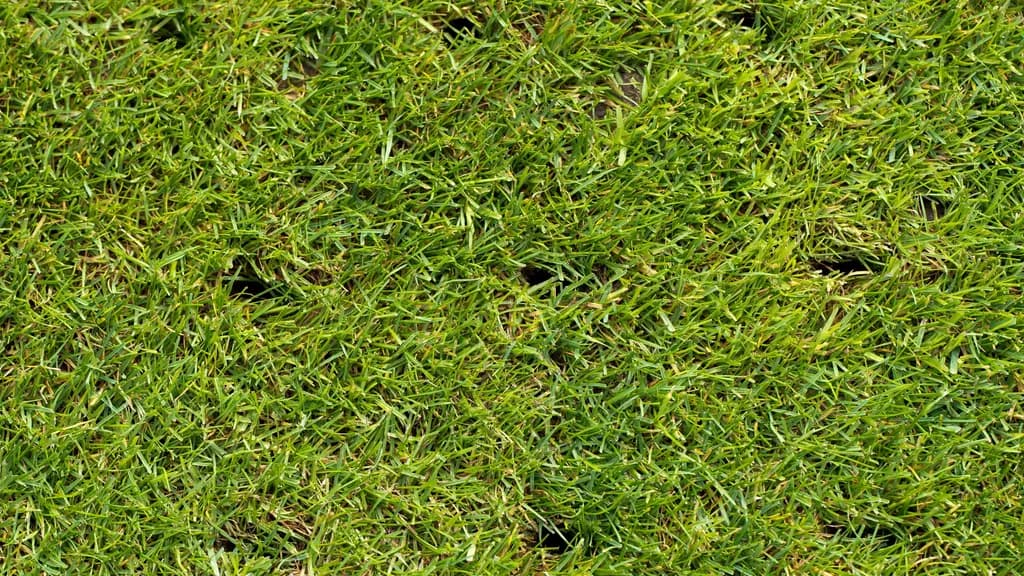
This is your TopGrass guide to compacted soil, the reasons why your soil is compacted and how to solve the issue!
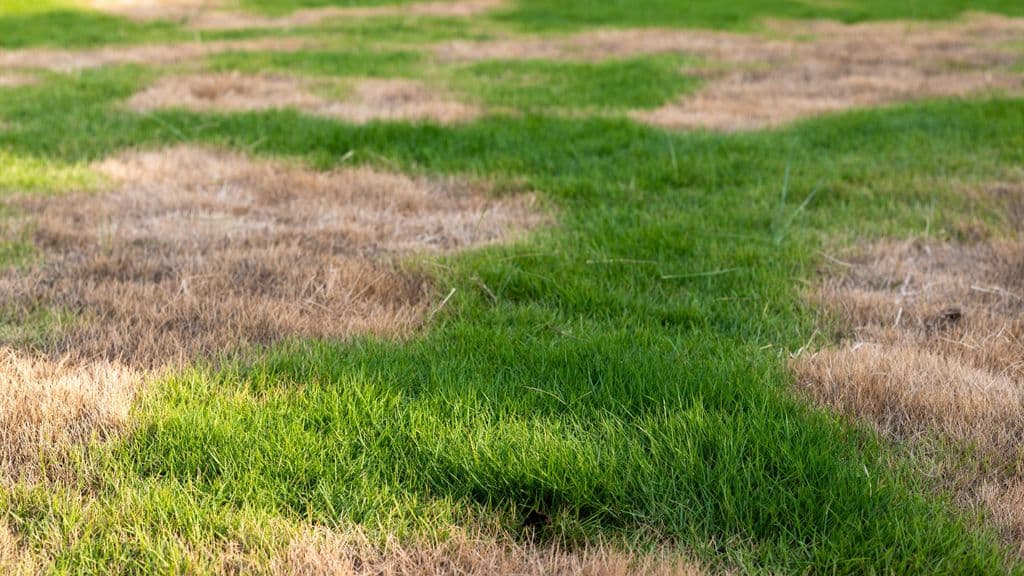
This is your TopGrass guide on how to identify brown patches in your lawn and how to solve them.