Top Grass Logo
Lawn Care Packages
Lawn Treatment Services
Lawn Care Guides
Company
ContactLogin

Get a Free Lawn Care Quote

From as little as £13.54 a month

Top Grass Logo

Packages

  • Basic
  • Standard
  • Enhanced
  • Pricing

Lawn Care Hub

  • All Lawn Care Guides
  • Lawn Care Problems
  • Seasonal Guides
  • Lawn Care Tips
  • News

General

  • Services
  • Locations
  • Company
  • Careers
  • Contact
  • Our Trusted Suppliers
UK Lawn Care Association
© 2026 Topgrass Lawncare. All rights reserved.|Privacy Policy|Terms & Conditions|Terms and Conditions of Service
Website Design and Development by sturdy.build
Image of scarifier on a lawn that has been scarified
Problems & Solutions

Lawn Renovation & Repair Guide: Restore Your Damaged Lawn

This is your TopGrass guide to how to restore your damaged lawn with renovation!

By Peter Arnold•21 October 2025•Updated 28 April 2026•7 min read

A tired, patchy, weed-ridden lawn can feel overwhelming—but almost any lawn can be rescued with the right approach. Whether you’re dealing with bare patches, thinning grass, compaction, weeds, moss, drainage issues, or general neglect, a proper lawn renovation can completely transform your outdoor space.

This comprehensive lawn restoration guide explains how to diagnose problems, choose the right level of repair, and follow proven step-by-step lawn renovation steps that deliver long-lasting results. Ideal for both beginners and keen DIY gardeners, this guide will help you confidently restore a damaged lawn to full health.

Key Signs Your Lawn Needs Renovation

Before any renovation begins, it’s essential to understand the underlying issues. At TopGrass, we carry out a thorough inspection to identify the causes of decline and tailor the right repair strategy.
Patchy or Thinning Grass

  • Large bare spots or irregular tufts of growth that don’t fill in naturally.
  • Grass blades appearing sparse, weak, or easily uprooted.
  • A lawn that looks uneven in density, with some areas lush and others noticeably thin.
  • Persistent thinning despite regular mowing and reseeding attempts.
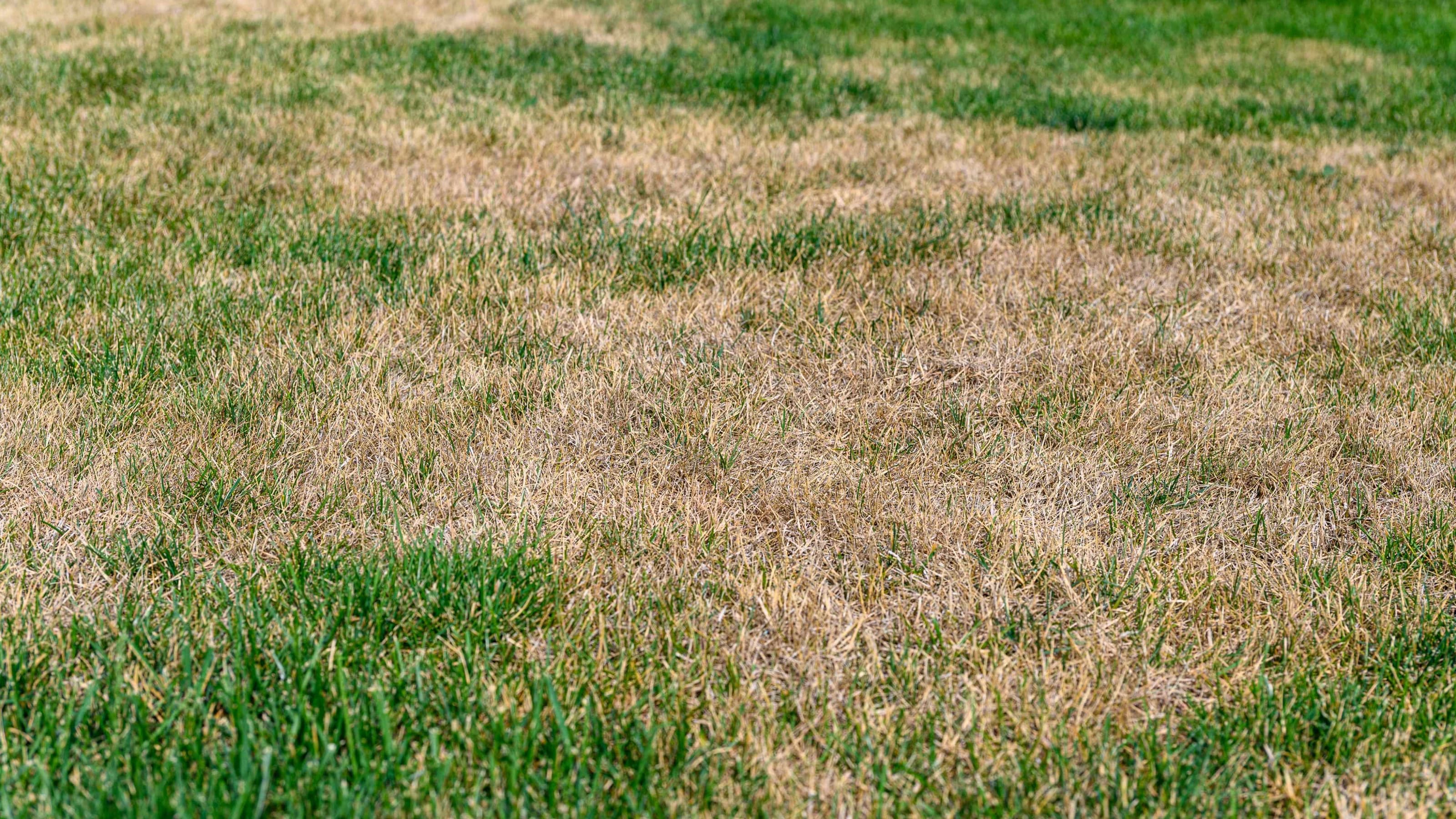
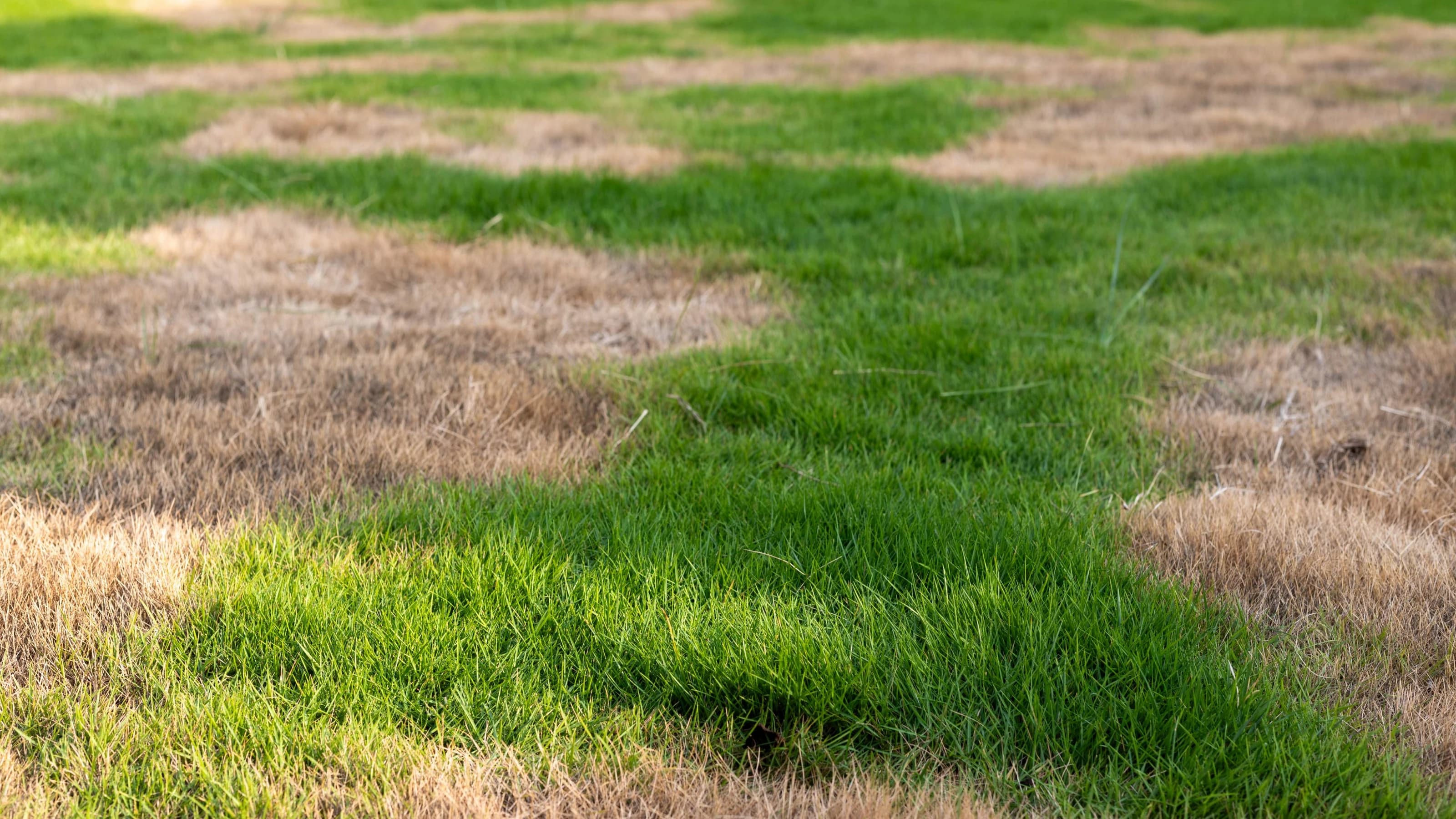
Green Lawn with Brown Spots

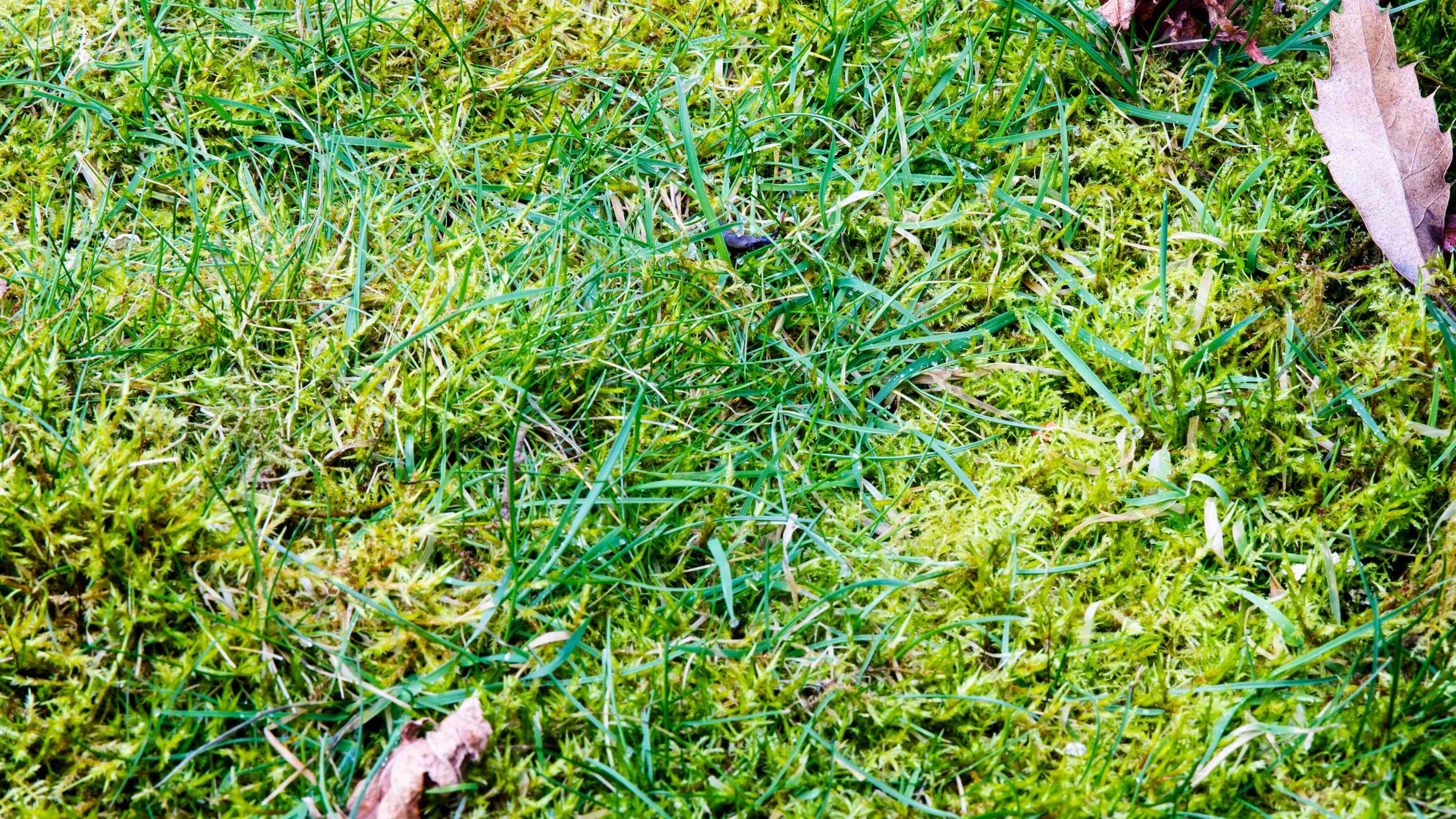
Persistent Moss

  • Moss forming thick, velvety carpets, especially in shaded or damp areas, crowding out grass.
  • A lawn surface that feels spongy or uneven due to moss dominance.
  • Moss returning season after season, even after routine lawn care, signalling deeper underlying issues.
  • Grass coverage visibly reduced as moss steadily takes over, leaving the lawn looking dull and uneven.
Close up image of lawn that is infested with moss

Discolouration

  • Yellowing or browning patches that persist despite adequate watering.
  • Grass that fades unevenly, with some areas looking dull or lifeless compared to others.
  • Signs of stress such as brittle blades, thinning colour, or streaky patches.
  • Discolouration recurring season after season, not just during extreme weather.
Patchy grass, lawn in bad condition and need maintenance.

Seasonal Decline

  • Grass failing to rebound after winter frost, leaving a dull or patchy surface.
  • Summer heat causing prolonged die‑back rather than temporary stress.
  • A lawn that takes months to recover from seasonal extremes, or never regains full vigour.
  • Noticeable decline in resilience year after year, with weaker regrowth cycles.
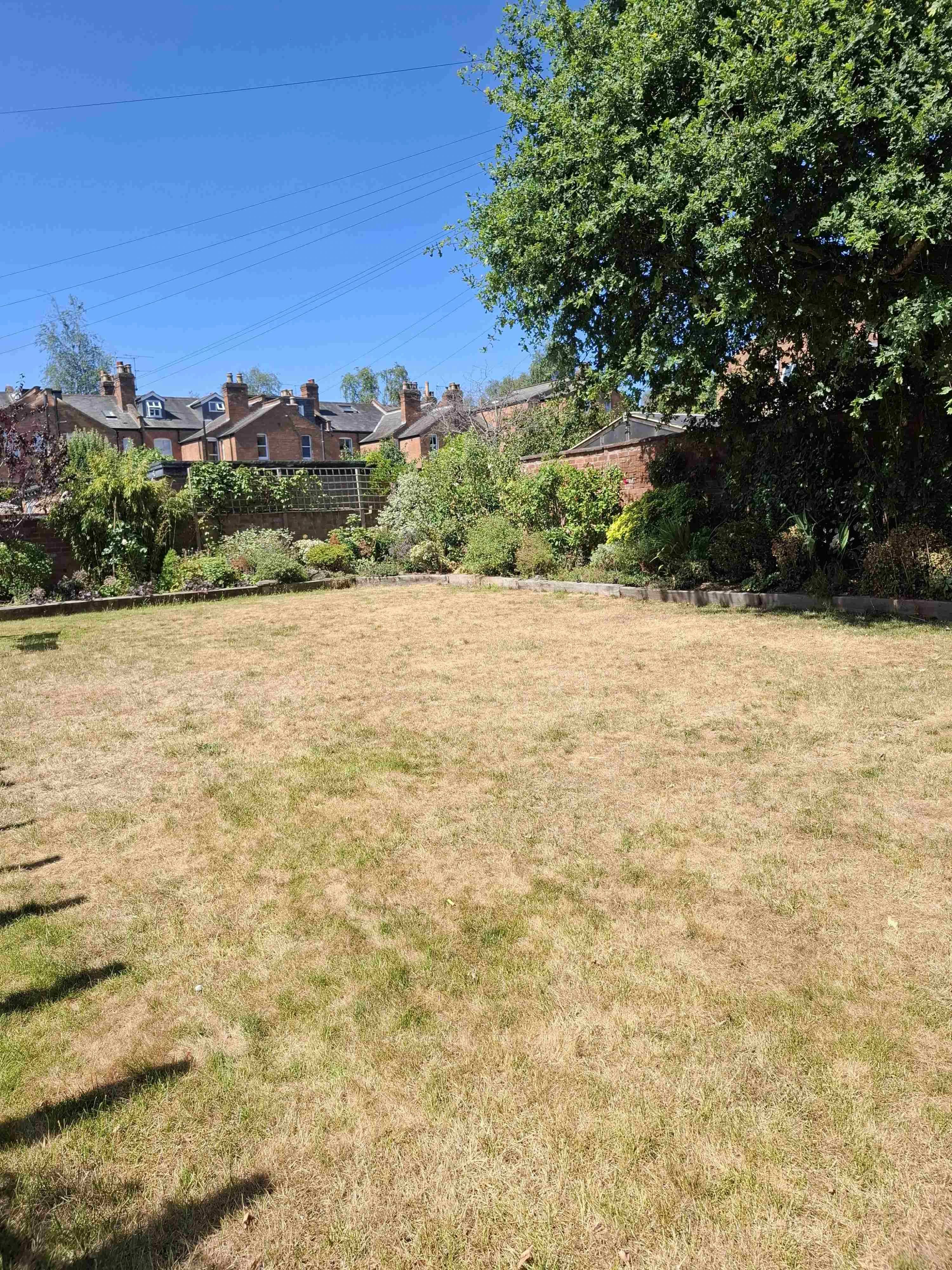
Image of lawn suffering from drought damage

Excessive Thatch

  • A dense, spongy layer of dead grass stems, roots, and organic matter building up between the soil and living grass.
  • Lawn feels springy or bouncy underfoot, almost like walking on a mat.
  • Grass roots struggling to penetrate the soil, leading to shallow growth and weaker plants.
  • Water and nutrients failing to reach the soil effectively, often causing dry patches despite regular watering.
  • Visible brown layer when you pull back the grass surface, showing thatch thicker than half an inch.
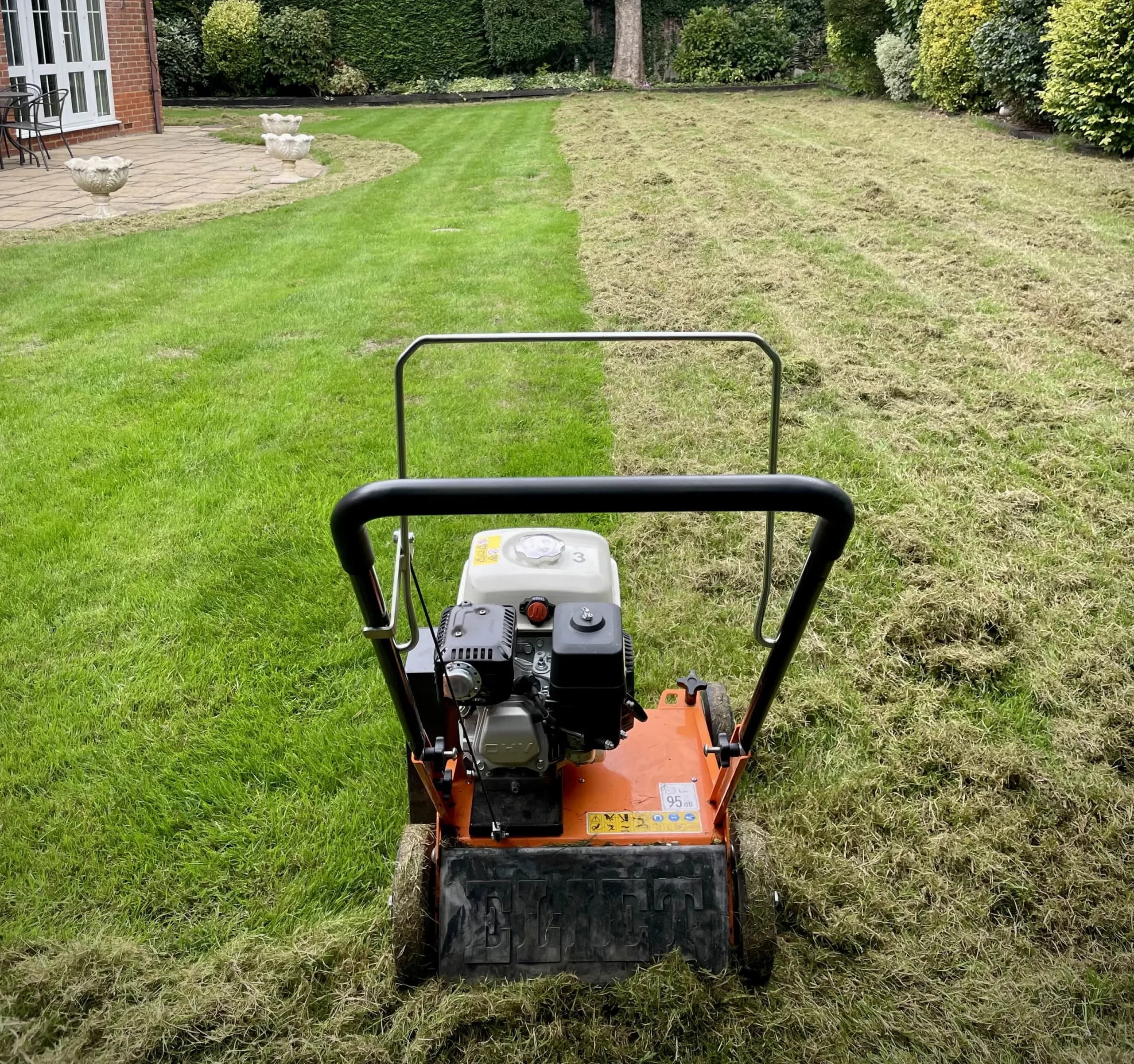
Image of scarifier on a lawn in the UK that has been half scarified

Step‑by‑Step Lawn Renovation Process

Step 1 – Preparing the Lawn for Scarification

Scarification is one of the most effective ways to rejuvenate a lawn, but preparation is key to achieving the best results.

Here’s how to prepare:

  • Mow the lawn short: Cut the grass down to a lower height than usual. This makes it easier for scarification equipment to reach the thatch and moss.
  • Clear debris: Remove leaves, twigs, and any surface clutter to ensure the scarifier can work evenly.
  • Check soil moisture: The lawn should be slightly moist but not waterlogged. Scarifying on very dry or very wet soil can damage grass roots.
  • Apply a Pre-Renovation Treatment: For lawns that are heavy with moss, TopGrass applies a Pre-Renovation Moss Control that helps to stop the spread of moss spores when scarification happens. This is a part of both our Lawn Improver and Total Reseed Services

Step 2 – Scarification

Scarification removes moss, thatch, and organic debris that suffocate grass. This process opens up the lawn surface, allowing new growth to thrive.

The benefits include:

  • Removes suffocating layers: Moss and thatch trap moisture and block airflow, encouraging disease and weak grass.
  • Encourages stronger roots: By opening the soil surface, roots can grow deeper and more resilient.
  • Boosts lawn density: Scarification clears space for new shoots, thickening the turf and reducing bare patches.

Step 3 – Aeration

Compacted soil prevents water, air, and nutrients from reaching grass roots. Aeration relieves this compaction by creating small holes in the soil, encouraging deeper root growth and improved drainage.

TopGrass uses professional aeration equipment to achieve consistent results across your lawn—something that’s difficult to replicate with DIY tools

Step 4 – Overseeding

After scarification, your lawn may look sparse. Overseeding restores density by introducing high‑quality grass seed into the soil. This strengthens the turf, fills bare patches, and improves resilience against weeds.

TopGrass uses carefully selected seed blends suited to UK conditions, ensuring long‑lasting results.

Step 5 – Fertilisation

Healthy regrowth depends on balanced nutrition. Applying the right fertiliser replenishes essential nutrients, supporting strong, vibrant grass.

TopGrass provides professional‑grade fertilisation treatments tailored to seasonal needs, giving your lawn the boost it needs to recover quickly.

Step 6 – Ongoing Care

Lawn renovation isn’t a one‑off fix. Regular treatments, seasonal adjustments, and consistent care are vital to maintaining results.

With TopGrass lawn services, you save time and effort while ensuring your lawn receives expert attention year‑round. From eco‑friendly weed control to tailored fertilisation, our packages keep your lawn looking its best.

Is your lawn struggling with thatch and moss?

At TopGrass we offer a number of different scarification packages that are tailored to your lawns needs. The scarification services that we offer include:

  • Lawn Maintainer: Ideal for lawns already in good condition, requiring only light scarification and aeration once a year
  • Lawn Improver: A mid-level renovation service for lawns struggling with excess thatch and moss.
  • Total Reseed: Best suited for lawns with bare patches and significant moss or thatch. A far more affordable option compared to returfing

Why Spring and Autumn Are the Best Times for Lawn Renovation

Timing is everything when it comes to successful lawn renovation. While lawns can be repaired at different points in the year, spring and autumn are the optimal seasons for most treatments.

Spring Renovation

• Ideal growing conditions: Warmer soil temperatures and longer daylight hours encourage rapid seed germination.

• Recovery from winter: Scarification and aeration help lawns bounce back from compaction and moss build‑up.

• Moisture availability: Spring showers provide natural irrigation, reducing the need for constant watering.

• Boosted resilience: Early fertilisation strengthens grass ahead of summer stress.
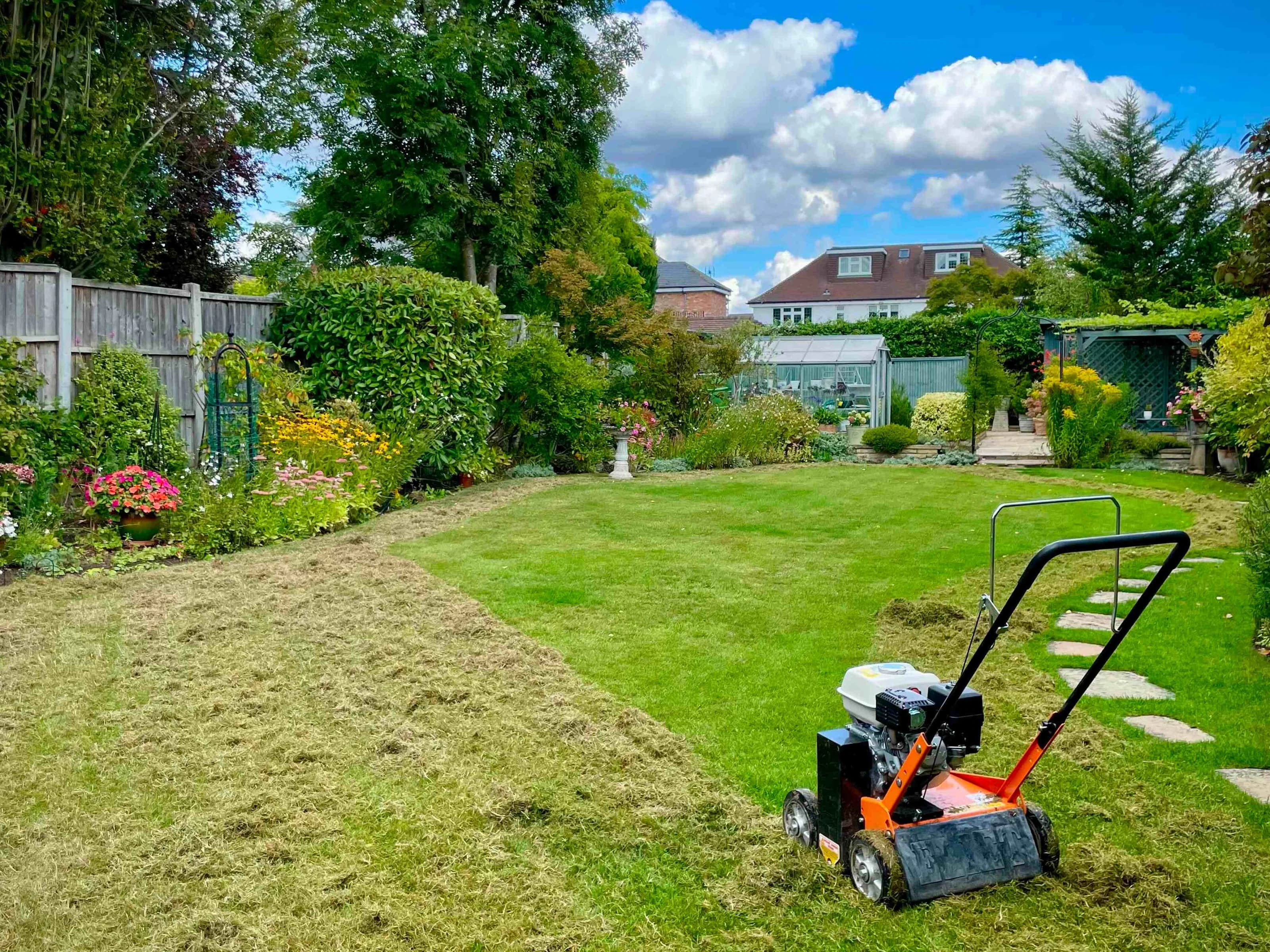
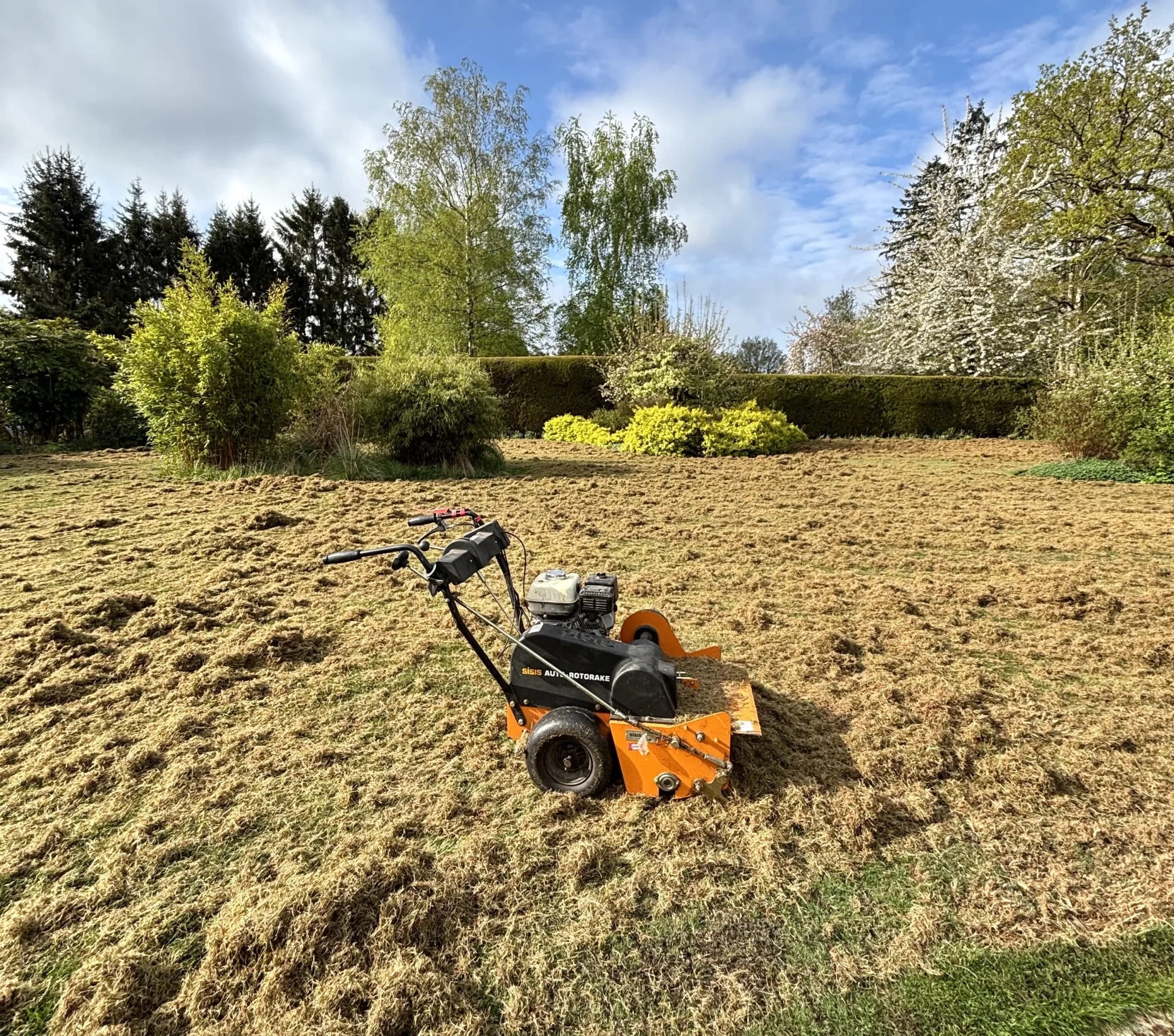
Lawn that has been partially scarified with a scarifier on it

Autumn Renovation

• Perfect soil temperature: Autumn’s mild warmth supports strong root development.

• Consistent moisture: Increased rainfall ensures seeds establish with a greater chance of germination.

• Reduced weed competition: Cooler conditions slow weed growth, giving new grass a better chance.

• Preparation for winter: Renovation in autumn ensures lawns enter the colder months healthy and resilient.
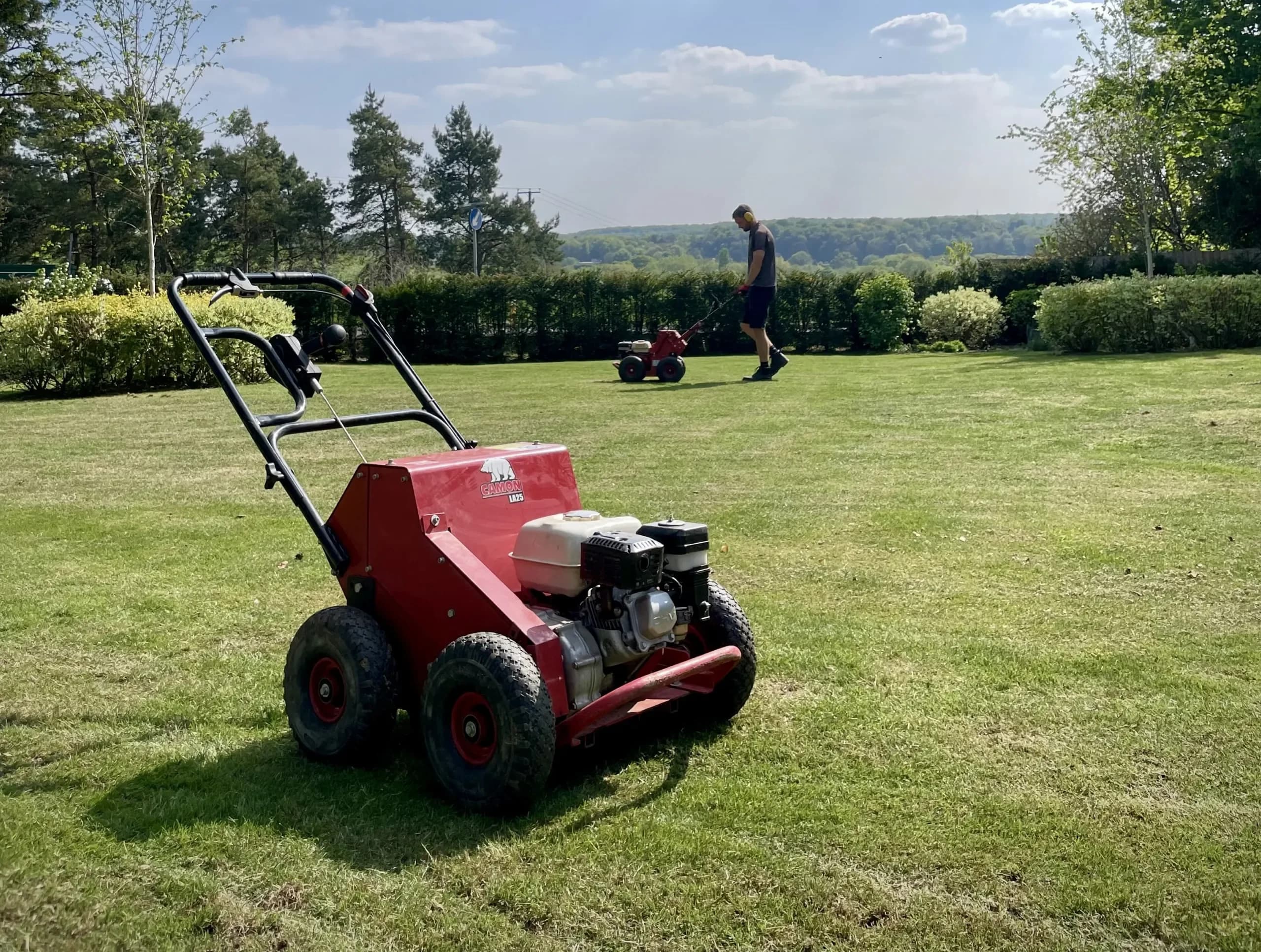
Aerator on UK lawn

When to Call in the Professionals

DIY lawn renovation can be rewarding, but professional expertise ensures consistent, long‑lasting results.

  • Benefits: Our scarification, aeration, and overseeding services use specialist equipment for maximum effectiveness.
  • Cost vs. DIY: While DIY saves money upfront, our services save time, reduce mistakes, and guarantee healthier lawns.
  • Peace of mind: With TopGrass, you benefit from expert advice, eco‑friendly practices, and ongoing support.

Conclusion

A damaged lawn doesn’t have to mean starting over. With TopGrass’s expert lawn renovation and repair services — including scarification, aeration, reseeding, and eco‑friendly care — you can restore your damaged lawn and enjoy a vibrant garden once again.

Contact us today for help with your lawn!

Lawn Renovation and Repair FAQs

Common signs your lawn needs renovation include thinning grass, bare patches, persistent moss, discolouration, excessive thatch, or seasonal decline. If your lawn looks patchy, spongy, or fails to recover after winter or summer stress, it’s time to consider professional lawn repair.

Spring and autumn are the optimal seasons for lawn renovation. Spring offers ideal growing conditions, moisture from seasonal showers, and recovery from winter damage. Autumn provides mild soil temperatures, consistent rainfall, reduced weed competition, and prepares your lawn for winter resilience.

A full lawn renovation typically includes:

  • Scarification to remove moss and thatch
  • Aeration to relieve soil compaction
  • Overseeding to restore density and fill bare patches
  • Fertilisation to boost regrowth with essential nutrients
  • Ongoing care to maintain results year‑round

TopGrass tailors each step to your lawn’s condition for long‑lasting results.

Yes, lawn renovation is often more cost‑effective than returfing. Services such as scarification, aeration, and overseeding restore your existing lawn without the expense of replacing turf. TopGrass offers a Total Reseed service, which delivers professional results at a fraction of the cost of returfing.

DIY lawn renovation can be rewarding, but professional services ensure consistent, long‑lasting results. TopGrass uses specialist equipment for scarification, aeration, and overseeding that’s difficult to replicate at home. Choosing professionals saves time, reduces mistakes, and guarantees healthier, greener lawns.
Check Your Location

Check Your Location

Related Articles

Yellow Grass: Nutrient Deficiency Solutions
29 October 2025•By Peter Arnold

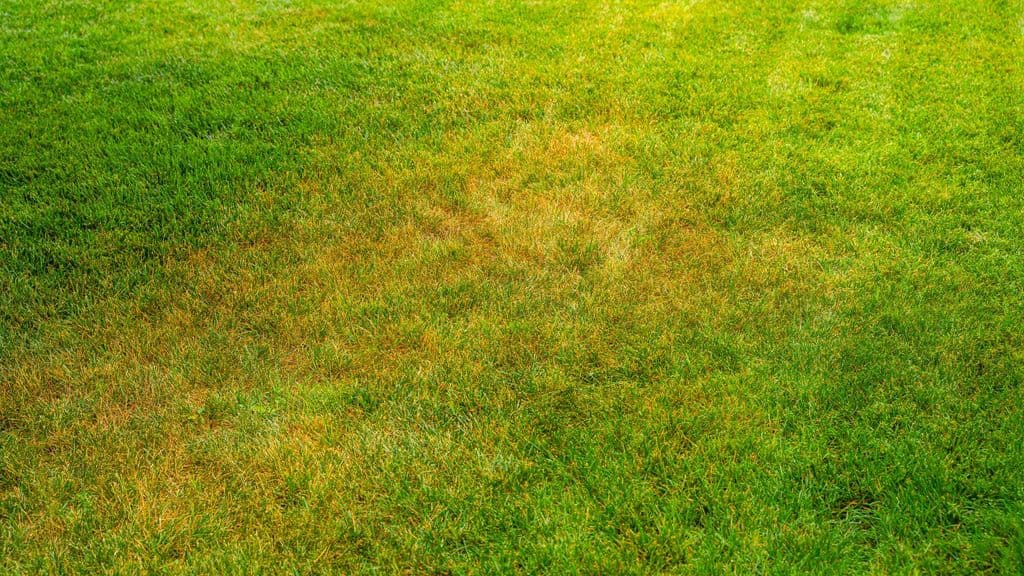
Yellow Grass: Nutrient Deficiency Solutions

Yellowing of grass can be caused by a number of reasons, from nutrient imbalances to seasonal stress. In this guide, TopGrass will run through the causes of yellow grass and the methods of reviving your yellowing lawn.
Compacted Soil: When & How to Aerate Your Lawn
29 October 2025•By Peter Arnold

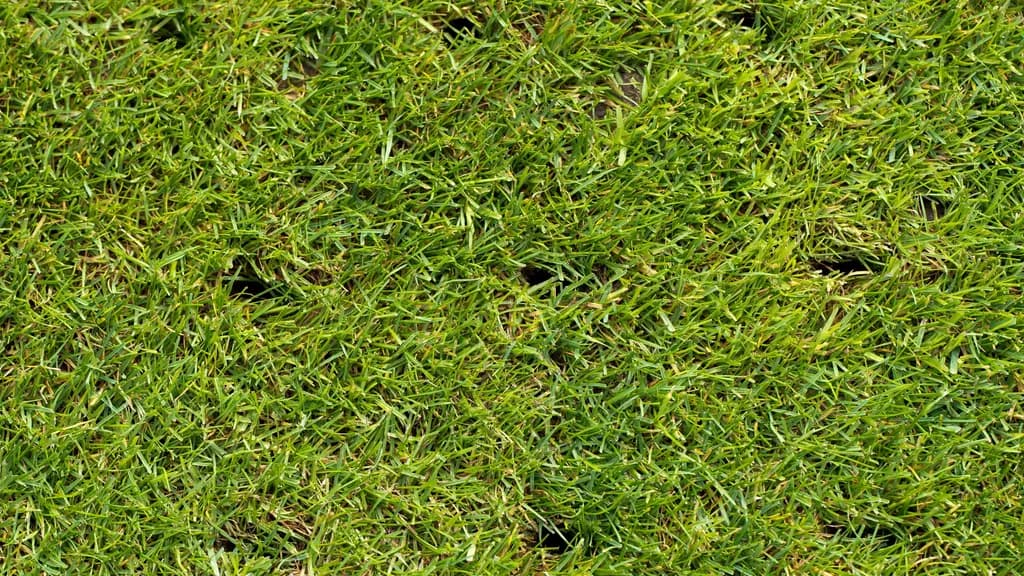
Compacted Soil: When & How to Aerate Your Lawn

This is your TopGrass guide to compacted soil, the reasons why your soil is compacted and how to solve the issue!
Moss in Lawns: Prevention & Removal Guide
29 October 2025•By Peter Arnold

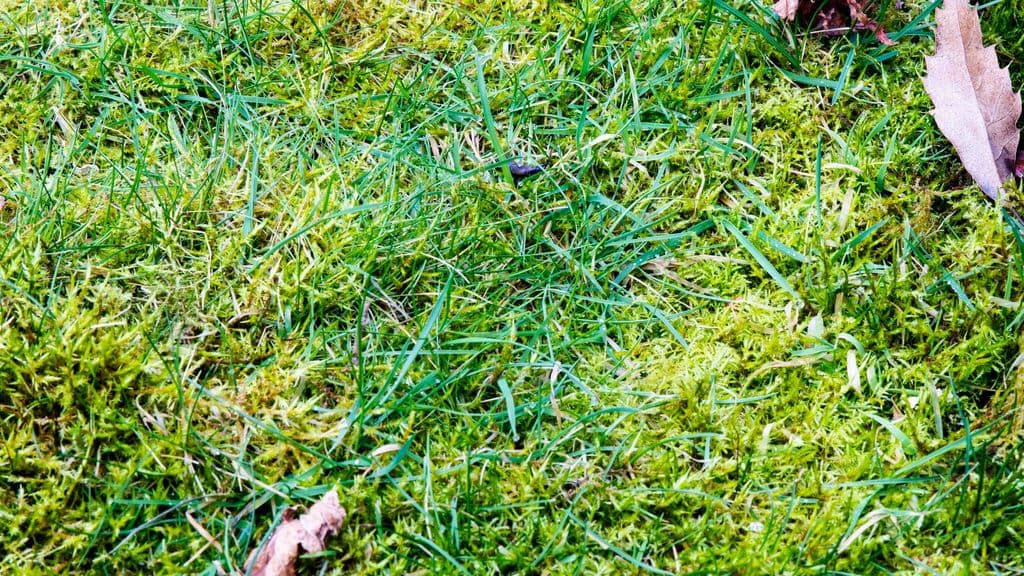
Moss in Lawns: Prevention & Removal Guide

There are a variety of reasons why moss might grow in your lawn, as well as many differing methods of preventing moss and removing it. This is your TopGrass guide to how to prevent moss growth and how to take care of it if you have a moss problem in your lawn.