
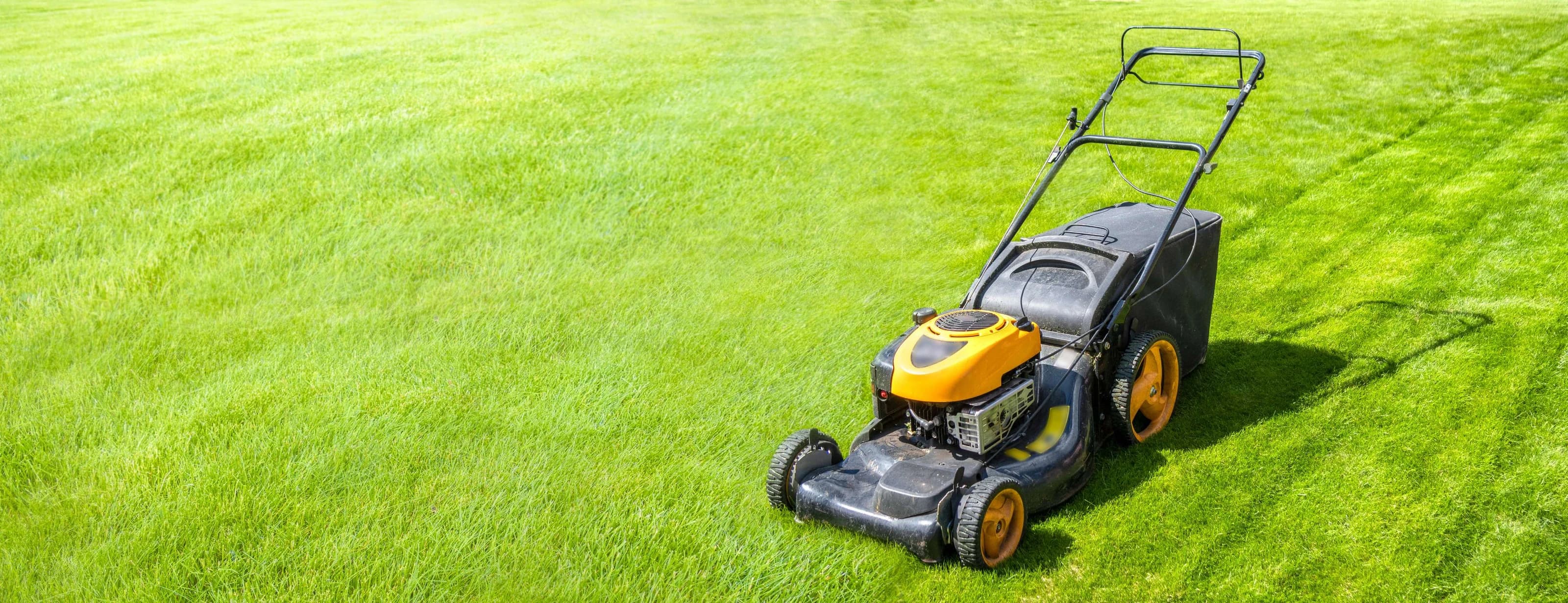
How to Achieve Perfect Lawn Stripes: Mowing Techniques
This is your TopGrass guide to why you should choose renovating your lawn over re-turfing it
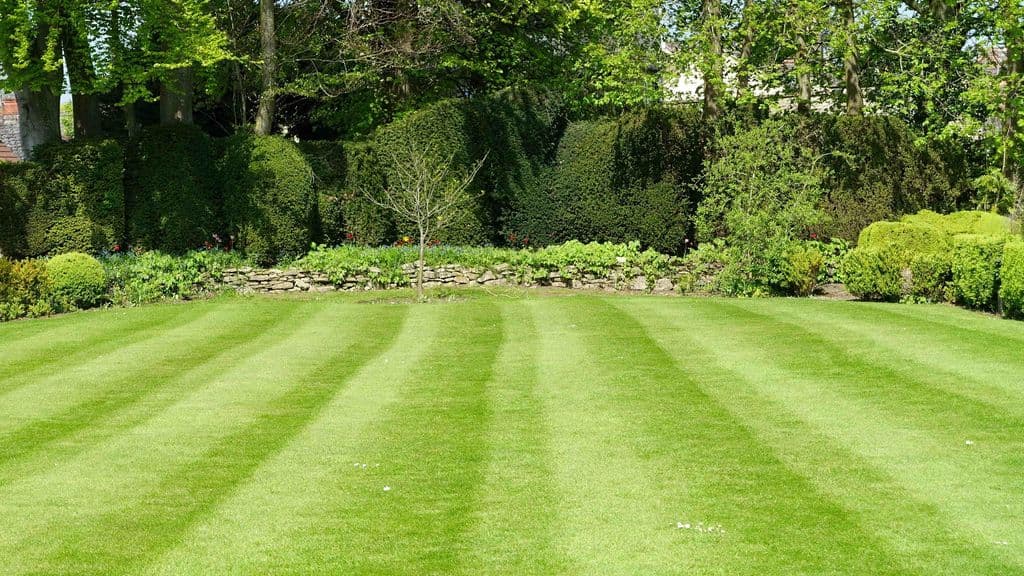
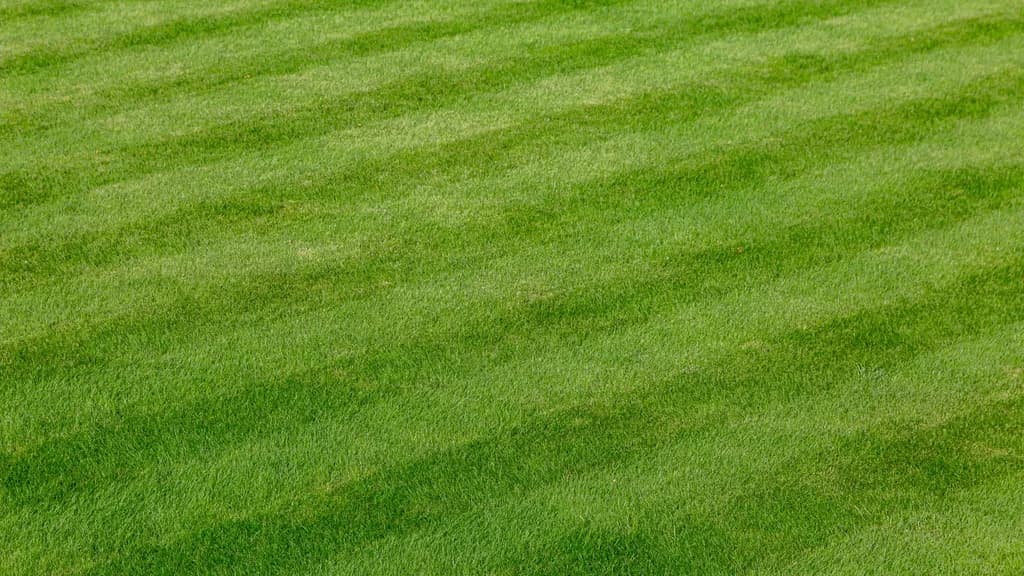
Striped lawns are the hallmark of a well‑kept garden. They instantly elevate your outdoor space, giving it the polished look of a professional sports pitch or stately home. Achieving perfect lawn stripes isn’t just about aesthetics—it’s also about caring for your grass in a way that promotes health and sustainability. With the right mowing techniques and eco‑friendly practices, UK homeowners can enjoy a striped lawn that looks stunning and thrives naturally.
What Creates Lawn Stripes?
Light reflection: Stripes form because grass blades bend in different directions. When sunlight hits them, one side appears darker, the other lighter.
Grass types:
- Cool‑season grasses (common in the UK) bend easily and hold stripes well.
- Warm‑season grasses are tougher and may not show patterns as clearly.
Understanding this science helps you work with your lawn’s natural characteristics rather than against them.

Essential Tools & Preparation
Before you start mowing, preparation is key:
Choose the right mower:
- Roller mowers are ideal for creating defined stripes.
- Rotary mowers can work, but the results are less pristine
Set the correct mowing height: We recommend never cutting your lawn at a height of less than one inch as this can damage your lawn.
Keep your lawn healthy: Fertilise, water deeply, and aerate regularly.
Eco‑friendly tip: Never over‑cut. Removing more than one‑third of the grass blade will put stress on the lawn and will harm soil health.
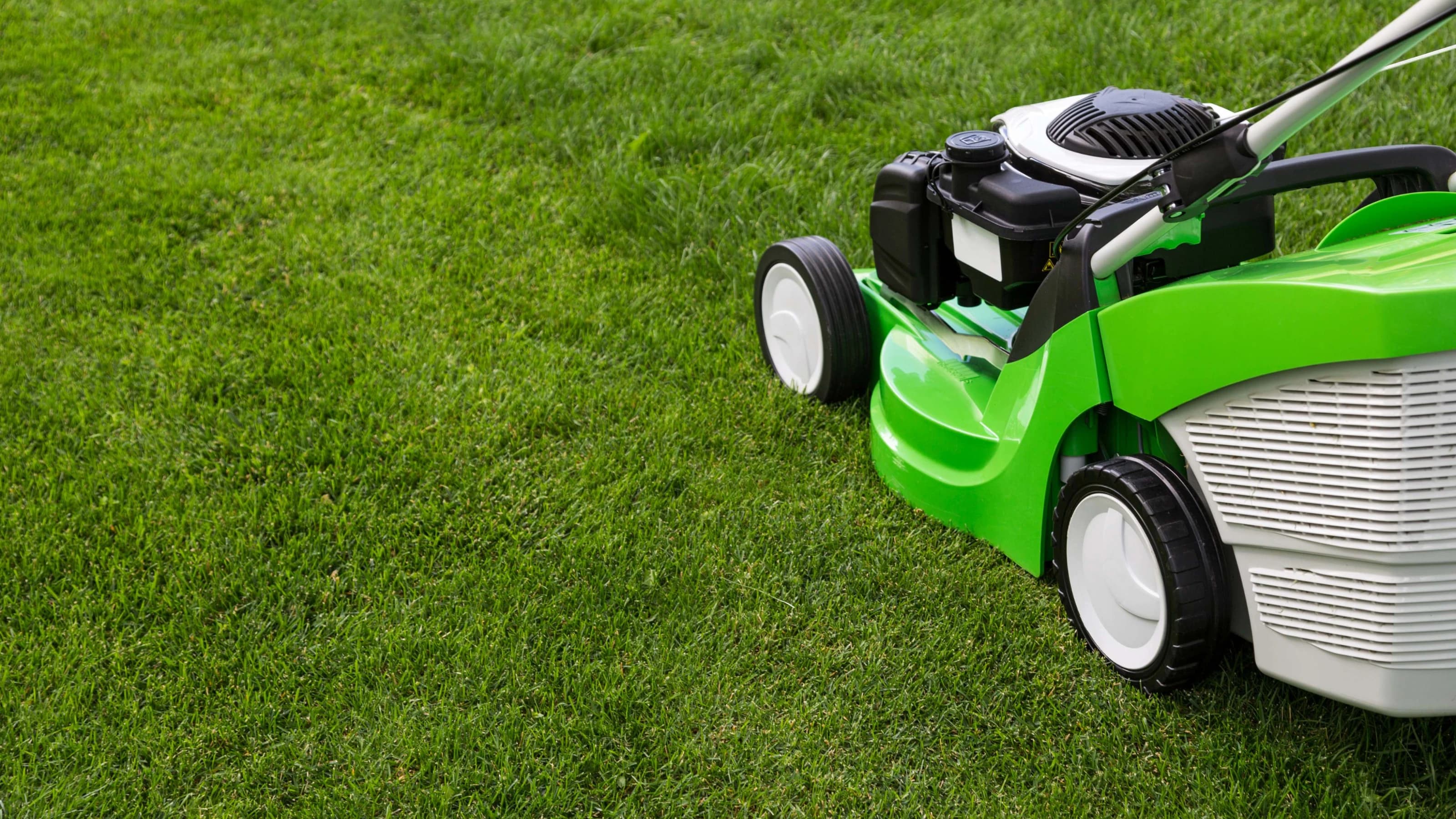
Step‑by‑Step Mowing Techniques
Mow in Straight Lines
- Start by mowing a straight first stripe along a path, fence, or driveway.
- Use this as your guide for the rest.
Alternate Directions
- Mow back and forth, alternating directions to create contrast.
- Overlap slightly to avoid gaps.
Add Variety
- Try diagonals, curves, or checkerboard patterns for visual interest.
Avoid Common Mistakes
- Don’t rush—uneven lines spoil the effect.
- Prevent scalping by keeping blades sharp and adjusting mower height.

Advanced Striping Tips
Use a lawn roller: For deeper definition, especially on cool‑season grasses.
Adjust for the season: During the spring and summer we recommend setting your mower to a height between 1-1.5 inches.
- In the autumn and winter you should set your mower height to between 2-2.5 inches.
- If conditions are drought-like you should set your mower height to 1.5-2 inches.
Sustainable practices:
- Opt for electric or battery‑powered mowers to reduce emissions.
- Use organic fertilisers and avoid chemical overuse.
Conclusion
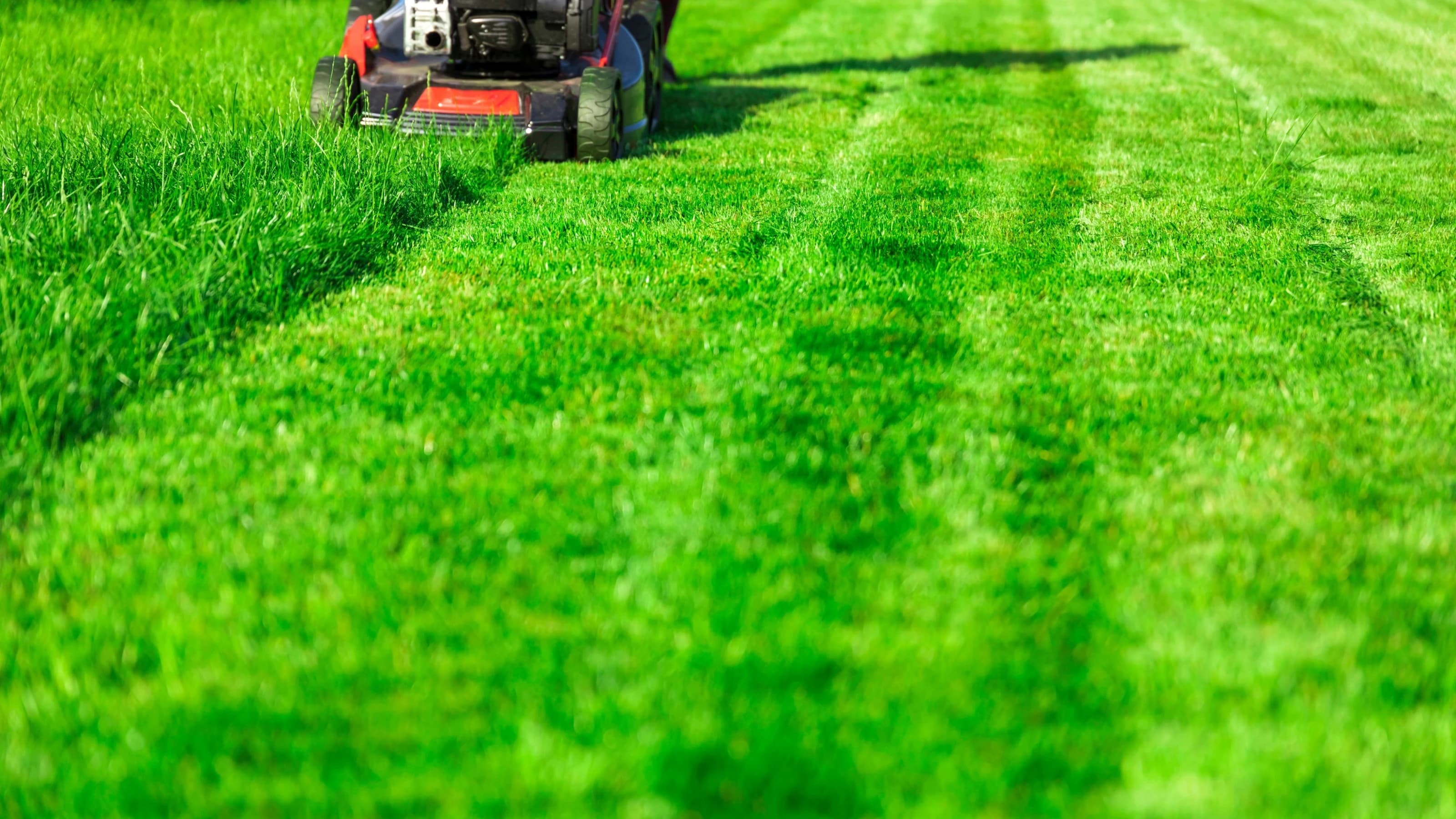
Perfect lawn stripes are more than just a visual upgrade—they’re a sign of a healthy, well‑cared‑for garden. With the right mowing techniques and with the help of TopGrass you can achieve a striped lawn that will be the envy of your hedge friends!
If you need help achieving the perfect lawn then TopGrass are here to help. You can click here to get your free, bespoke quotation now!
Check Your Location
Check Your Location
About the author
Written by
Peter Arnold
Marketing Manager
Related Articles
The Science of Grass: Why Lawns Need Nitrogen
This is your TopGrass guide to why UK lawns need nitrogen in order to thrive!
Benefits of Professional Lawn Treatment: Why It Matters
Here are TopGrass's top reasons why you should have your lawn professionally cared for!
How Weather Affects Your Lawn
We have provided here a handy guide on the differing weather conditions we experience here in the UK and how our services and treatments work in the different conditions.