
Late Autumn Lawn Care Preparation Guide (October–November)
This is your TopGrass guide to how to prepare your lawn for the winter!
Late autumn is a critical transition period for your lawn. As October and November bring shorter days, falling leaves, and cooler temperatures, your grass begins to slow its growth and prepare for dormancy. Without proper care, lawns can suffer from compaction, disease, and nutrient deficiencies that carry over into spring. This autumn lawn care guide provides a step‑by‑step plan to help homeowners and DIY gardeners protect their turf and ensure a lush, healthy lawn when warmer weather returns.
Why Late Autumn Lawn Care Matters
Grass may appear dormant above ground, but below the surface, roots are still active. Preparing your lawn now strengthens root systems, reduces weed invasion, and prevents winter damage.
- Root development: Fertilizing before winter encourages deeper roots that withstand frost.
- Weed prevention: Overseeding fills gaps, leaving less room for weeds and moss.
- Disease control: Removing leaves and debris reduces the risk of snow mold and fungal infections.
Common mistakes to avoid:
- Leaving thick layers of leaves that suffocate grass.
- Skipping aeration, which leads to compacted soil and poor drainage.
- Cutting grass too short, making it vulnerable to frost damage.
Essential Lawn Care Tasks (October–November)

Leaf Removal
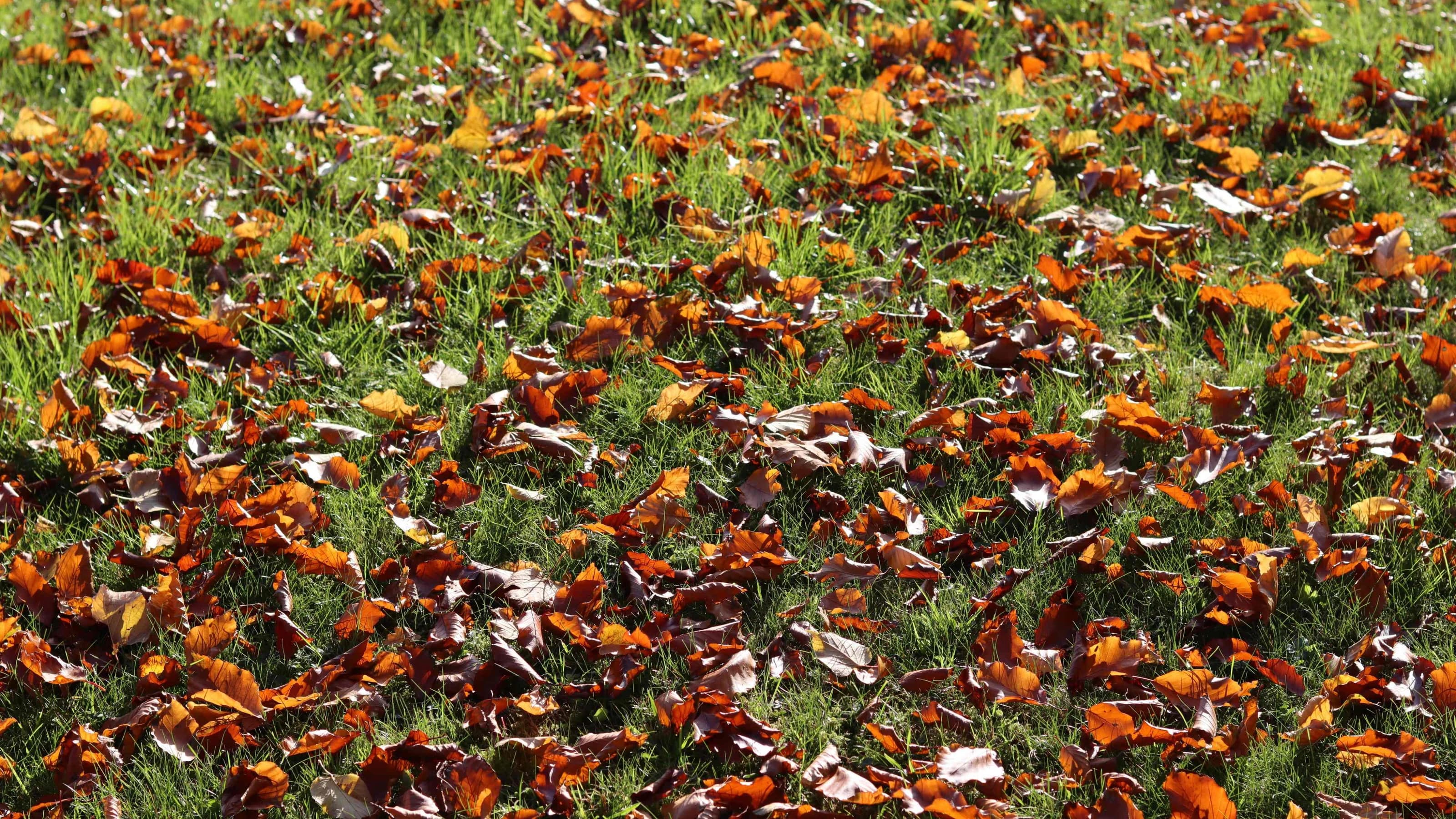
Why it matters: Fallen leaves may look picturesque, but when left on the lawn they block sunlight, trap moisture, and create the perfect environment for mold and pests. Thick layers can suffocate grass and leave bare patches by spring.
How to do it:
- Rake leaves weekly, or more often if you have large trees.
- Use a mulching mower to shred leaves into fine pieces that decompose quickly and enrich the soil.
- Collect excess leaves for composting or use them as mulch around shrubs and flower beds.
Pro tip: Avoid leaving wet leaves on the lawn overnight — they compact easily and encourage fungal growth.
Lawn Aeration in Autumn
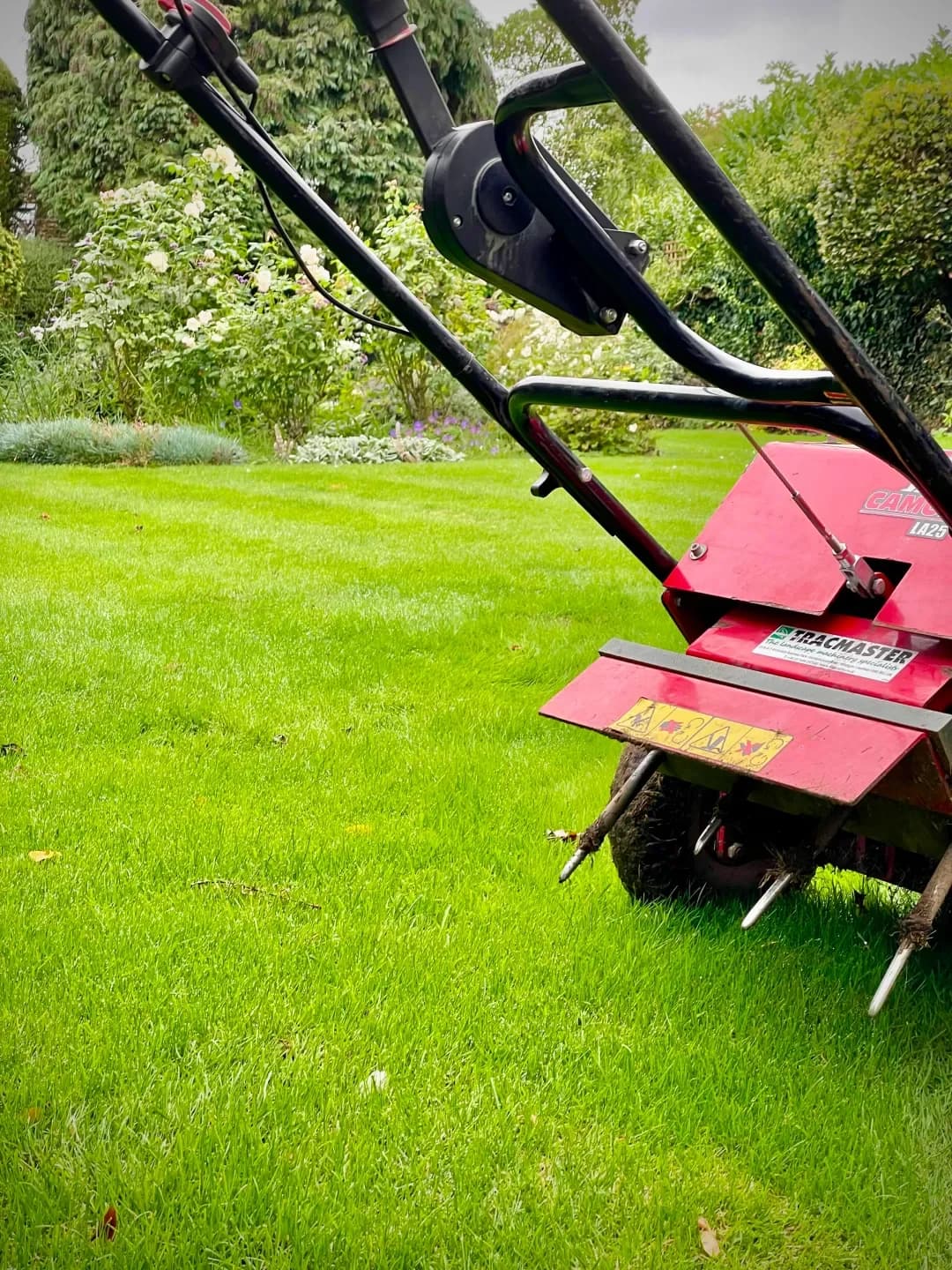
Purpose: Soil compaction is common after summer foot traffic. Aeration relieves this pressure, allowing water, oxygen, and nutrients to reach the root zone.
How to do it:
- For small lawns, use a garden fork to create holes 2–3 inches deep, spaced every 4–6 inches.
- For larger lawns, rent or buy a mechanical aerator that removes plugs of soil.
- Aerate before overseeding and fertilising to maximise seed‑to‑soil contact and nutrient absorption.
Pro tip: Focus on high‑traffic areas (pathways, play zones) where compaction is worst.
Mistake to avoid: Aerating too late in November when the soil is frozen — this damages turf instead of helping it.

Overseeding in Autumn
Goal: Overseeding fills bare patches and thickens turf, reducing weed invasion and improving resilience.
How to do it:
- Choose cool‑season grasses such as fescue, ryegrass, or Kentucky bluegrass for temperate climates.
- Spread seed evenly using a broadcast spreader.
- Lightly rake the area to ensure good seed‑to‑soil contact.
- Cover with a thin layer of compost or topsoil to protect seeds and retain moisture.
Pro tip: Water lightly every day until seeds germinate, then reduce frequency but increase depth.
Mistake to avoid: Overseeding without aeration — seeds struggle to penetrate compacted soil and may fail to germinate.
Mowing Adjustments
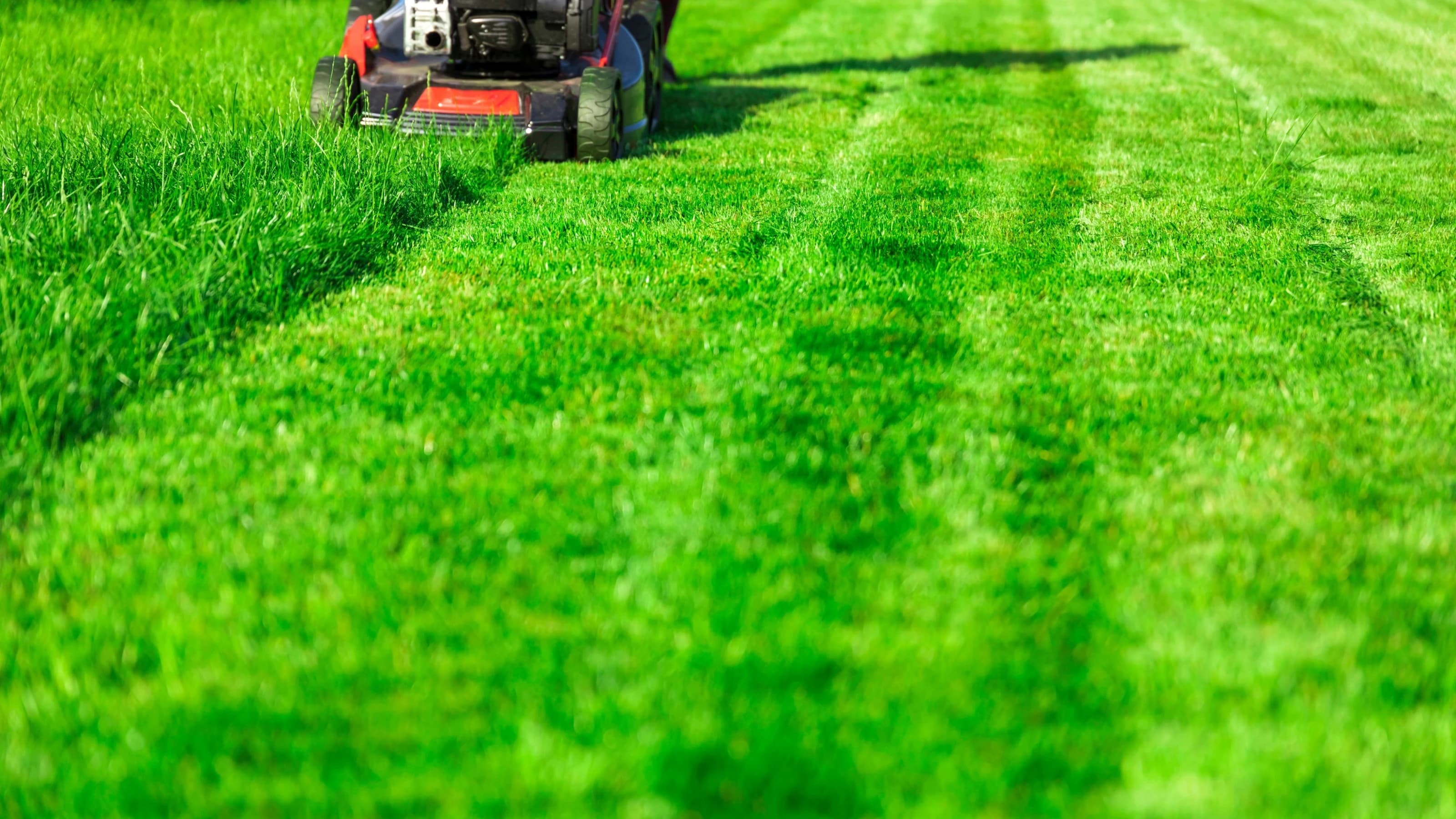
Why it matters: Grass still grows in October and early November, but slower. Proper mowing keeps it healthy without leaving it vulnerable to frost or snow mold.
How to do it:
- Raise mower blades to 2-2.5 inches. This height protects roots while preventing long blades from matting under snow.
- Continue mowing until growth stops, usually after the first hard frost.
- Keep mower blades sharp to avoid tearing grass, which increases disease risk.
Pro tip: Leave clippings on the lawn if using a mulching mower — they return nutrients to the soil.
Mistake to avoid: Cutting grass too short (“scalping”) in late autumn. Short grass is more likely to suffer winter injury
Preventing Winter Damage
Snow mould prevention: Avoid leaving grass too long or too short; balanced mowing reduces fungal risk.
Frost protection: Limit foot traffic on frozen grass to prevent breakage.
Sustainable practices:
- Compost leaves for natural mulch.
- Use organic fertilizers to reduce chemical runoff.
- Collect rainwater for eco‑friendly irrigation during dry spells.

Late Autumn Lawn Care FAQs
The best time for late autumn lawn care is October to November, before the first frost. This ensures tasks like aeration, overseeding, and fertilising strengthen roots ahead of winter.
Overseeding in autumn is highly effective because cooler temperatures and increased rainfall create ideal conditions for seed germination, filling bare patches and thickening turf.
Leaves should be removed weekly during October and November. Thick layers can suffocate grass, trap moisture, and encourage fungal diseases
Adjust mower blades to 2-2.5 inches. Cutting grass too short weakens it against frost, while leaving it too long increases the risk of snow mould.
Check Your Location
Check Your Location
About the author
Written by
Peter Arnold
Marketing Manager
Related Articles
Can you mow the lawn in winter? Frost, wet grass and the last cut
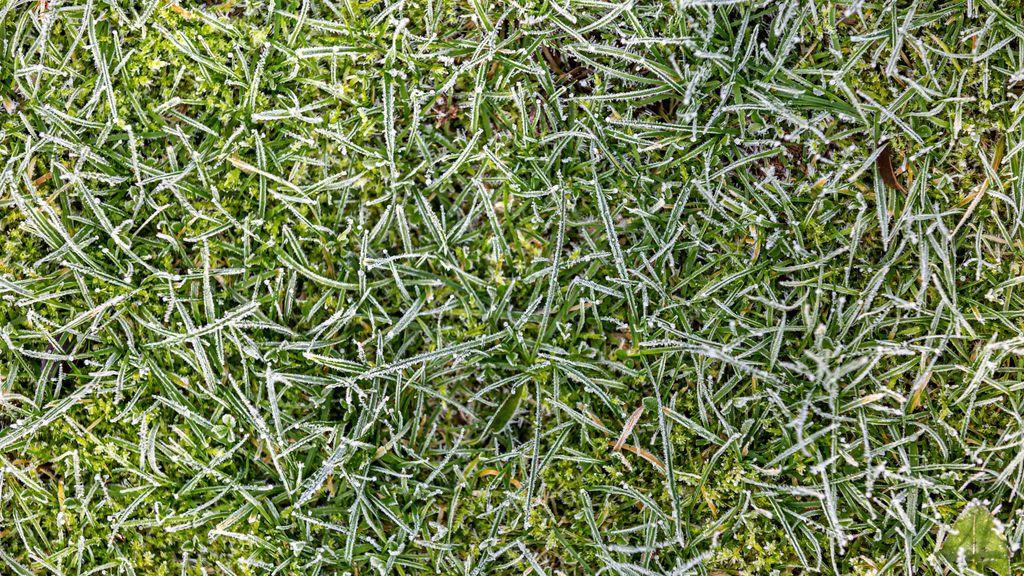
Yes, if the grass is still growing and the lawn is dry, firm and free of frost. Cut high, at 50 to 65 mm, take off no more than a third, and leave the mower in the shed on wet, frozen or frosty days.
Early Spring Lawn Preparation Guide (February-March)
This is your TopGrass guide to how to prepare your lawn for the growing season of spring!

Winter Lawn Care Guide
As winter settles in and temperatures drop, your lawn enters a period of dormancy. While it might seem like there’s little to do, winter lawn care is just as important as in the more active seasons.