
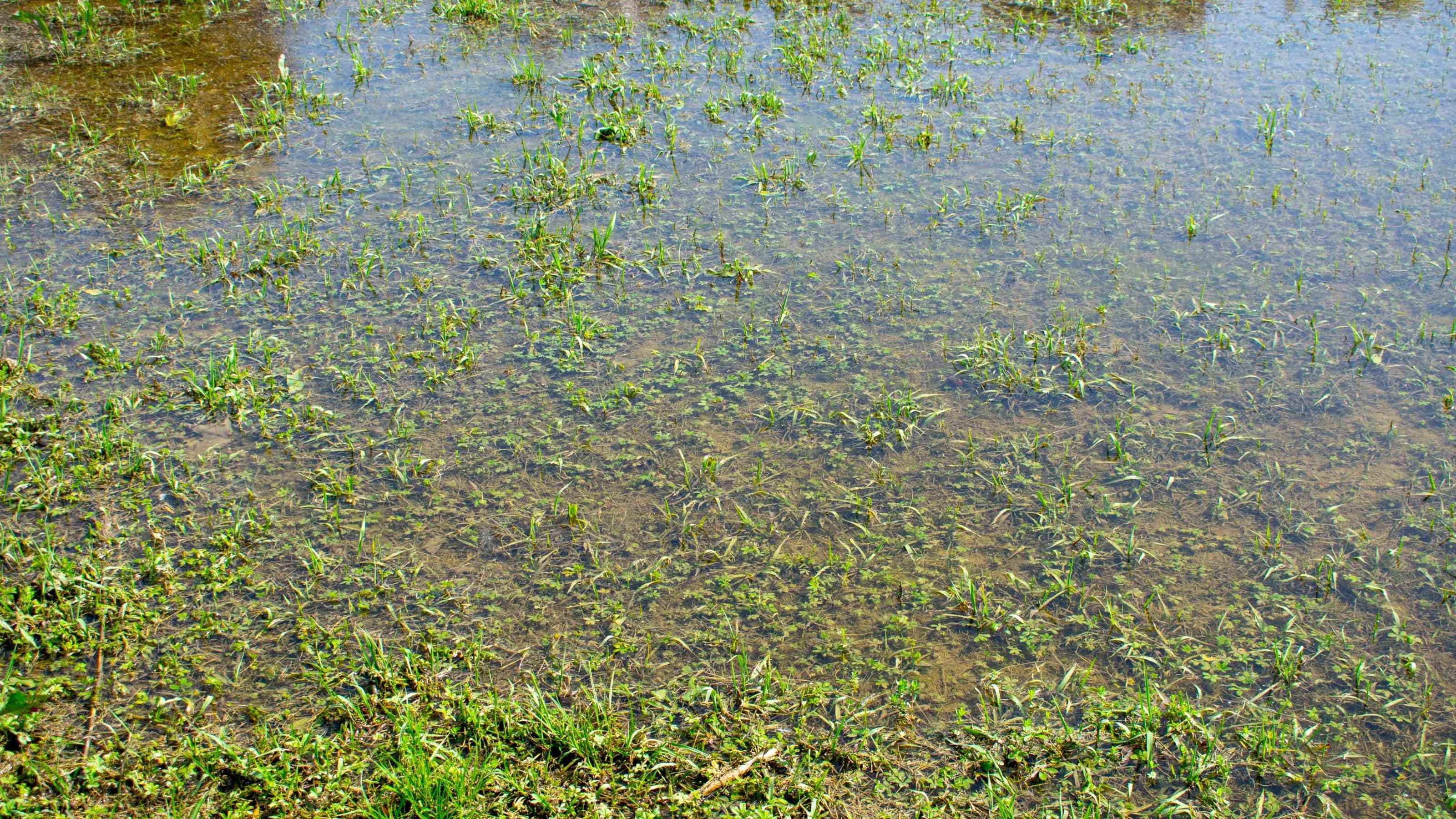
Waterlogged Lawns & Drainage Issues: How to Fix
This is your TopGrass guide to how to solve waterlogging or drainage issues in your lawn!
A waterlogged lawn is more than just an inconvenience—it can lead to dead grass, soil compaction, moss growth, and long-term garden drainage problems. When water sits on the surface for days, it’s a clear sign that something in your garden's drainage system isn’t functioning as it should.
In this guide, we’ll explain why lawns become waterlogged, how to diagnose drainage issues, and the most effective solutions to fix soggy grass and prevent future flooding.
1. What Is a Waterlogged Lawn—and Why Fix It Quickly?
A lawn becomes waterlogged when the soil is saturated and can no longer absorb moisture. This leaves rainwater pooling on the surface, creating a soggy or marshy effect.
Fixing drainage issues early is essential—prolonged flooding suffocates grass roots, encourages fungal diseases, and accelerates soil degradation. The good news? Most lawn drainage issues can be corrected with the right combination of techniques.
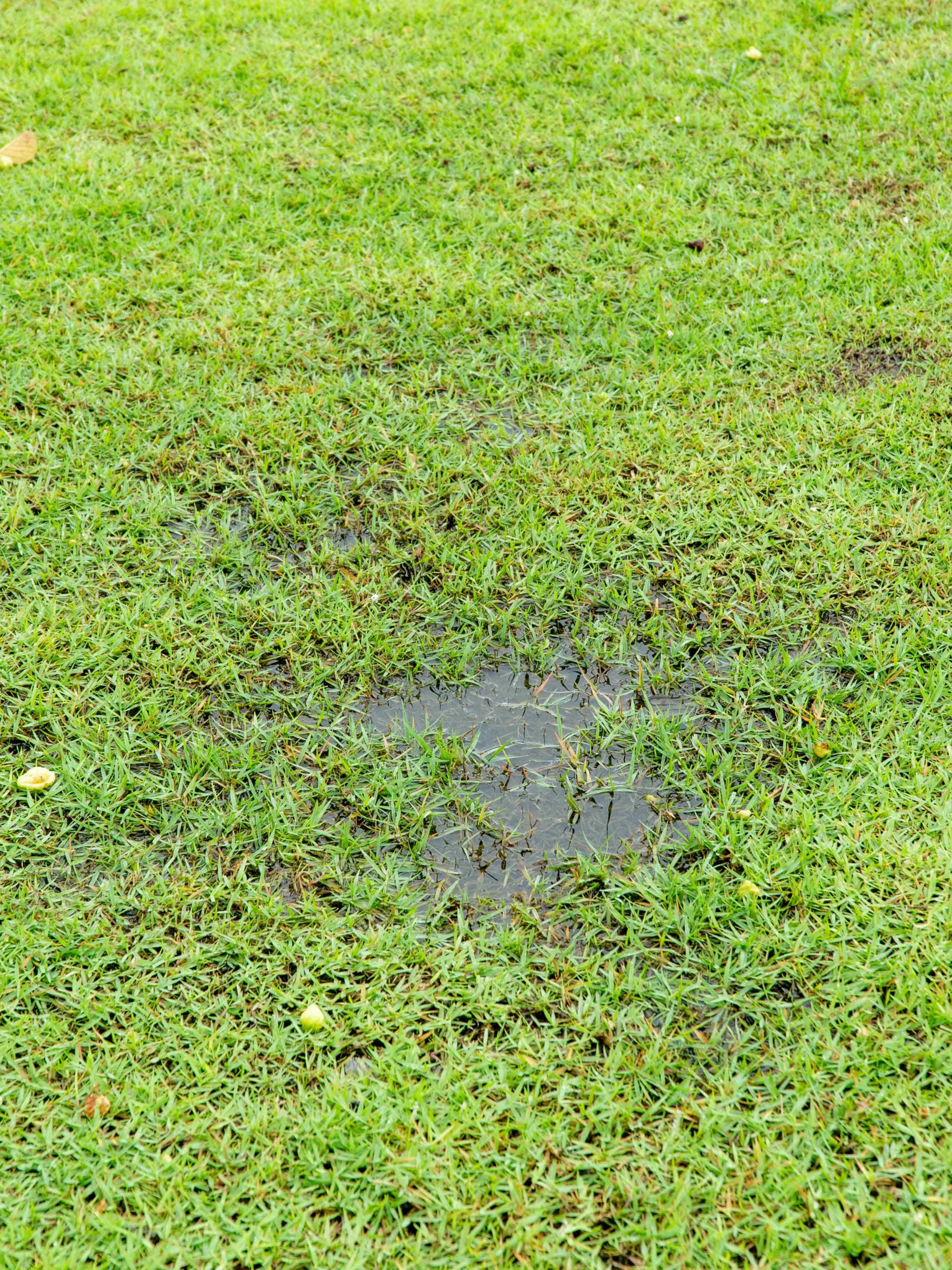
2. Common Causes of Waterlogged Lawns
Understanding the cause is the first step in choosing the right poor lawn drainage solution. Common reasons include:
- Compacted soil that restricts airflow and water movement
- Clay-heavy soil that drains slowly and holds water
- Low spots or uneven grading where water naturally pools
- Thatch buildup preventing water from penetrating the soil
- Blocked drains or downpipes redirecting excess water onto the lawn
- Surface runoff from patios, driveways, or neighbouring properties
Identifying the root cause helps ensure your soggy lawn fix is effective and long-lasting.
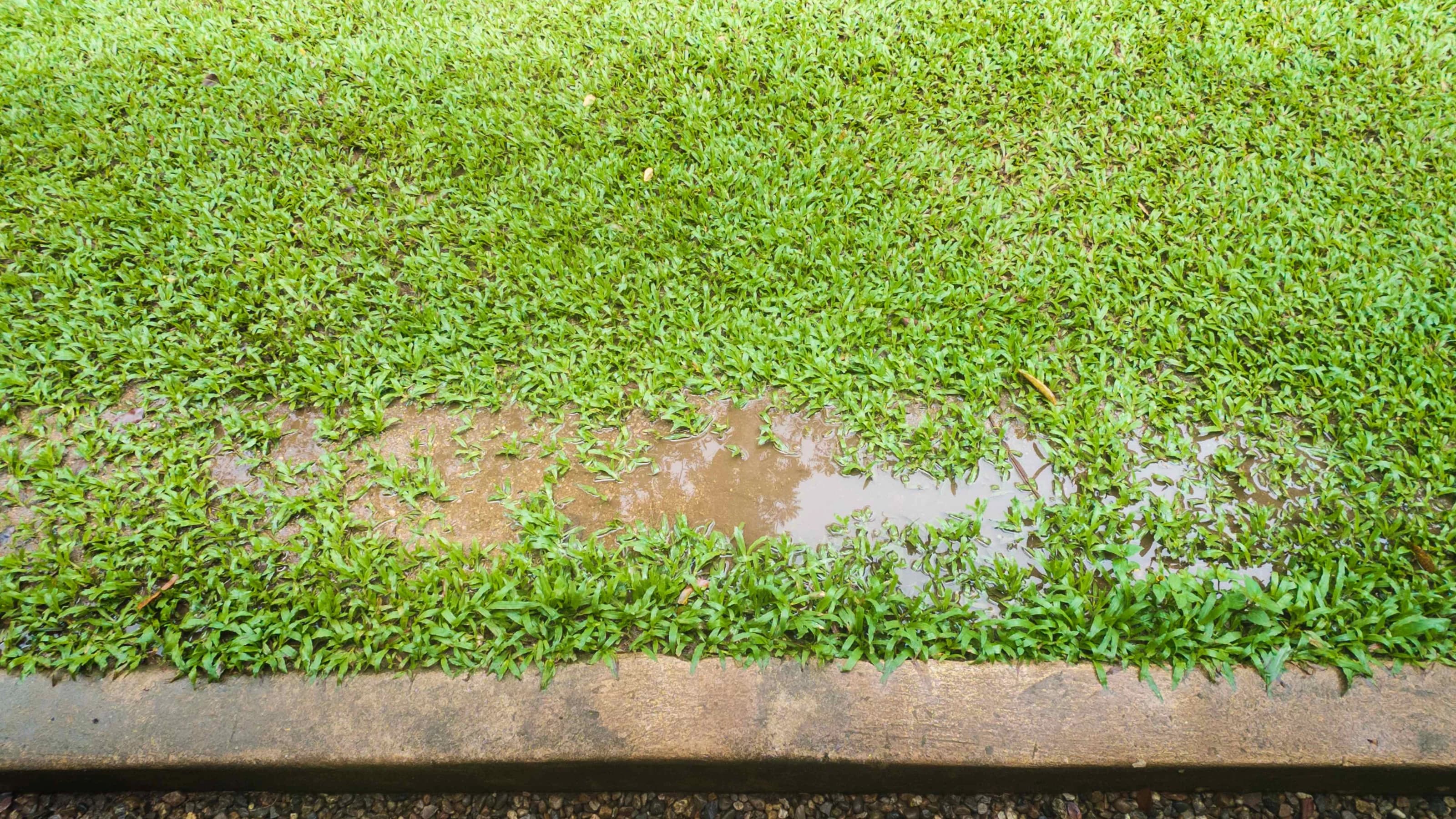
3. Key Signs Your Lawn Has Drainage Problems
Not all wet patches indicate serious issues—but these symptoms usually mean there’s an underlying drainage problem:
- Water sitting for 24–48 hours after rainfall
- Soft, mushy, or sponge-like turf underfoot
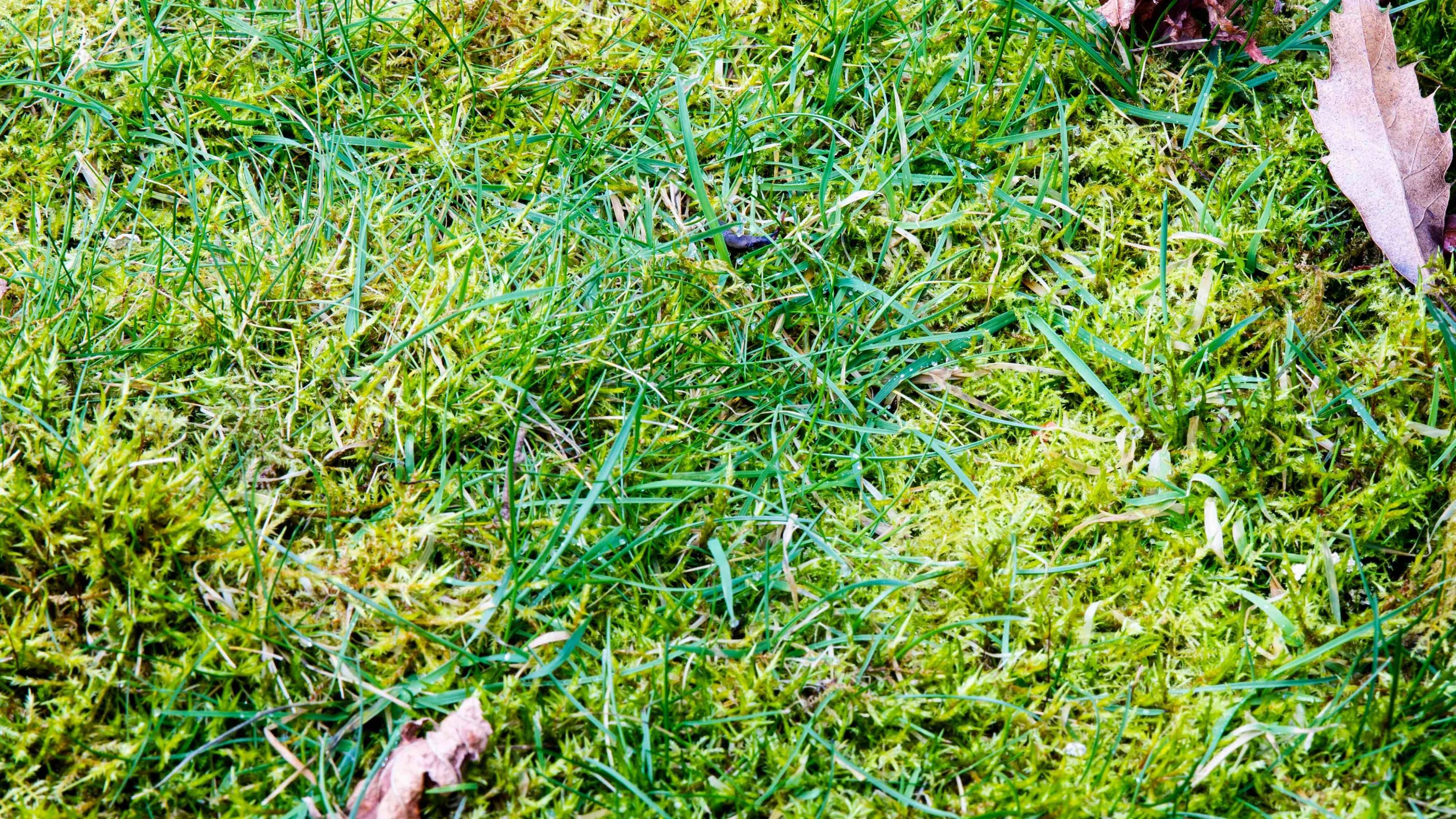
- Moss growth, weakened roots, or thinning grass
- Water pooling near patios, pathways, or foundations
If you notice any combination of these signs, it’s time to take action.
4. How to Fix a Waterlogged Lawn: Step-by-Step Solutions
Below are the most effective methods to improve lawn drainage and restore healthy, resilient grass.
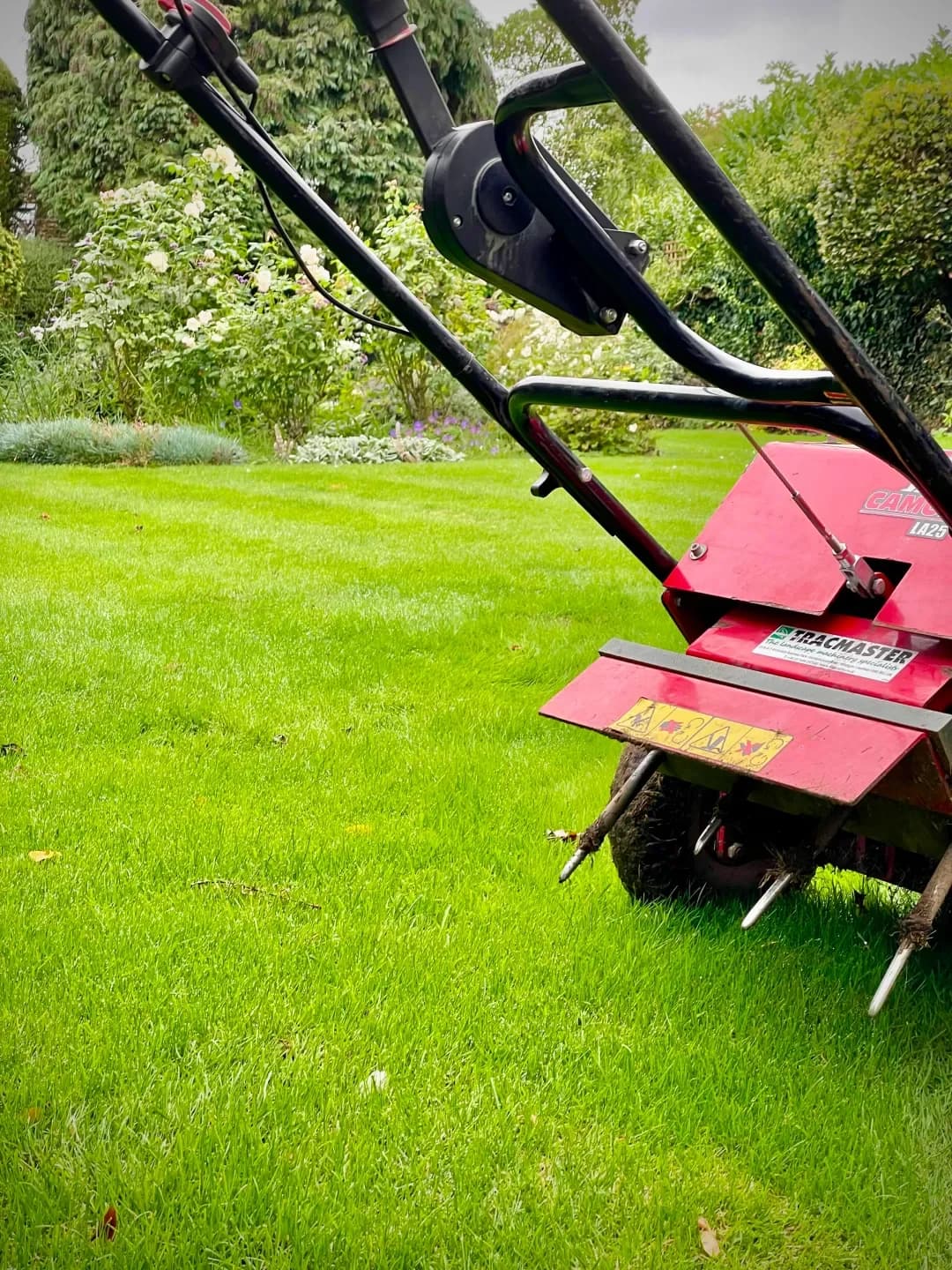
A. Aerate the Lawn
Best for: compacted soil, high-footfall areas
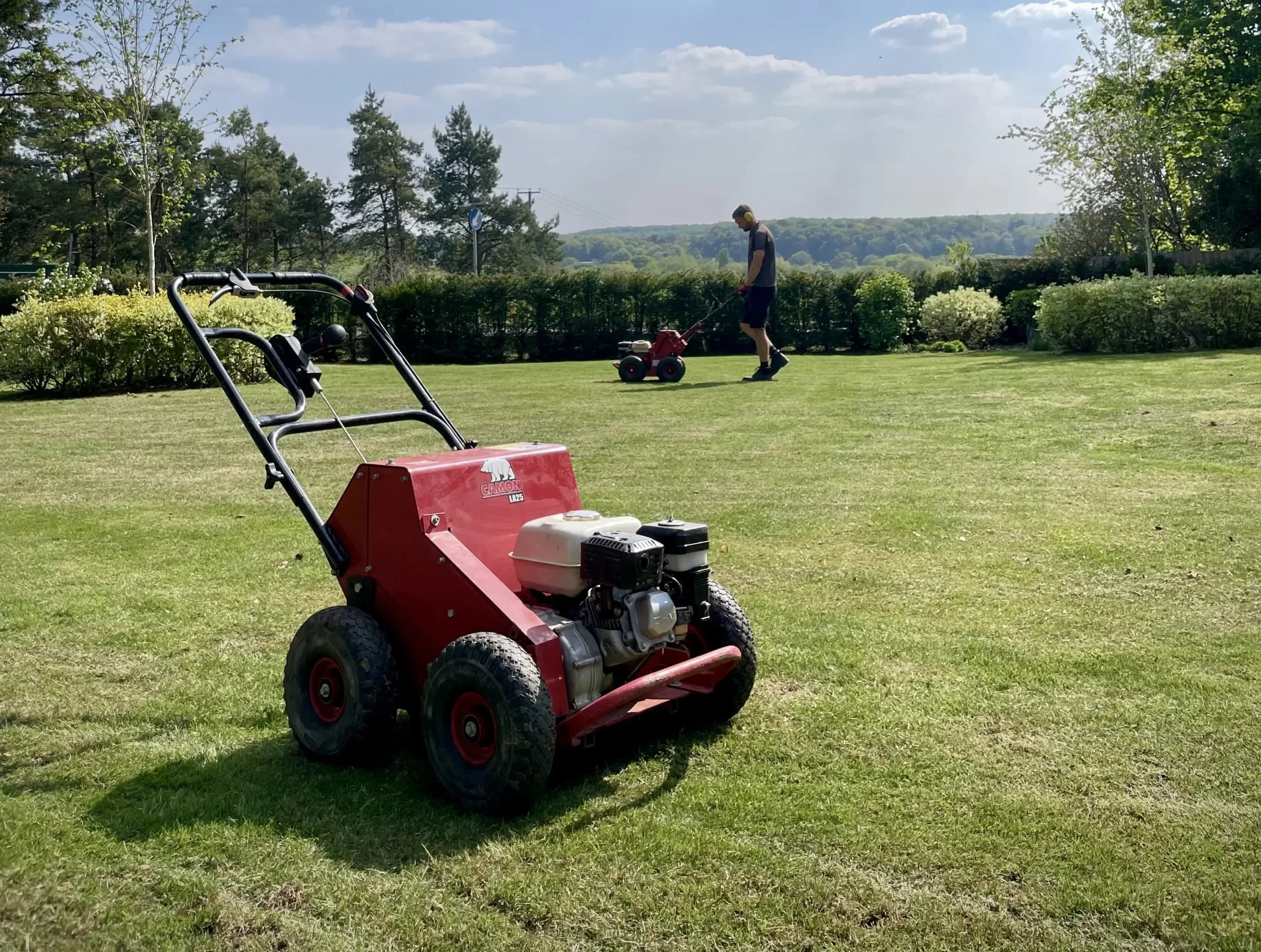
Lawn aeration for drainage works by creating holes that allow water, air, and nutrients to reach the root zone.
How to do it:
- Use a garden fork, spike aerator, or hollow-tine aerator.
- Work across the lawn in even rows.
- For heavy compaction, follow with a sand top dressing.
Why it works: Aeration loosens compacted soil and dramatically improves water flow.
B. Apply a Sand-Based Top Dressing
Best for: clay soil drainage, long-term improvement
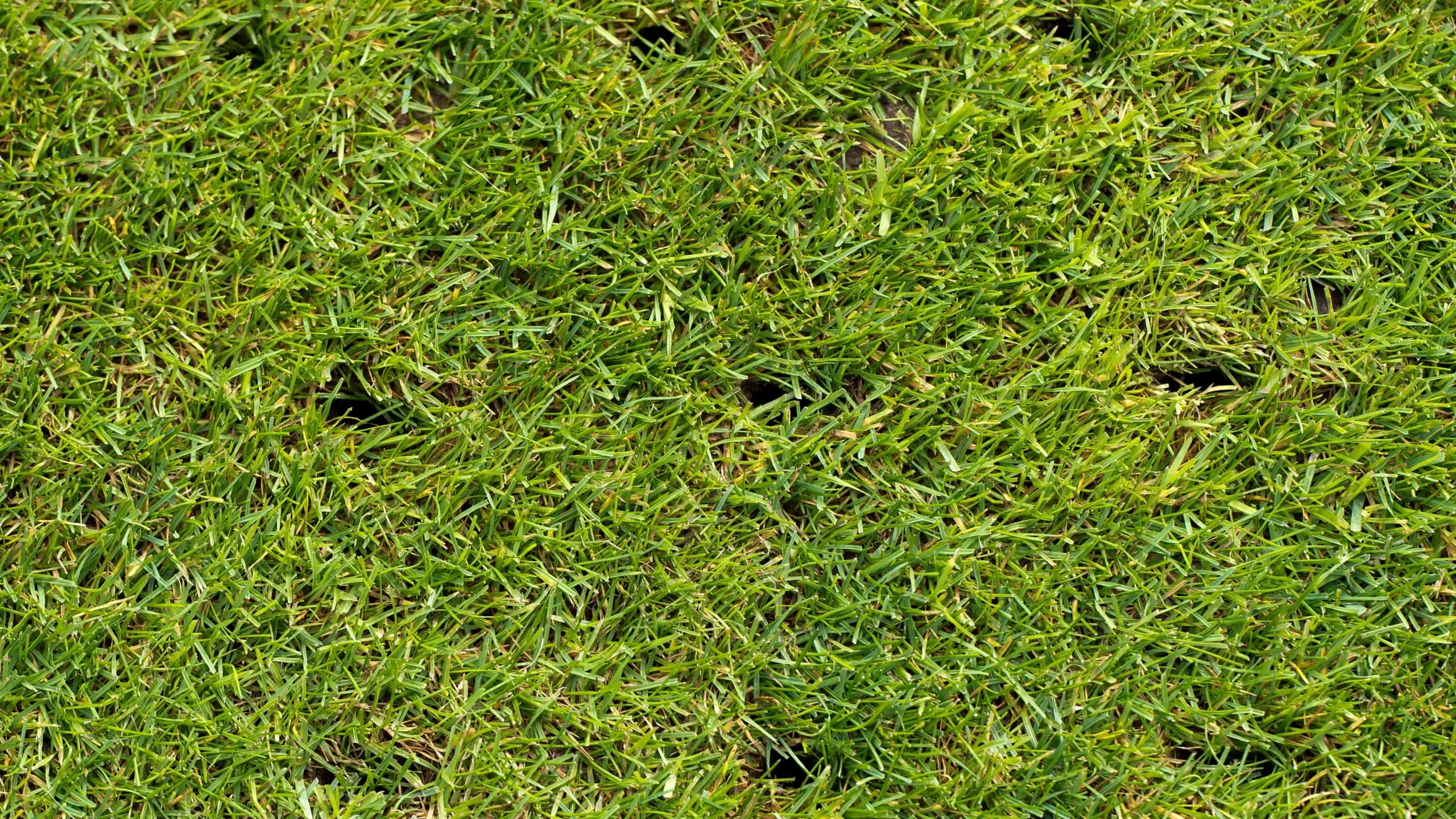
Top dressing with a mix of sharp sand, compost, and loam helps open the soil structure and improve absorption.
Steps:
- Aerate first.
- Spread a thin layer of dressing across the surface.
- Brush or rake it into the aeration holes.
This method steadily enhances drainage over time.
C. Scarify to Remove Thatch
Best for: surface water issues, slow absorption
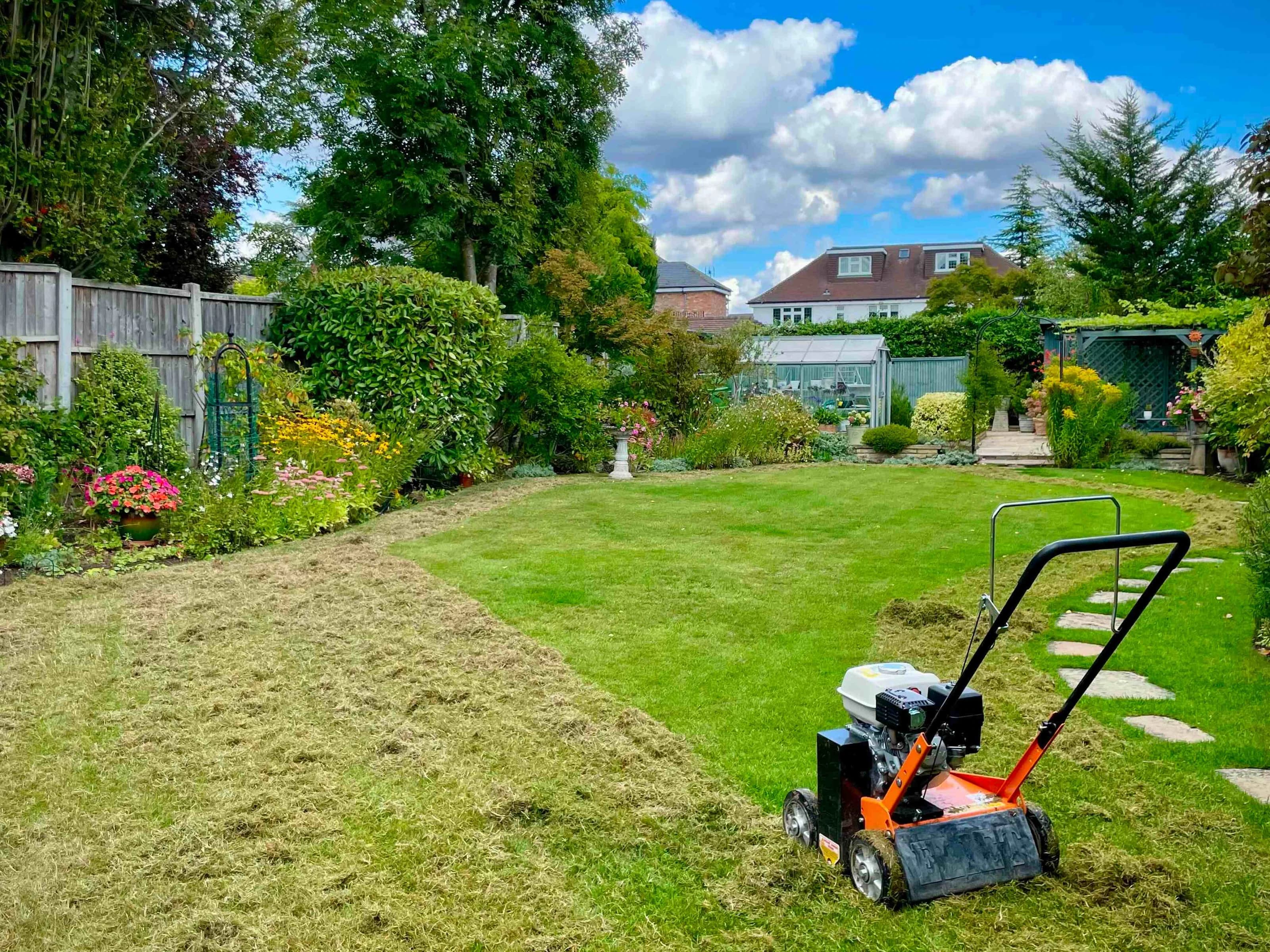
Thatch buildup creates a dense mat that stops water from reaching the soil.
Fix:
- Use a lawn scarifier or rake to remove thatch.
- Follow with overseeding if necessary.
Scarifying improves water penetration and boosts overall lawn health. You can click here to find more about our scarification packages.
D. Improve Soil Structure with Organic Material
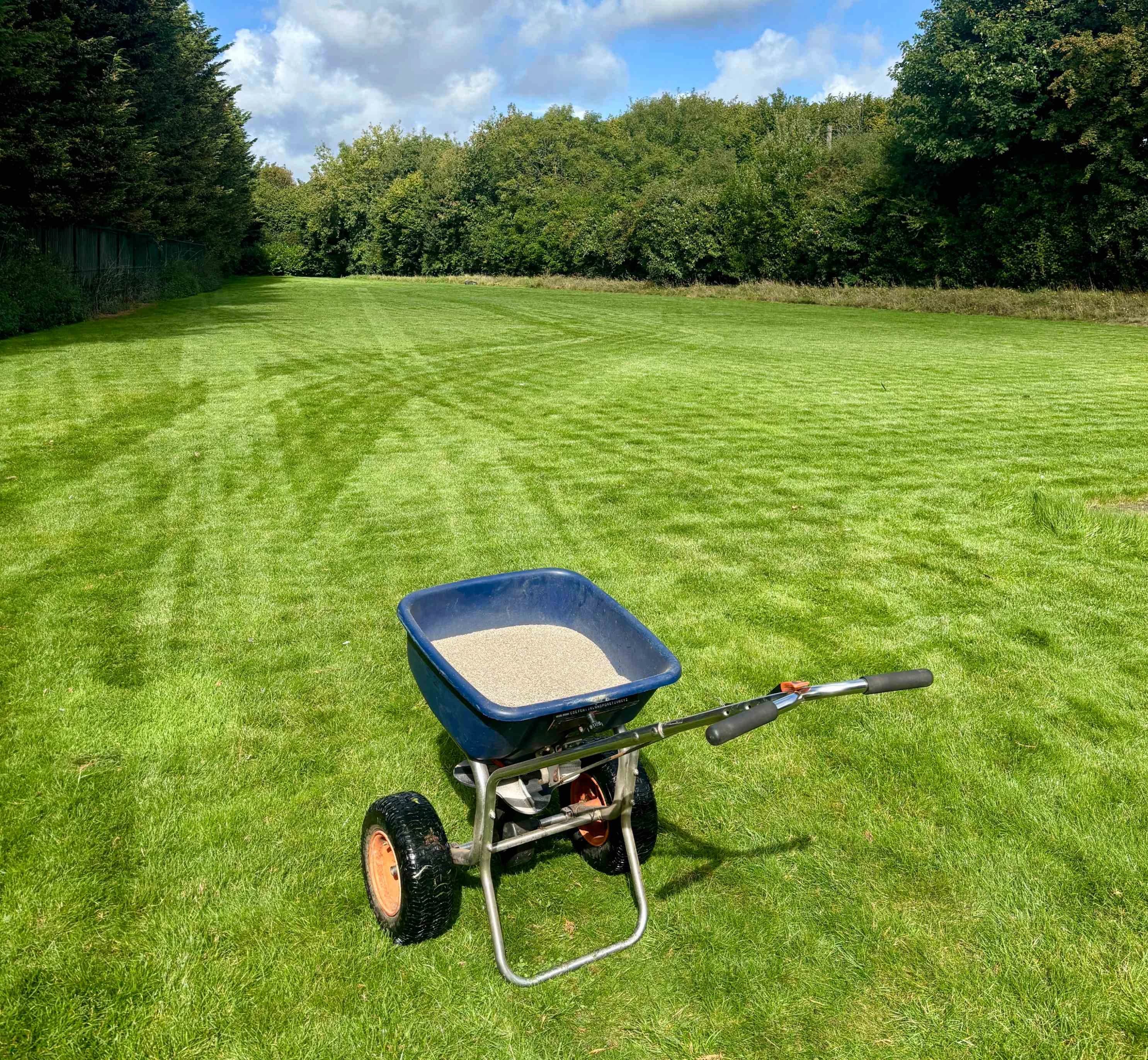
If your lawn sits on clay-heavy soil, incorporating organic matter helps break up dense particles.
Materials that help:
- Compost
- Well-rotted manure
- Soil conditioners, like that of our Soil Improver Programme
- Grit or sharp sand (never builders’ sand)
Mixing these into the top layer provides a durable clay soil drainage improvement.
E. Install Lawn Drainage Systems
For severe garden drainage problems, physical drainage systems may be required.
Types of solutions:
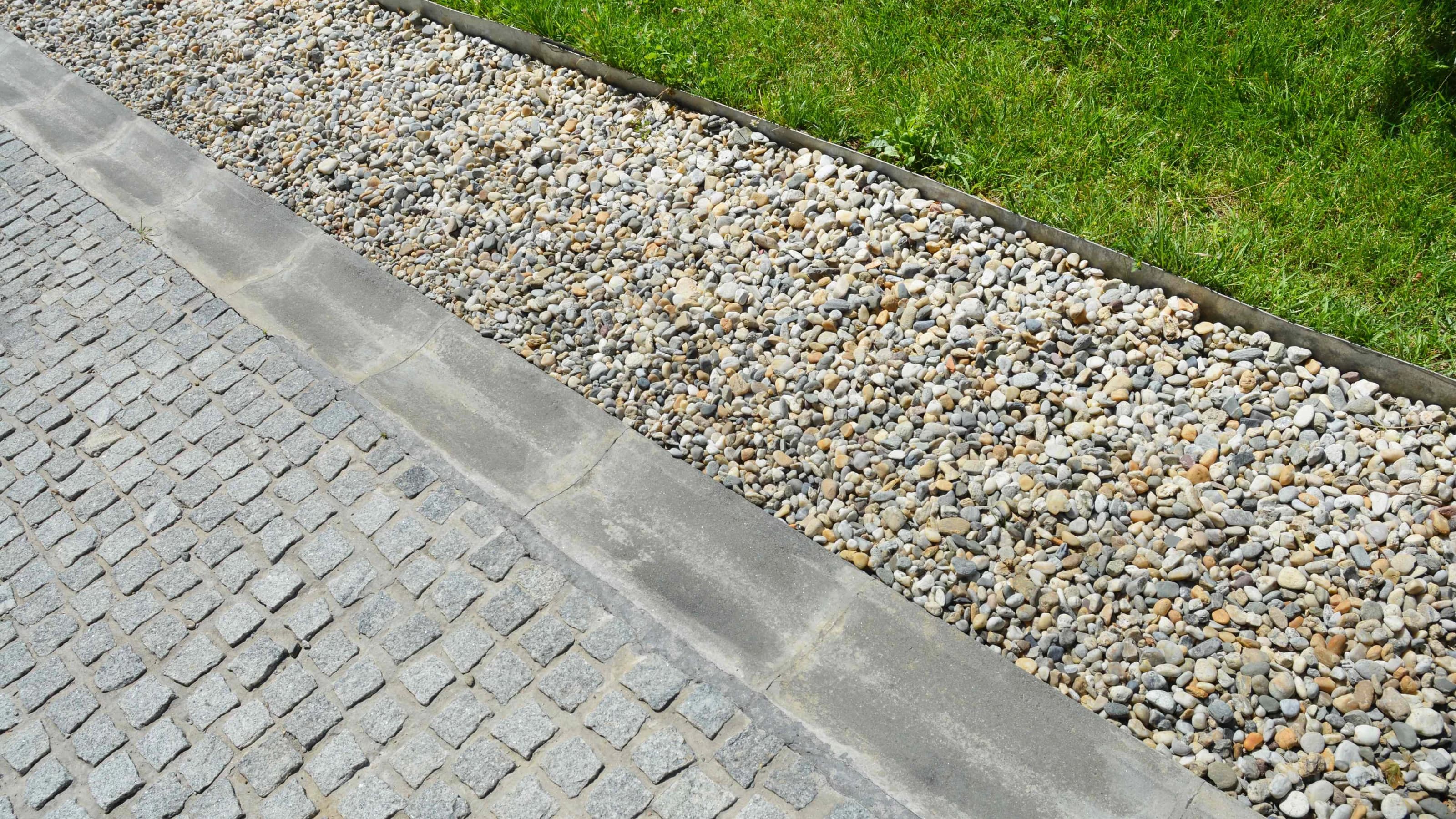
- French drain for lawn: A gravel trench with a perforated pipe that redirects water.
- Soakaways: Underground chambers designed to disperse excess water.
- Channel drains or land drains: Ideal for properties with runoff issues.
These are often the most reliable long-term fixes for persistent flooding.
5. Long-Term Prevention Tips
Once your lawn is draining properly, maintain it with these prevention habits:
- Aerate once per year
- Scarify annually to control thatch
- Improve soil quality with seasonal top dressing
- Avoid heavy foot traffic during wet months
- Clear gutters, drains, and downpipes
These simple steps keep your lawn healthy and resistant to excess moisture.
6. Conclusion
A waterlogged lawn can be frustrating, but with the right approach, you can revive your grass and prevent future drainage issues. Whether the problem is soil compaction, clay content, or poor grading, the solutions above offer proven ways to restore a healthy, flood-free lawn.
If you’re still unsure what’s causing your drainage issues or need professional guidance, reach out for a tailored assessment or explore our related lawn care guides.
Waterlogged and Drainage Issues FAQs
A waterlogged lawn is usually caused by compacted soil, clay-heavy ground, poor garden grading, thatch buildup, or blocked drains that stop water soaking into the soil. These issues prevent proper drainage, leading to surface pooling and soggy grass.
To fix a waterlogged lawn fast, start by aerating the soil to improve water flow, remove excess thatch, and apply a sand-based top dressing. For severe cases, installing a French drain or soakaway helps redirect excess water away from the lawn.
Common signs of lawn drainage issues include standing water for over 24–48 hours, mushy or sponge-like turf, moss growth, thinning grass, and water pooling near patios or foundations. These symptoms indicate the soil is not draining properly.
The best soggy lawn fix depends on the cause, but aeration, scarifying, and top dressing with sharp sand are the most effective for mild issues. For persistent flooding, a French drain, soakaway, or regrading the garden offers a long-term solution.
Yes. Clay soil drains slowly and holds onto water, which often leads to waterlogged grass. Improving clay soil drainage involves adding organic matter, aerating regularly, and top dressing with sand to open the soil structure.
Check Your Location
Check Your Location
About the author
Written by
Peter Arnold
Marketing Manager
Related Articles
Yellow Grass: Nutrient Deficiency Solutions
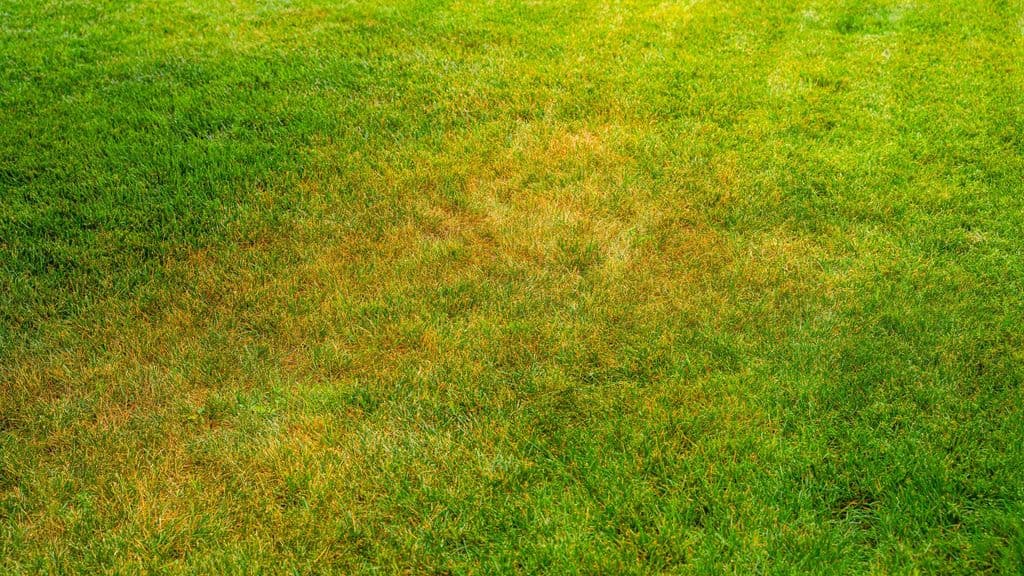
Yellowing of grass can be caused by a number of reasons, from nutrient imbalances to seasonal stress. In this guide, TopGrass will run through the causes of yellow grass and the methods of reviving your yellowing lawn.
Compacted Soil: When & How to Aerate Your Lawn
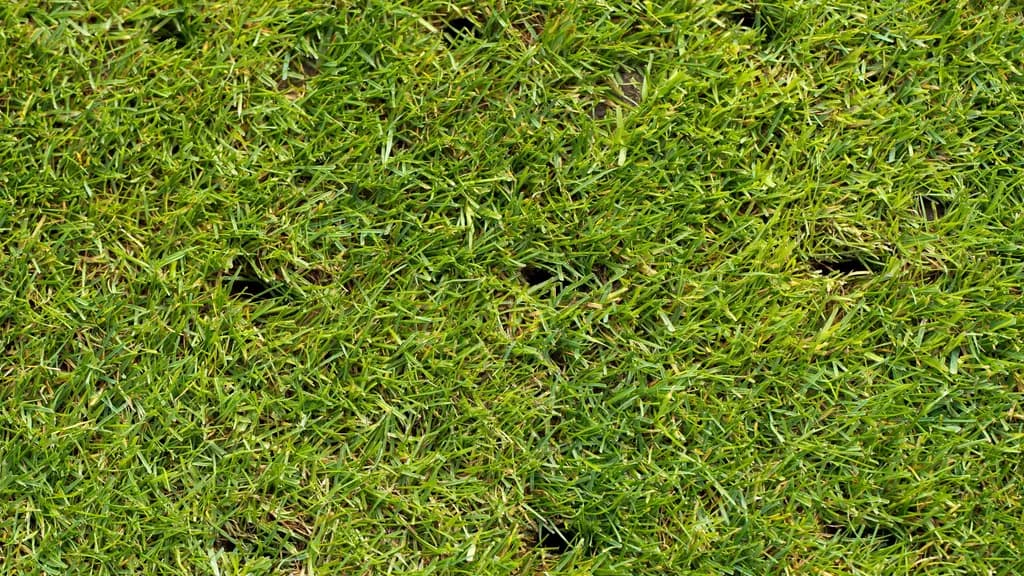
This is your TopGrass guide to compacted soil, the reasons why your soil is compacted and how to solve the issue!
Moss in Lawns: Prevention & Removal Guide
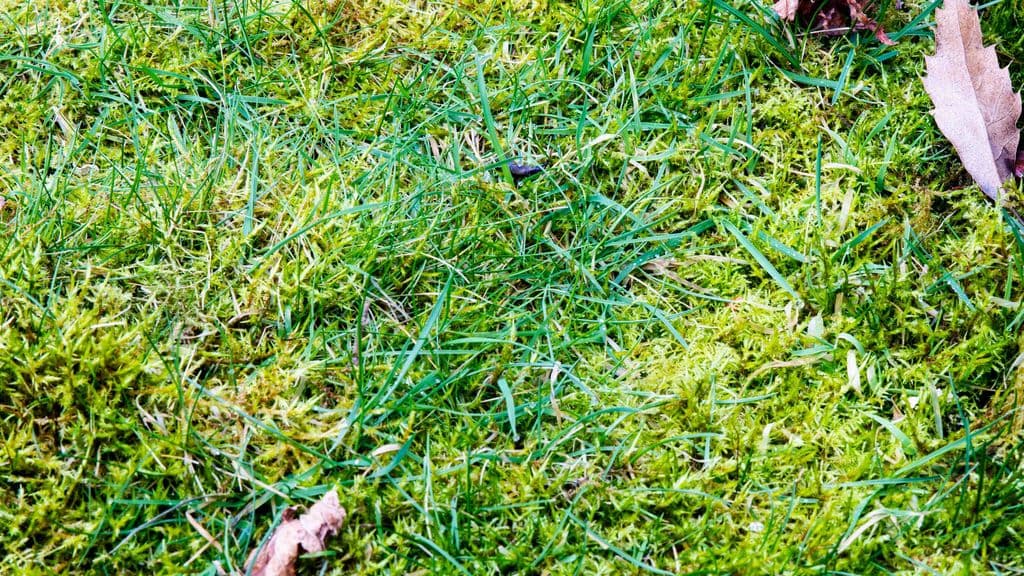
There are a variety of reasons why moss might grow in your lawn, as well as many differing methods of preventing moss and removing it. This is your TopGrass guide to how to prevent moss growth and how to take care of it if you have a moss problem in your lawn.